
Last updated November 16, 2026
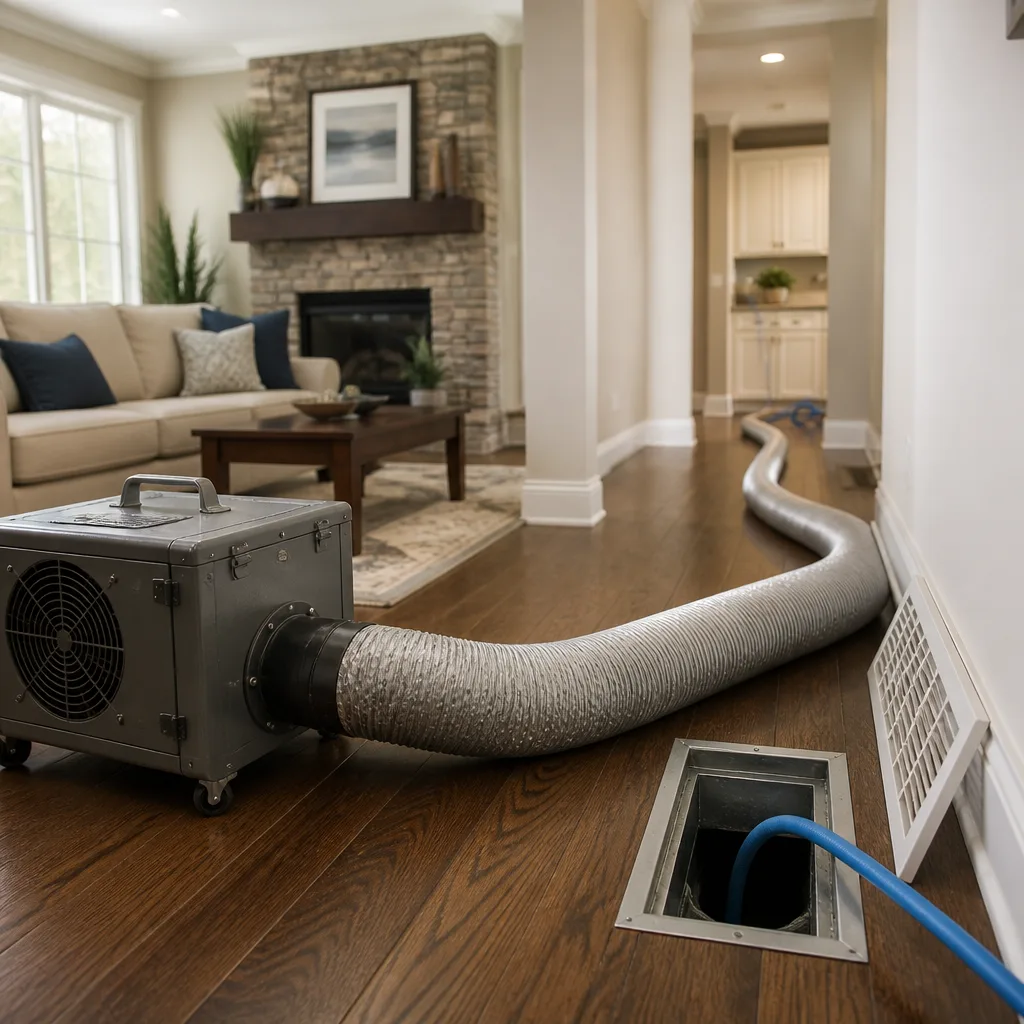 Whole-home duct cleaning
 Dryer vent cleaning
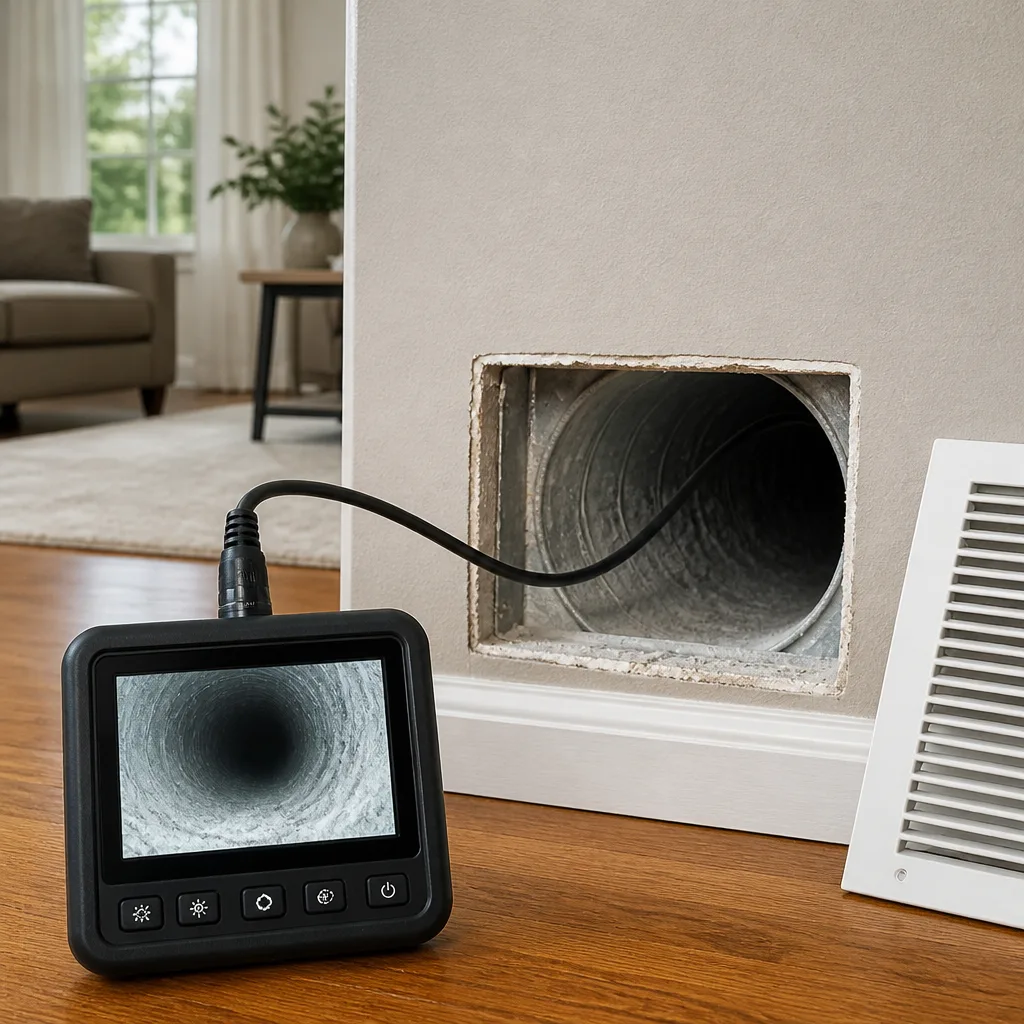 Camera inspection
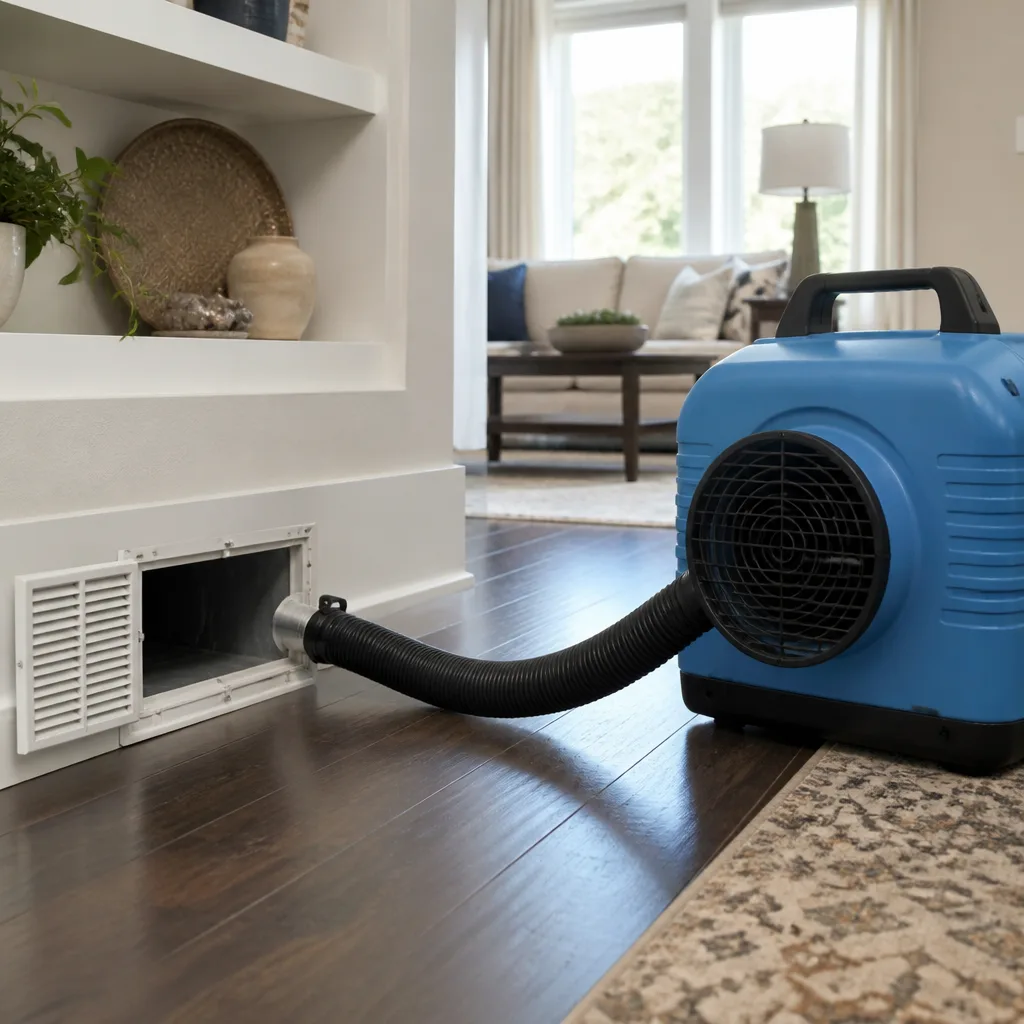 Sanitizing & deodorizing
Whole-system duct and dryer vent check with before-and-after photos - you see exactly what came out of your vents
That "$99 whole-house special" is a bait ad - the real number appears once they are in your hallway, or the "clean" is a shop-vac at the register. We photograph the inside of your ducts before and after instead.
Choosing the Right Air Duct Cleaning Brand: A Buyer’s Guide for Georgetown
When a duct cleaning contractor won’t name their equipment brand, there’s a reason: the answer would end the conversation. Ask what vacuum they run and you’ll hear “professional-grade” or “the best on the market.” Ask again and the subject changes. Equipment brand isn’t a marketing detail in this trade. It decides what is physically possible inside your ductwork, how much debris actually leaves your home, and whether the dust you can’t see stays put or gets pushed into the air you breathe. In this guide we explain what Rotobrush, Nikro and Abatement Technologies systems are engineered to do, what to ask a contractor before you book them, and how to cross-check any equipment claim against the training it requires. Georgetown homeowners deserve that level of clarity before anyone touches their system.
Quick Answer
The right air duct cleaning brand in Georgetown is the one that names its equipment, explains how debris is contained during the job, and can put its cleaning protocol in writing. Ask three questions: what rotary-brush system they run, what vacuum capacity it feeds into, and what containment they use to keep dust out of your living space. If a contractor can’t answer all three, book someone who can.
Styles & brands we work with
- Whole-home duct cleaning
- Dryer vent cleaning
- Camera inspection
- Sanitizing & deodorizing
Table of Contents
- Why equipment brand matters more than the coupon price
- What Rotobrush rotary-brush systems actually do
- Nikro vacuum systems and why CFM ratings matter
- Abatement Technologies and negative-air containment
- What “HEPA-filtered” really means on a truck versus a portable
- How to cross-reference equipment claims against training
- Why duct repair capability changes the cleaning conversation
- Dryer vents: the fire-safety question on the same visit
Why Equipment Brand Matters More Than the Coupon Price
Duct cleaning is one of the few home services where the tool determines the result more than anything else. A shop vac and a spinning brush attached to a drill can dislodge surface dust, but it cannot capture the fine particulate that settles into joints, plenum connections and return trunks over years. The moment you agitate that material, it has to go somewhere. Without real vacuum pressure behind the brush, it goes into your air.
That’s the whole argument for professional equipment in one paragraph. The brands that show up in this trade are not interchangeable with consumer vacuums. Rotobrush is built around contact cleaning synchronized with extraction. Nikro is built around capture capacity measured in cubic feet per minute. Abatement Technologies is built around containment through negative air pressure. Each one solves a different part of the same problem, and a contractor serious about the job will usually run all three together.
In our experience, the cheapest estimate in any market tends to come from an operator who can’t name a single one of these systems. That’s not a coincidence. Equipment purchase, maintenance and operator training are the real costs in this trade, and cutting them is how a low bid is built. If you’re comparing quotes in Georgetown and one is dramatically below the field, ask what equipment the operator plans to run before you ask anything else.
Key Takeaways
- Equipment determines what’s physically possible inside the duct, not just how fast the job goes.
- Rotobrush, Nikro and Abatement Technologies solve different parts of the cleaning problem: agitation, capture and containment.
- A contractor who won’t name a system is telling you something.
What Rotobrush Rotary-Brush Systems Actually Do
A Rotobrush system works by combining two actions that most competitors separate: it agitates the inside of the duct with a rotating brush while the same head unit pulls the loosened material into a HEPA-filtered collection container. The brush contacts the duct wall, the vacuum captures what the brush detaches, and neither action pauses while the other runs. The result is extraction at the exact point of agitation.
That synchronization matters more than it sounds. When brush and vacuum are separate machines run by one operator, there’s a lag between loosening and capturing. In that gap, fine particulate escapes into the room and can be re-introduced into the system downstream. Rotobrush designs that gap out of the process.
The system is also what makes responsible work possible on the variety of duct materials found in Central Texas homes. Flexible insulated runs, sheet metal trunks, transitions at the air handler: each needs different contact pressure and a different brush head. Rotobrush offers interchangeable whips and brushes for exactly that reason. A single universal brush either fails to clean flexible duct properly or damages it by pressing too hard. If a contractor claims to clean both rigid and flexible duct with one tool, that’s worth a follow-up question.
Questions to ask about the rotary-brush system
- Which brush heads do you carry for flexible versus rigid duct?
- Is the vacuum integrated with the brush, or a separate unit?
- Do you inspect the duct interior before and after?
- Do you photograph what comes out?
We run Rotobrush because it’s the system our technicians can be trained on properly, and because the tool gets at what actually lives on the duct wall rather than just the surface dust. Our air duct cleaning page explains the step-by-step protocol we follow for every job.
Nikro Vacuum Systems and Why CFM Ratings Matter
Nikro Industries builds the vacuum and collection equipment that sits behind the cleaning head. CFM, cubic feet per minute, is the measurement to know. It describes how much air the vacuum can keep moving through the system while the brush is running. Higher CFM means the vacuum doesn’t lose capture capacity the moment the brush starts agitating.
This is where a portable unit and a contractor-grade system separate. A typical portable duct cleaning unit pulls a few hundred CFM at best, and that number drops as filters load. A Nikro system holds up under sustained work and feeds into a collection container designed for volume. If you’re comparing contractors, ask for the CFM rating on the vacuum they plan to use. Most can’t tell you. The ones who can are usually the ones with the right equipment.
In practice, the CFM number also determines how much of the duct gets cleaned. Flexible duct runs lose contact with the cleaning head around bends and sag points, and the vacuum has to carry the load in those sections. A high-CFM system compensates. A low-CFM portable unit usually doesn’t, which is one reason some crews only clean the main trunk and skip the branches.
- Ask directly: “What CFM does your vacuum system run?” If the answer is a number, they’ve done the homework.
- Ask about filters: HEPA elements have to be replaced on a maintenance schedule to keep capture capacity from degrading.
- Ask about collection volume: A collection container too small for the job means the debris gets emptied and stirred up mid-service.
Nikro equipment handles that volume correctly. If you want to understand what a whole-system cleaning involves on a Georgetown home, our Duct Cleaning Georgetown overview walks through it.
Abatement Technologies and Negative-Air Containment
Abatement Technologies equipment shows up in mold remediation, post-fire work and hospital-grade filtration contexts, not casual residential cleaning. That’s the first signal. A contractor running Abatement gear has been trained on jobs where cross-contamination is a liability, and that training tends to travel with the operator into routine duct work.
What the equipment does: it maintains negative air pressure in the work zone. Air flows toward the equipment, not out of it. When a dust cloud is created inside a duct, it gets pulled into a HEPA filter rather than pushed into the living room. This matters most on jobs where the ducts have visible growth, rodent activity, or renovation dust sitting inside them. Those are the scenarios where aggressive cleaning can create a real air quality problem without proper containment.
For allergy-sensitive households in Georgetown, containment is often the difference between a pleasant result and a week of post-cleaning discomfort. The cleaned duct doesn’t produce a reaction. The airborne dust stirred during cleaning can. Negative air filtration removes that variable.
Look for these containment markers
- An air filtration or negative-pressure unit visible and running during service.
- Floor protection and corner sealing at the registers being worked.
- Pre-cleaning photographs of suspected problem areas.
- Access openings sealed properly when the job is finished, not left uncovered.
Abatement gear is expensive and operationally demanding. A contractor who invests in it is generally serious about the work. If a bid is significantly lower than the field and doesn’t mention containment, that’s the equipment gap that explains the price difference.
What “HEPA-Filtered” Really Means on a Truck Versus a Portable Unit
HEPA is a filtration standard, not a machine. Any filter meeting the rating captures particles at that size regardless of how big the vacuum is behind it. What differs is where the filtration happens and how much air volume it can process at once.
A truck-mounted system puts the collection and filtration in a truck outside the home, connected to the cleaning head by a long hose. Filtration happens at scale, and there’s less equipment noise and disruption inside. A portable system keeps everything indoors, which is fine if the HEPA filter is properly rated and the CFM is adequate. The risk with portable units is that “HEPA” sometimes means only the final filter stage, while air leaks around the pre-filter and collection housing and dumps fine dust back into the room before it gets to the HEPA element. That’s not a HEPA system; that’s a HEPA sticker on a leaky unit.
For a Georgetown home with allergy-sensitive occupants, the useful question isn’t “is it HEPA?” It’s “what CFM does the system pull through the HEPA element, and is the whole housing sealed?” That’s the sequence to check.
- Ask: Is the HEPA filter final-stage only, or does the entire housing seal?
- Ask: How many stages of filtration does the system use?
- Ask: Is filtration inside the home or outside?
Nikro systems we work with hold up on all three. The point isn’t that portable units can’t work; it’s that there’s a specific way to verify whether one actually does.
How to Cross-Reference Equipment Claims Against Training
Equipment manufacturers don’t hand out certifications the way some industries do, and the specific training credentials a contractor holds are less public than they should be. What you can check is whether the claims line up internally. A contractor claiming to run Rotobrush should be able to explain how the brush-vacuum synchronization works and which brush heads fit which duct type. A contractor claiming Nikro should know their CFM rating. A contractor claiming Abatement should be able to describe negative pressure in plain language.
If any claimed brand becomes vague under follow-up questions, the claim probably isn’t real. Our technicians have up to experience and are trained on Honeywell and Aprilaire system components, which matters because whole-home air quality equipment interacts with duct cleaning in ways most duct-only operators don’t know. If your home has a powered humidifier or a media filter integrated into the HVAC cabinet, someone has to clean around and through it carefully. An operator without that familiarity will either clean the ducts and leave the components dirty, or damage a component they don’t understand.
Three specific cross-checks
- Ask what happens to a Honeywell powered humidifier during the cleaning. If the answer isn’t specific, they aren’t trained on the equipment.
- Ask how the operator handles a filter cabinet on a variable-speed air handler. Different air handlers require different handling.
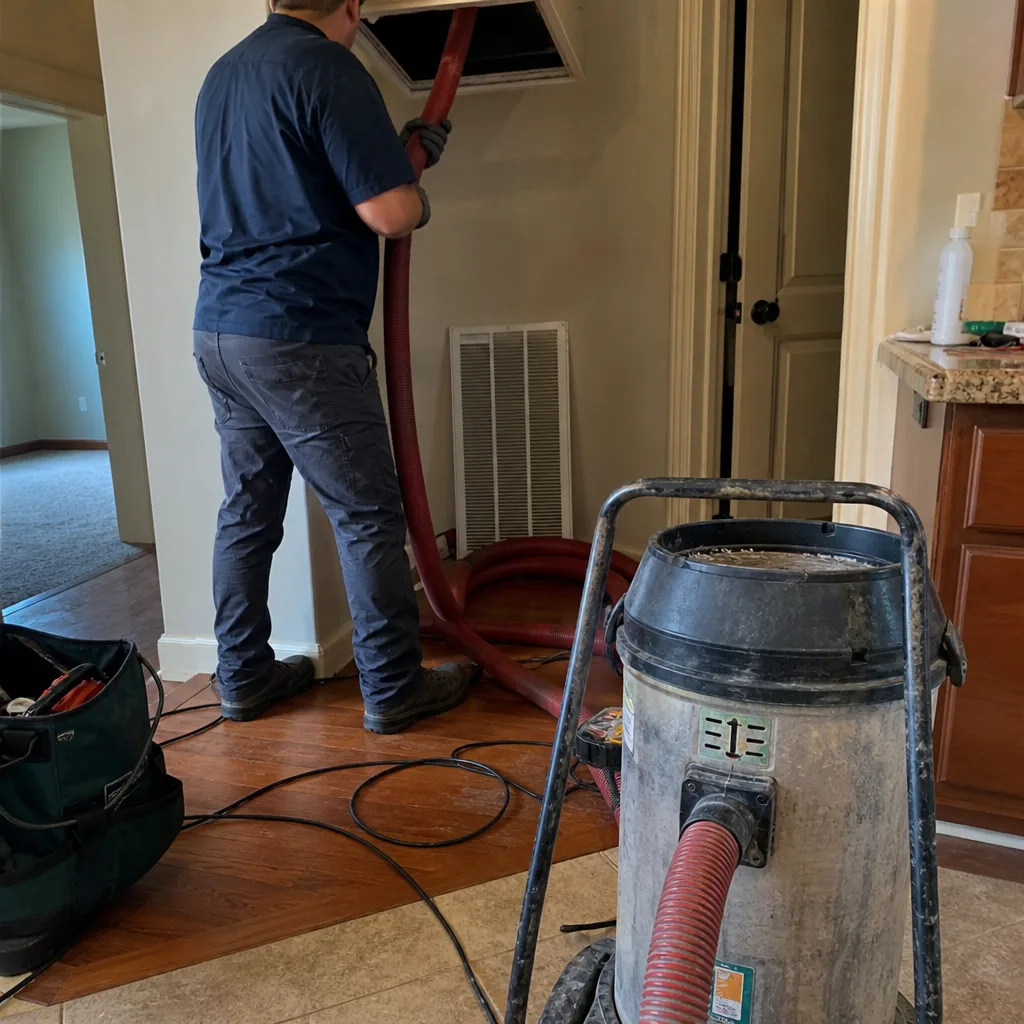
- Ask for a sample of their before-and-after documentation. Photographs of the duct interior are hard to fake and easy to verify.
None of these questions are traps. They’re the baseline of a serious operator’s vocabulary.
Why Duct Repair Capability Changes the Cleaning Conversation
Most duct cleaning companies clean ductwork; few repair it. This creates a specific blind spot in the market. A crew without repair capability will clean around a disconnection at a duct joint, a crushed flexible run, or a leaking plenum connection because fixing it isn’t in their scope. Material re-enters the system through the gap they left. The system looks cleaner for a few weeks and then returns to how it was.
We offer repair as a standalone service because the two jobs belong together. When we’re cleaning a system and find a disconnected joint at the supply trunk, we can close it. When we find a collapsed flex run restricting airflow to one room, we can replace it. That avoids you becoming your own general contractor between two trades.
Airflow restriction is often the symptom that leads to a cleaning call in the first place. Weak airflow at one register, dust on the same surfaces after cleaning, a room that stays warm regardless of HVAC settings: these point toward a duct problem as often as a dust problem. Our Georgetown location page describes how we handle both on one visit.
Dryer Vents: The Fire-Safety Question on the Same Visit
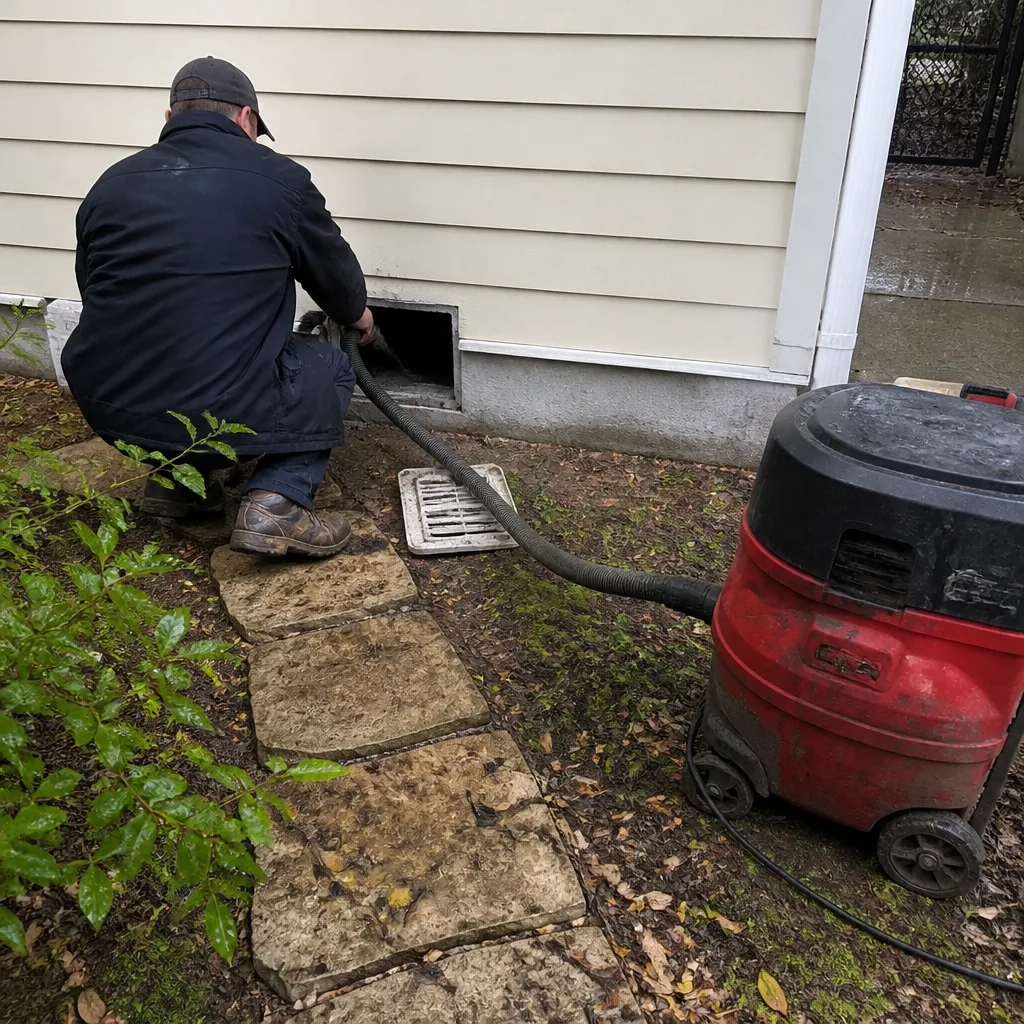
Dryer vent cleaning comes up on the same visit as duct cleaning, and it deserves the same equipment standard rather than a shop-vac-and-hope treatment. Lint accumulation in the vent line is one of the leading causes of residential structure fires, and the failure point is almost always a vent run with too many elbows and no sustained cleaning history. A rotary brush on a flexible rod, fed through the length of the vent and driven by a real vacuum system, is the right tool for the job.
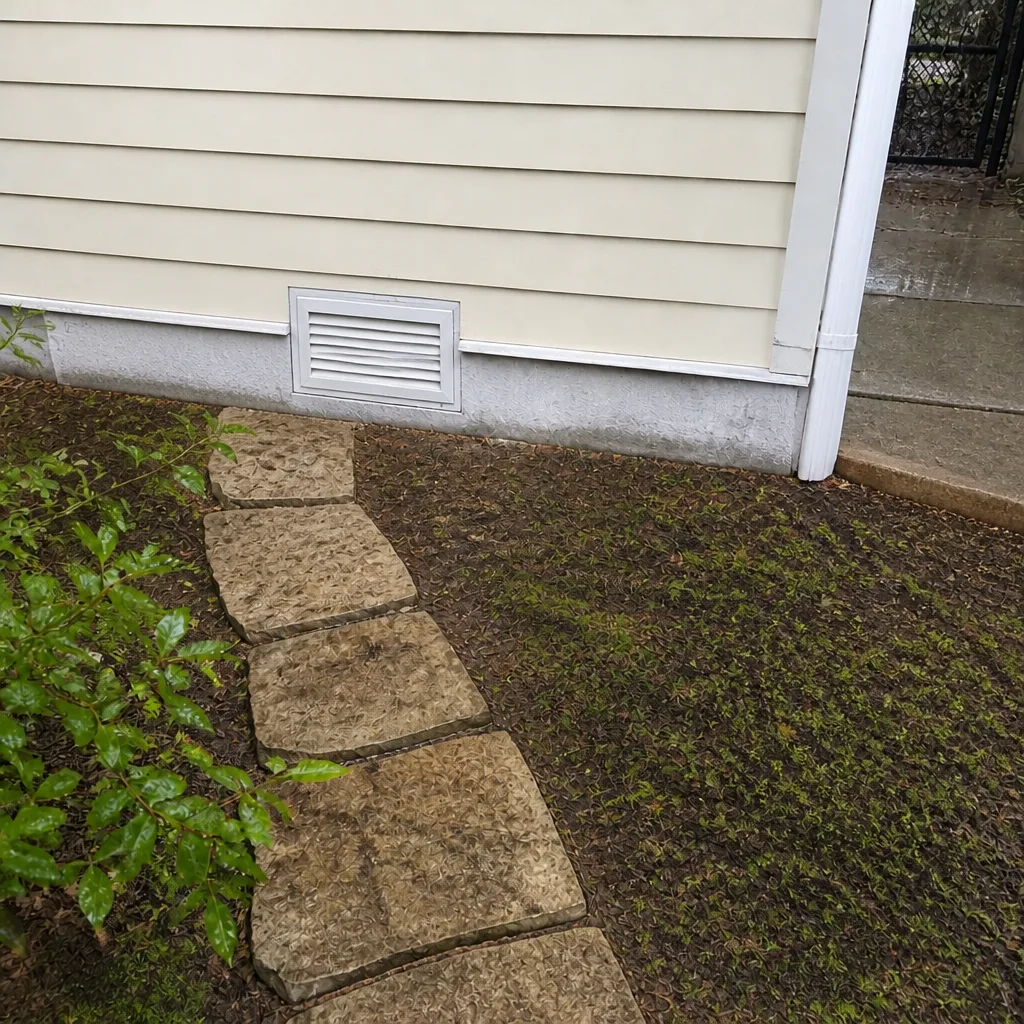
We treat dryer vent cleaning as its own dedicated service with its own protocol. The vent route is traced from the dryer connection to the exterior termination, cleaned with the appropriate tool for the vent material, and verified by looking through the exterior hood to confirm lint is gone and airflow is unobstructed. Homes with long vent runs or more than two turns in the line benefit from scheduled cleaning more often, and a contractor willing to explain the vent route to you is generally doing the work properly.
If your dryer vent terminates on a roof rather than a side wall, ask how the contractor accesses it before booking. Some operators won’t get up there, and you don’t want to find out at the start of the appointment. Our dryer vent cleaning page explains how we handle roof and wall terminations.
Common Mistakes to Avoid
- Booking on price alone. A quote that doesn’t mention equipment, containment or inspection protocol is not a quote for the same job as one that does. Compare scope before you compare dollar amount.
- Accepting “professional-grade equipment” as an answer. It’s the industry’s favorite weasel phrase. Ask for a brand, a CFM number, and a containment method in sequence. If any one is missing, ask again.
- Letting a crew clean without a pre-service inspection. Georgetown homes with flex duct or multiple HVAC zones need to have the ductwork mapped before anything is touched, or the operator is guessing at where the problems are.
- Skipping the dryer vent because “the ducts are the priority.” The dryer vent is a fire-risk checklist item, not an afterthought, and it’s one of the most commonly missed safety inspections in Central Texas homes.
- Booking a duct cleaning and a separate duct repair through two vendors. The right scope is one provider for both, so nothing gets left to the gap between them.
- Trusting a coupon price to hold. A coupon tells you what the call costs; it doesn’t tell you what the job costs. Get an itemized written scope before anyone walks in the door.
- Ignoring whether the contractor has cleaned around a Honeywell or Aprilaire component before. A whole-home humidifier or media filter in the HVAC cabinet needs to be handled properly, and an operator trained only on naked ducts can cause damage while trying to “just clean around it.”
See the difference
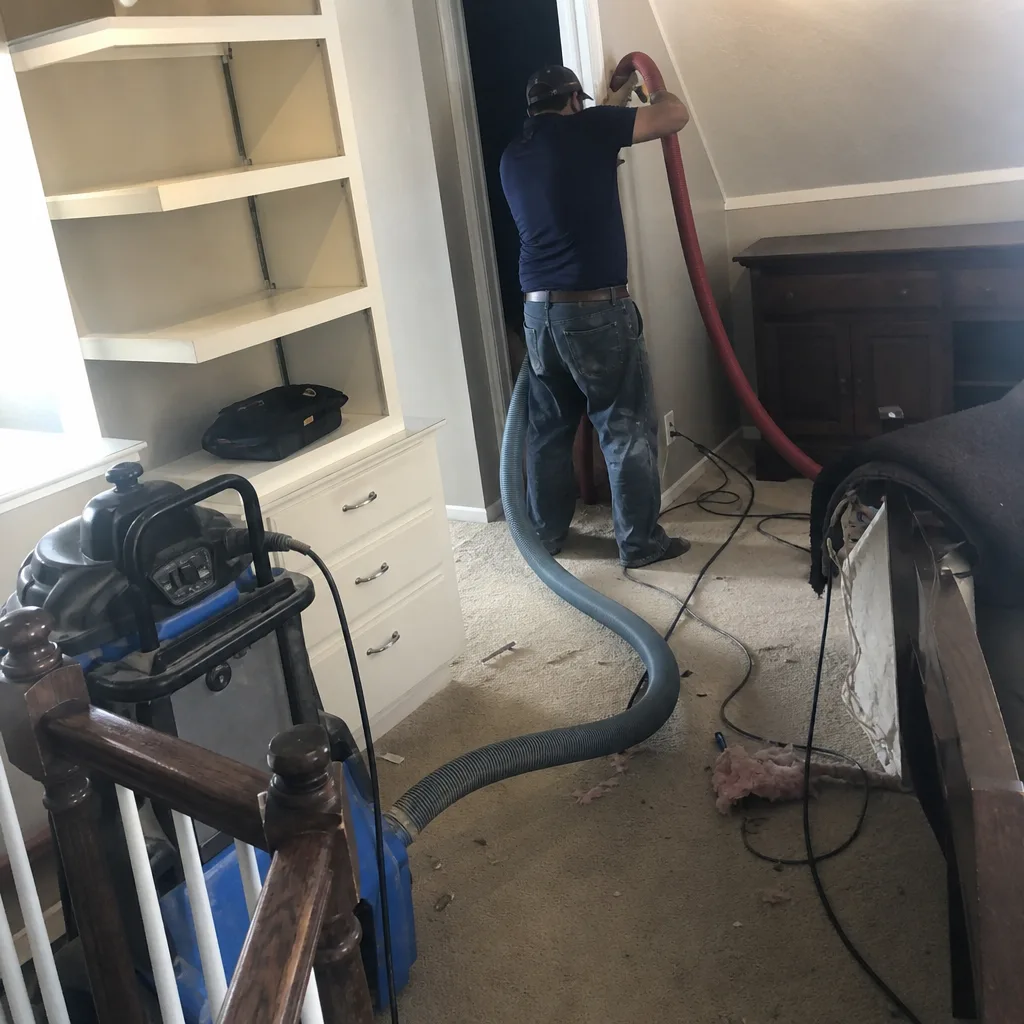 Before
 After
 Before
 After
 Before
 After
When to Call a Professional
Call a professional when the symptom you’re seeing points to a system problem rather than a filter problem. Dust on furniture within days of dusting, weak airflow at registers that used to be strong, musty smell when the HVAC starts, allergy symptoms that flare every time the system cycles, or a dry cycle on the dryer that’s getting longer each time. These are all signals a serious inspection will resolve faster than a DIY attempt. Duct Cleaning Georgetown offers free estimates in Georgetown: call (844) 560-6431. We answer 24/7, with fast dispatch from 7am to 7pm, Sunday through Friday.
Frequently Asked Questions
Air duct cleaning in Georgetown is priced per system based on the number of HVAC units, the duct configuration, and whether repair is included. We give a flat price for the whole system before any work begins, with no per-vent pricing. Call (844) 560-6431 for an exact quote; estimates are free.
The cheaper quote is usually built on smaller and less capable equipment. A company running a portable vacuum without HEPA containment, no rotary brush, and no duct repair capability can bid low because their equipment cost and training cost are low. The job still shows up on the invoice, it just doesn’t get done the same way. Ask what equipment is being used before you compare prices.
Before-and-after photographs of your own duct interior, taken by the technician, are the standard for verification. You should be shown what came out, and you should be shown the duct before the cleaning and after. If a contractor can’t provide photo documentation, that’s the answer to the question.
Most Georgetown homes benefit from cleaning every three to five years, more often if there are pets, recent renovation dust, or allergy-sensitive occupants. Homes with visible dust issues or weak airflow often discover a duct problem on the first cleaning, and repair need is more accurately judged after a documented inspection. Call (844) 560-6431 for an assessment.
Dryer vent cleaning is a separate service on the same visit, with its own protocol and its own rotary brush. We treat it as a fire-safety item rather than an add-on. If the vent run terminates on a roof, ask about access before booking.
The difference is where the filtration and collection happen, and how much CFM the system holds under load. Truck-mounted systems keep the collection and filtration outside the home and process more air per minute. Portable systems can work well, but only if the entire housing seals and the CFM rating meets the job. For allergy-sensitive Georgetown households, the CFM number and housing seal matter more than the HEPA label.
The Bottom Line
The equipment question is the whole buyer’s guide in a sentence. Rotobrush brush-vacuum systems agitate and capture in one action. Nikro vacuum capacity determines how much of that material actually leaves the duct. Abatement Technologies containment keeps the rest out of your living space. A contractor who can explain all three in specific terms is a serious operator, and a contractor who can’t isn’t. Add duct repair capability and dedicated dryer vent service to the shortlist and you have the complete picture: one accountable provider working on the system, not just the surface. Call (844) 560-6431 for a free estimate and a written scope before any work starts.
Written by the team at Duct Cleaning Georgetown.