
Last updated November 16, 2026
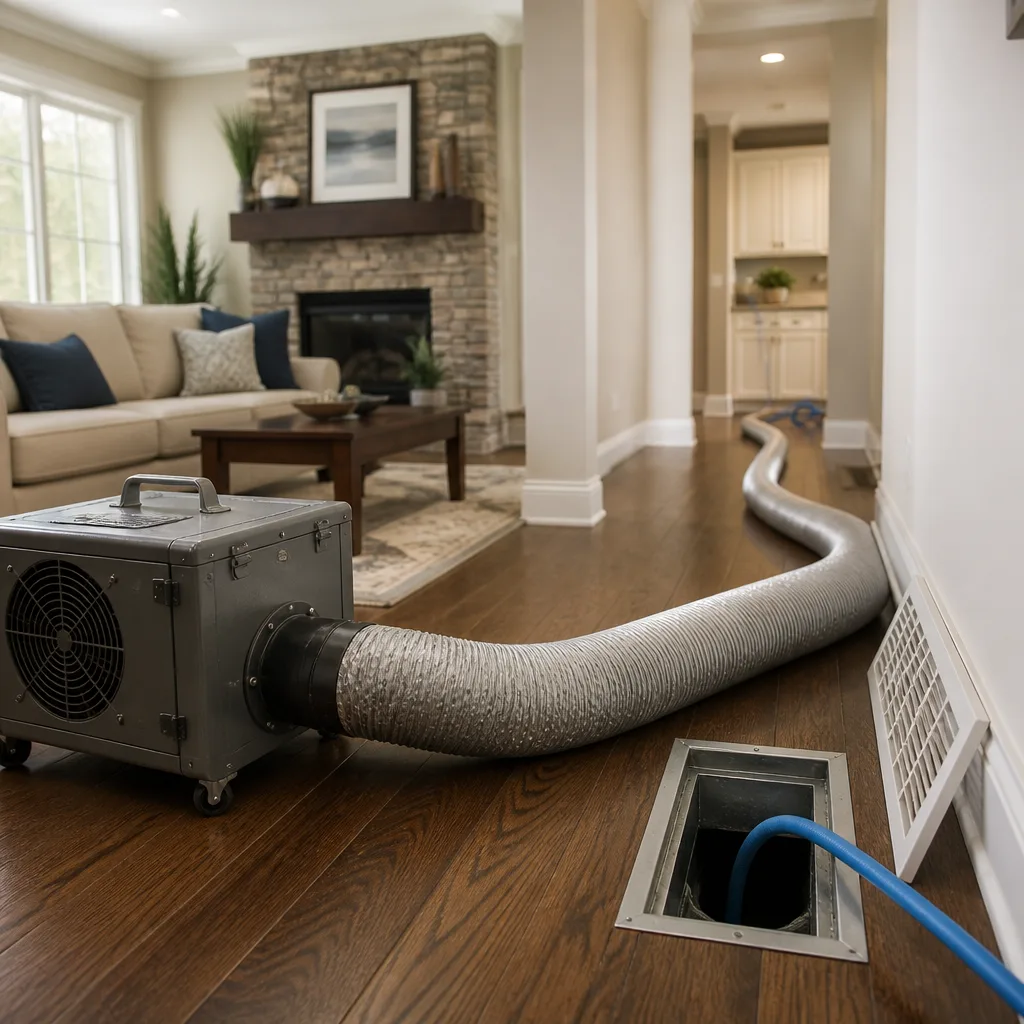 Whole-home duct cleaning
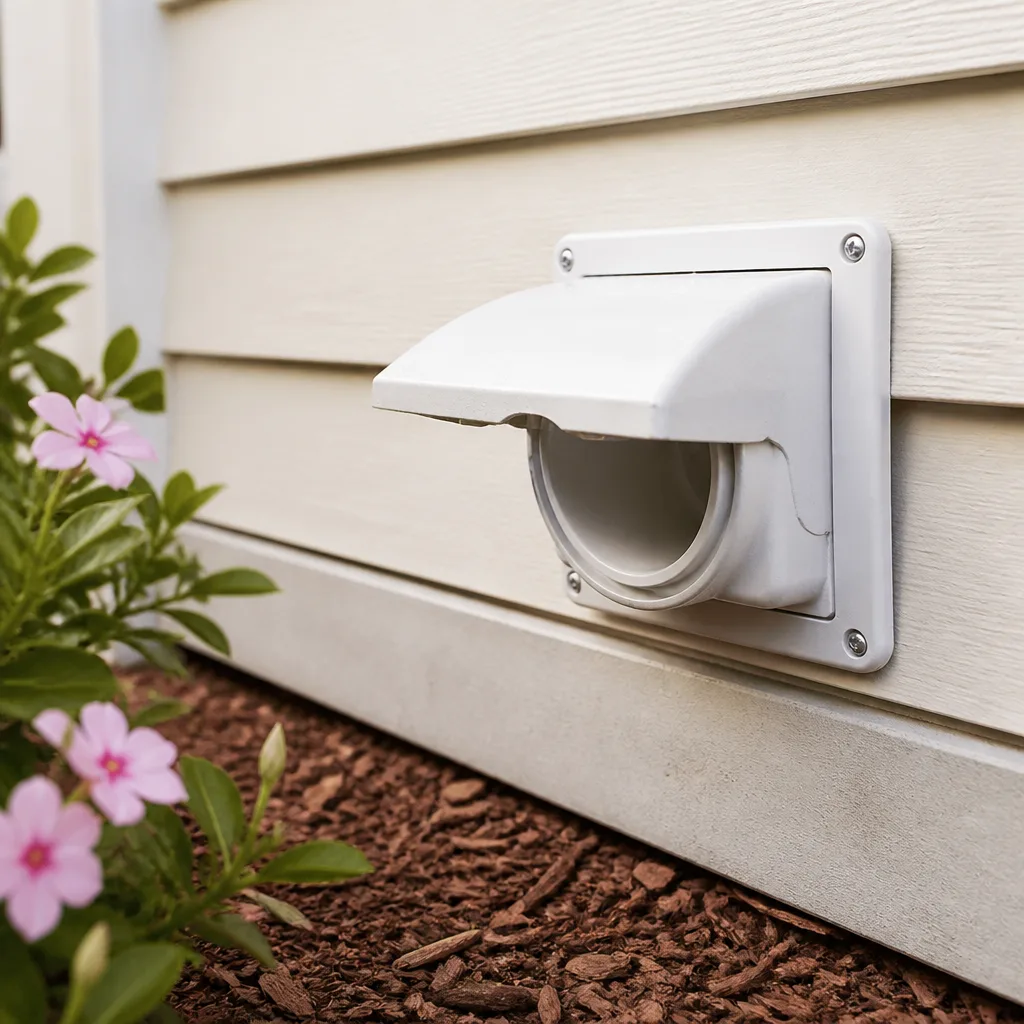 Dryer vent cleaning
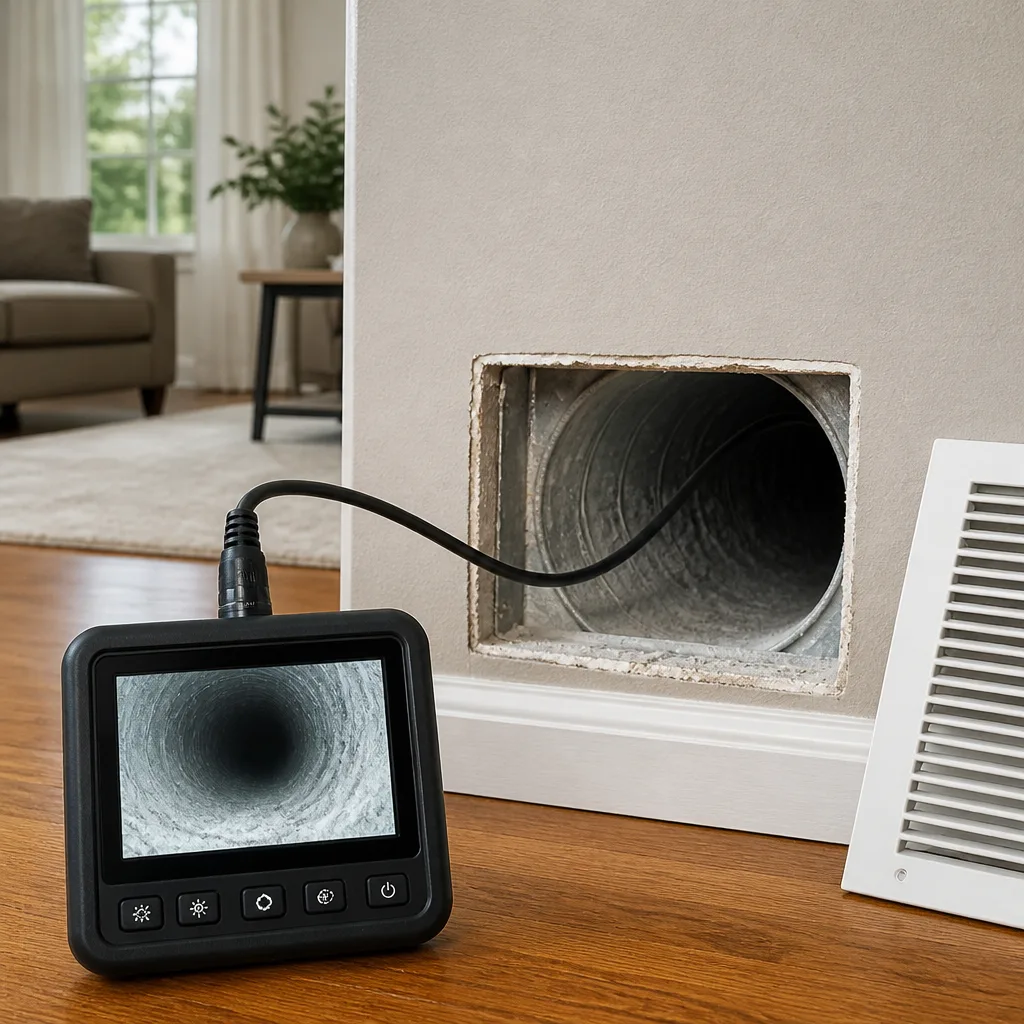 Camera inspection
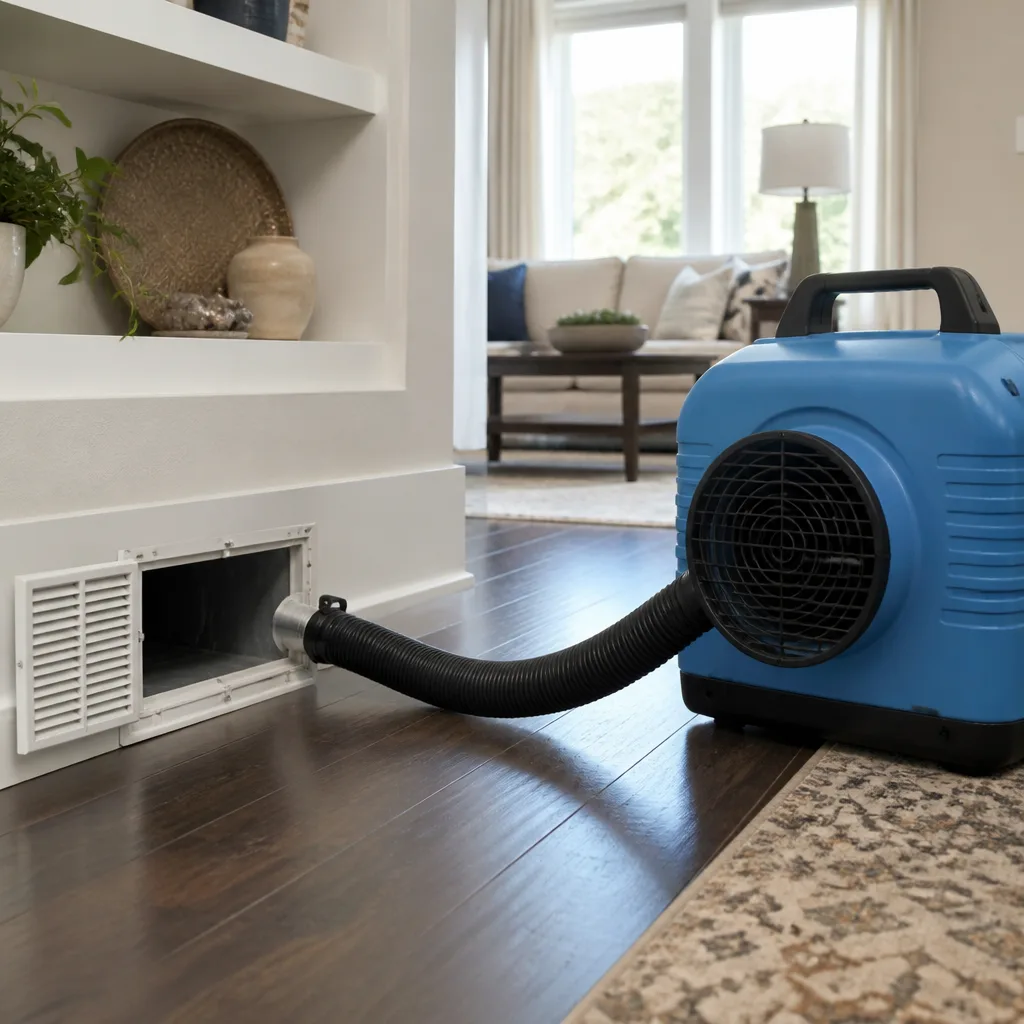 Sanitizing & deodorizing
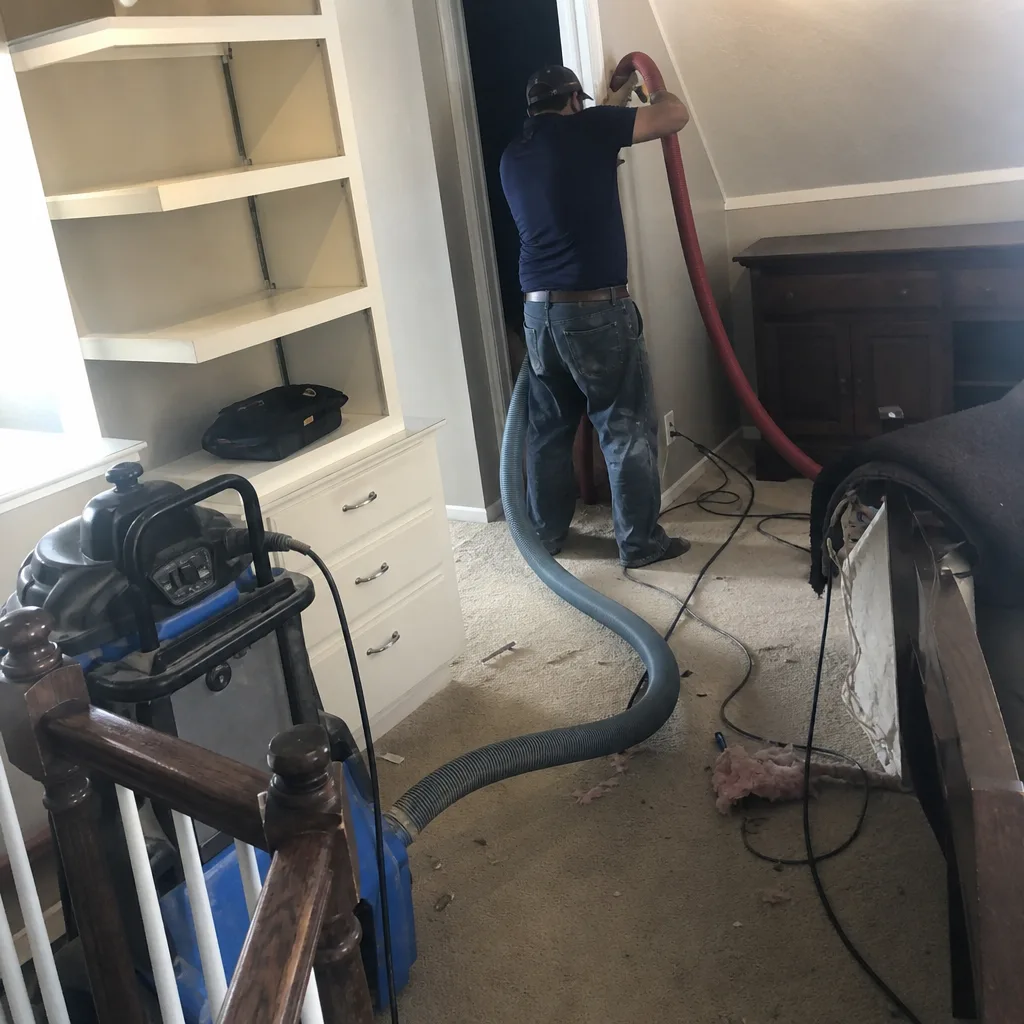
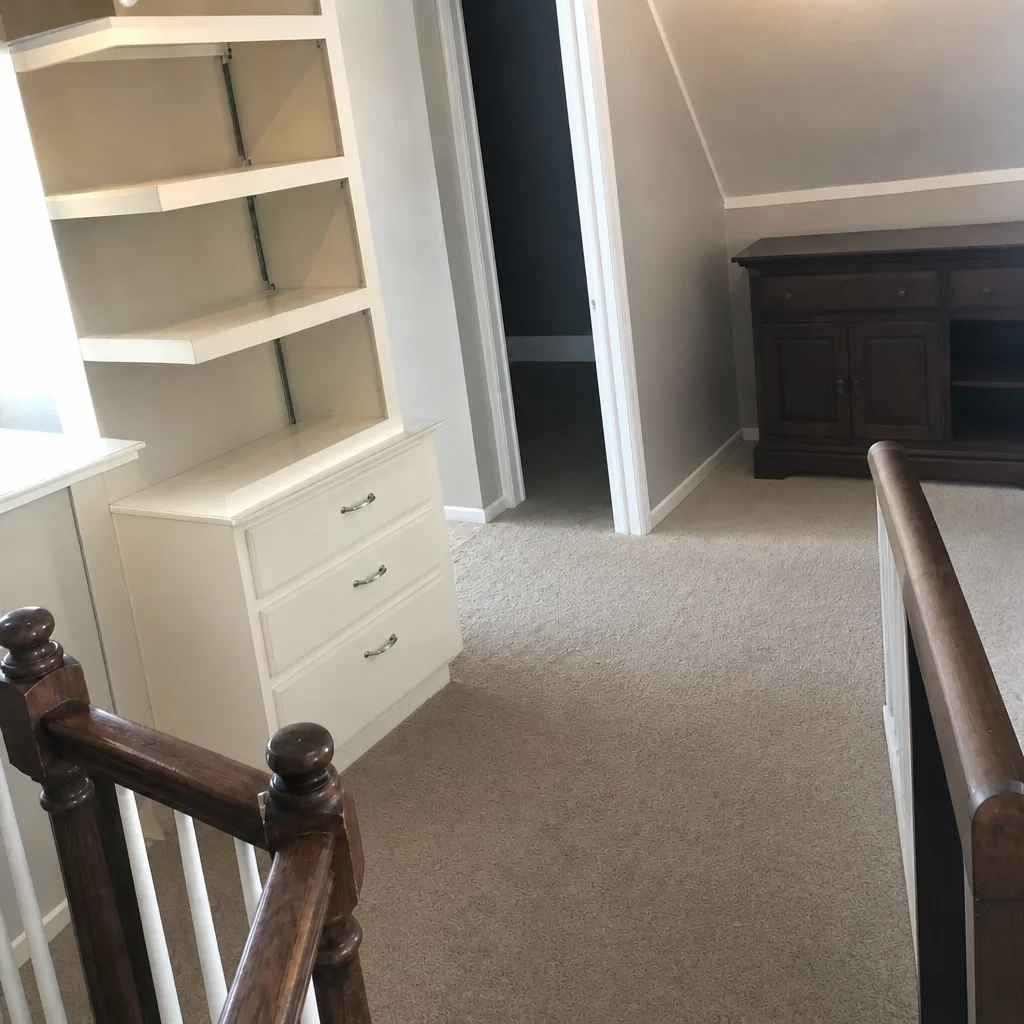
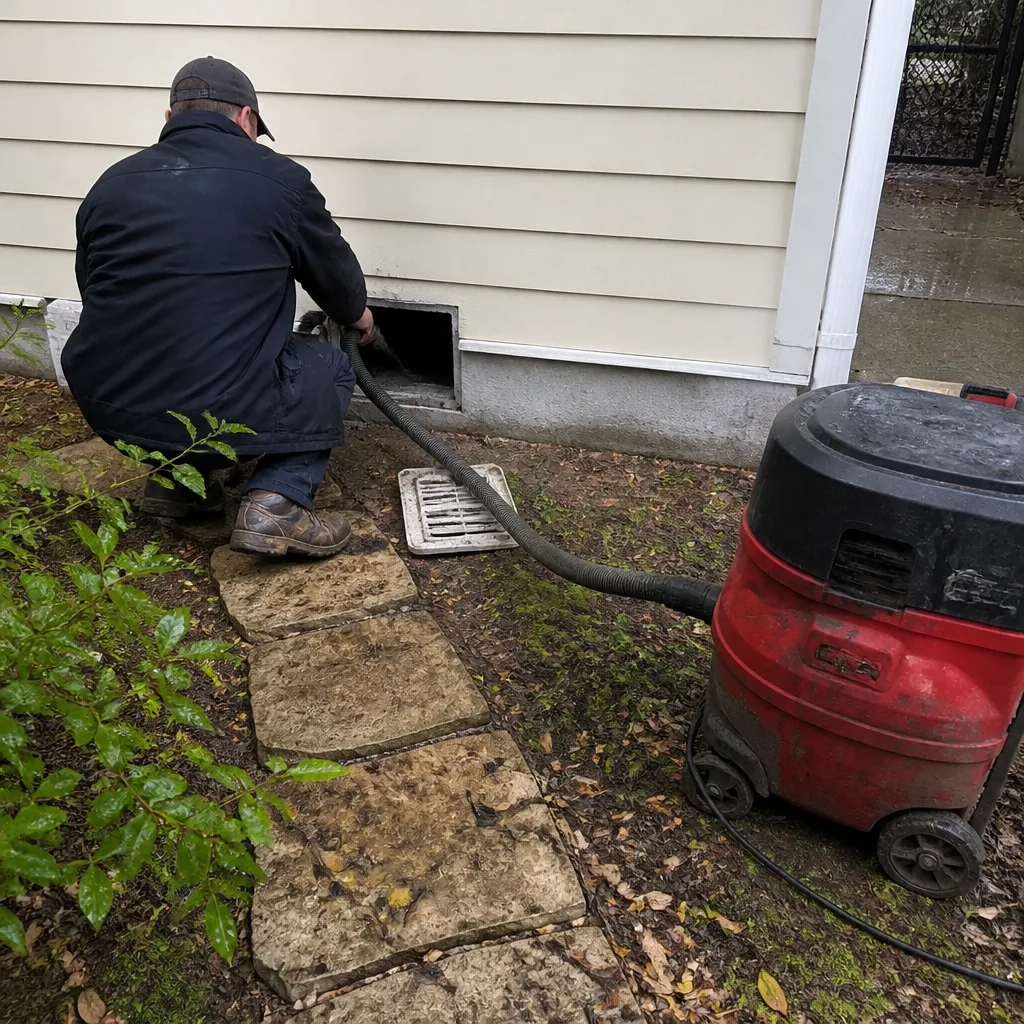
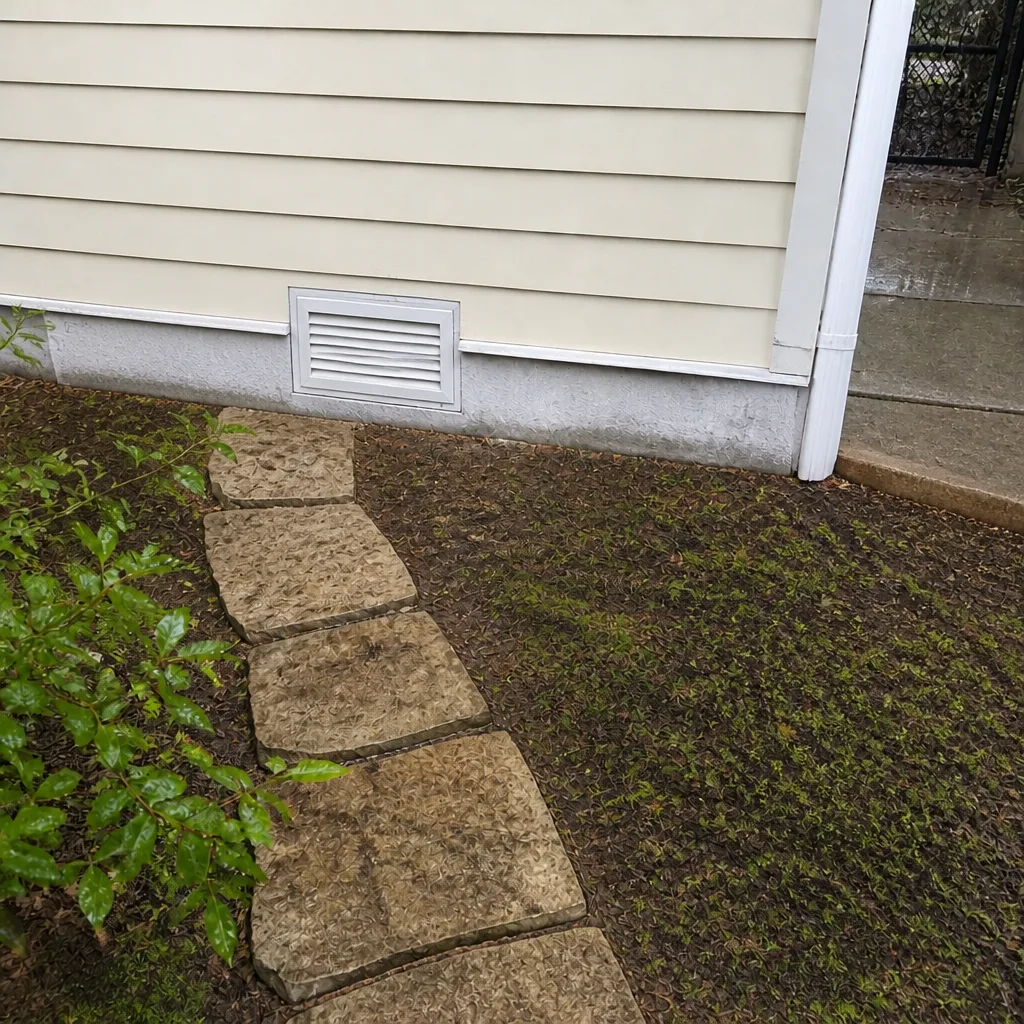
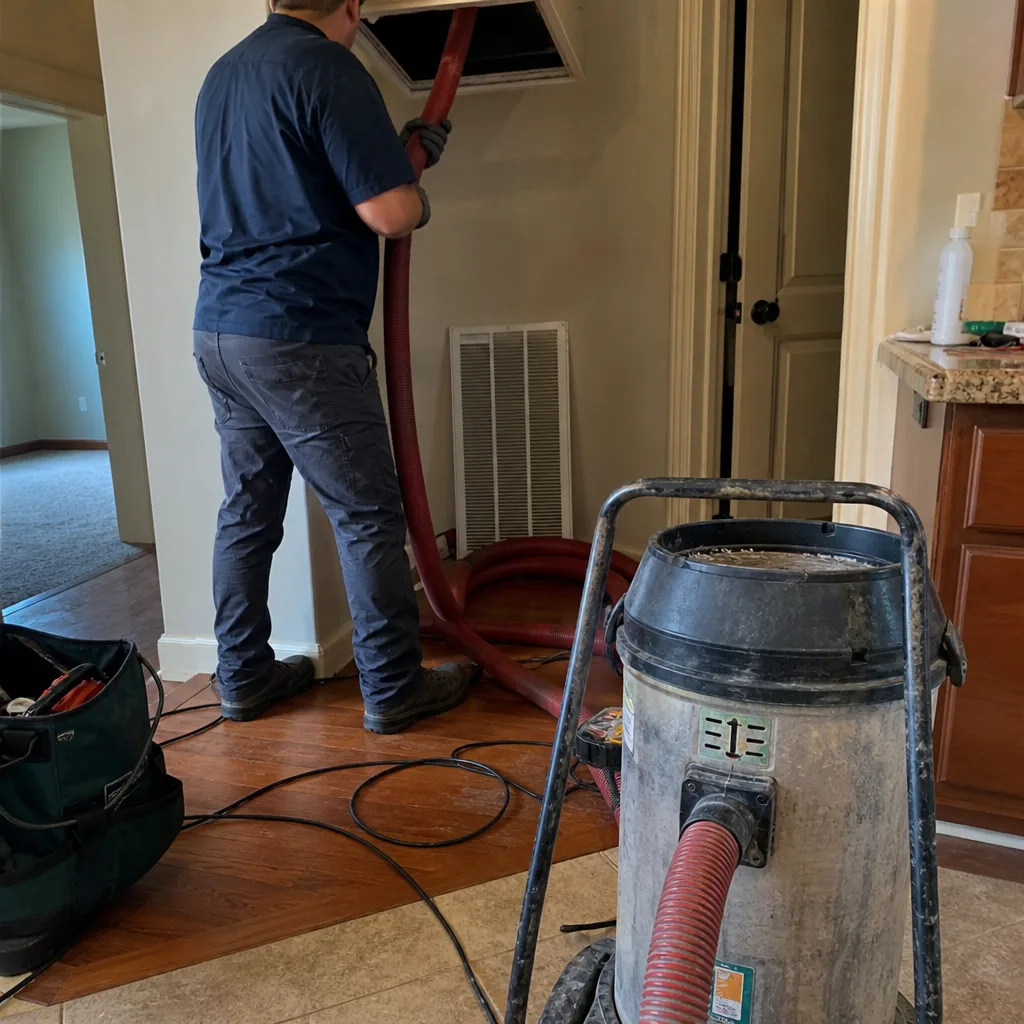
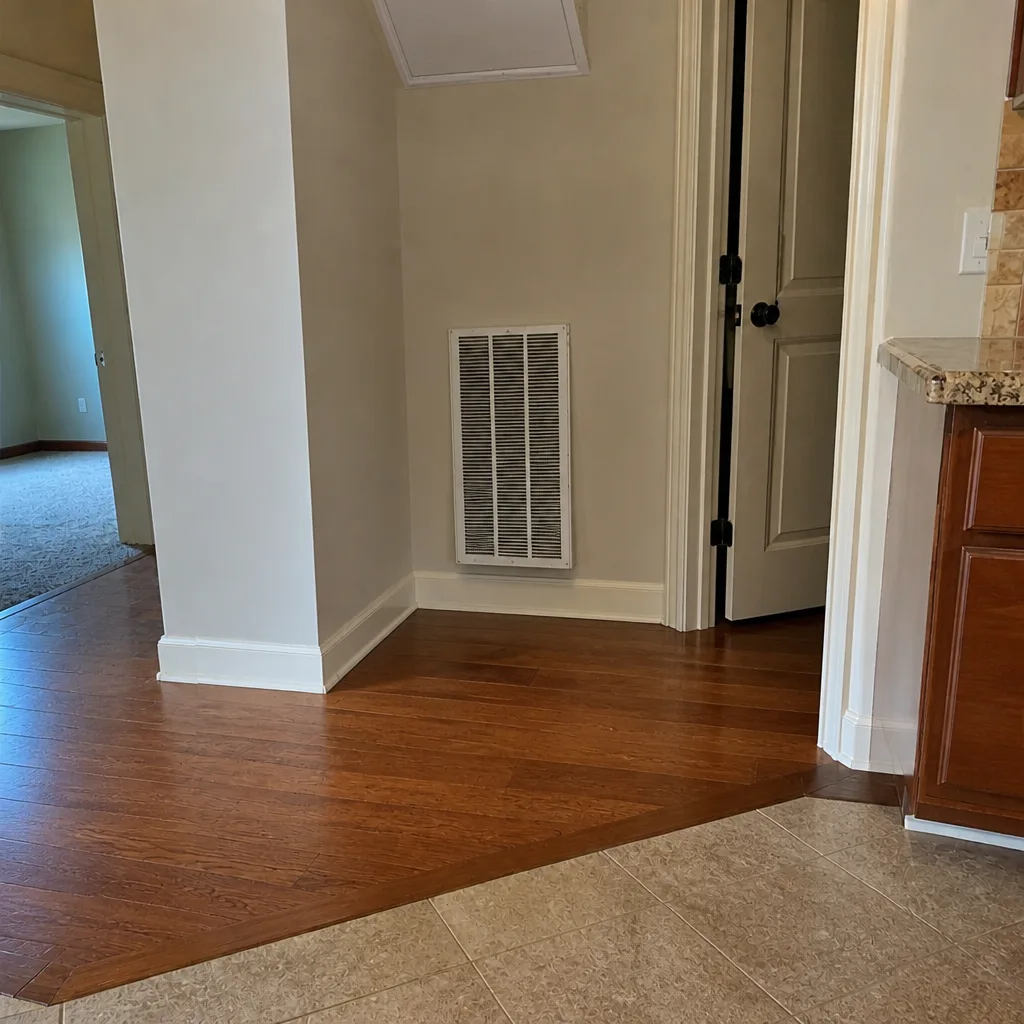
Whole-system duct and dryer vent check with before-and-after photos - you see exactly what came out of your vents
That "$99 whole-house special" is a bait ad - the real number appears once they are in your hallway, or the "clean" is a shop-vac at the register. We photograph the inside of your ducts before and after instead.
The Complete Guide to Air Duct Cleaning in Georgetown
Most homeowners in Georgetown assume their ductwork is either clean or dirty, and that a big vacuum is the whole story. In practice, the ductwork in a Georgetown house is a record of how the building was built and what the local landscape throws at it: the clay soil underneath, the cedar pollen that blankets the region every winter, and the fast pace of new construction that puts systems in before the landscaping is even finished. That record is what a proper cleaning has to address. This guide walks through how Georgetown’s specific conditions create duct contamination, what contractor-grade cleaning equipment actually accomplishes, and how to read a report that proves the work was done rather than just charged for.
Quick Answer
Air duct cleaning in Georgetown is the mechanical removal of settled dust, construction debris, and pollen from the supply and return ductwork using rotary-brush agitation and high-volume negative-air collection, followed by documented verification of airflow and cleanliness. It matters more here than in many markets because expansive clay soil stresses slab-embedded ducts, cedar season loads return trunks with allergenic particulate, and new construction leaves builder-grade flex duct carrying drywall dust and debris. A whole-system cleaning typically lands in the $350 to $800 range for a standard Georgetown home, with the written estimate setting the final price.
Styles & brands we work with
- Whole-home duct cleaning
- Dryer vent cleaning
- Camera inspection
- Sanitizing & deodorizing
Table of Contents
- Why Georgetown Ductwork Gets Dirty Differently
- How Georgetown’s Clay Soil Affects Your Ducts
- Cedar Fever Season and Your Return Plenum
- What Negative-Air Equipment Does That a Shop Vac Can’t
- New Construction: Clean Before You Move In
- What Does Air Duct Cleaning Cost in Georgetown?
- How to Read a Post-Cleaning Report
- Common Mistakes to Avoid
- When to Call a Professional
- Frequently Asked Questions
Why Georgetown Ductwork Gets Dirty Differently
Georgetown sits on a landscape that changes faster than most of its residents realize. The city permitted more than 4,000 new residential units in a recent three-year span, and in that same period the soil underneath many of those neighborhoods kept doing what blackland and expansive clay does when its moisture content shifts: heave, settle, and stress everything tied to a foundation. Between the construction dust and the soil movement, duct systems in Georgetown accumulate contamination along two channels at once, particulate that gets pulled in from outside and structural gaps that open up and let more in.
That’s before you add the cedar pollen cycle, which is the third and most visible contributor. Cedar pollen in this part of Central Texas runs through December, January and February, and the particulate that doesn’t settle to the ground gets pulled into return air systems during the many hours homes run their heat. What ends up in the ducts stays there long after the pollen season ends.
People call Georgetown duct specialists about this for a reason. The complaint is usually one of four things:
- Airflow that feels weak in the rooms furthest from the air handler
- Dust returning on furniture a day or two after cleaning
- Energy bills creeping up without a rate change
- Allergy or asthma symptoms that flare in the house but not outside
Each of those complaints points at a different layer of the problem. A weak bedroom supply could be a crushed flex run behind drywall. Persistent dust often traces to return-side leaks pulling air from an attic or garage. Rising bills point to restricted airflow across the coil. And flaring symptoms can trace to residual pollen and dust within the trunk lines themselves. Cleaning alone only solves part of that. Repair, when it’s needed, closes the gap. Our technicians work on all three services (cleaning, dryer vent, and duct repair) precisely because those problems don’t sort themselves out one at a time.
How Georgetown’s Clay Soil Affects Your Ducts
Expansive clay soil moves. When it dries, it shrinks and pulls away from the foundation. When it rehydrates, it swells and pushes up. That cycle is normal in this region and it’s not something a homeowner can stop, but its effect on ductwork is direct and often invisible: slab-embedded ducts crack at the joints, flex connections to floor registers shift out of place, and the seam where the trunk transitions into the slab loosens. Each of those openings becomes an entry point for soil gas, ground-level dust, and unconditioned air.
What you notice inside the house is rarely “the slab moved.” What you notice is dust settling on baseboards, a musty smell in the hallway, or a bedroom that never quite gets enough airflow. We’ve seen plenty of Georgetown homes where the HVAC equipment was functioning perfectly and the actual problem was a disconnected run thirty inches under the slab.
Signs the Soil Has Moved Under Your Ductwork
- New cracks in tile grout or drywall corners that appear seasonally
- Dust patterns at specific floor registers, especially the lowest ones
- Uneven airflow from one room to the next
- A persistent earthy or musty smell near specific registers
- Doors that stick or gaps that open and close over the year
Those are general indicators, not a diagnosis. Confirming a duct break means getting into the system and looking, which is why duct inspection belongs in the same visit as the cleaning. On a proper service call, we pressure-test suspect runs and use a camera where the geometry allows, then close any leaks with code-appropriate materials. That’s the “air duct repair” half of our service lineup, and it’s work that duct-cleaning-only operators typically pass along to someone else.
For Cedar Park, Round Rock, and Leander homes with different soil profiles, the same cleaning principles apply with different stress patterns; the air duct cleaning process is the constant.
Cedar Fever Season and Your Return Plenum
From roughly December through February, Central Texas gets blanketed in cedar pollen, and Georgetown sits square in it. The pollen load in the air can be heavy enough to tint windshields yellow after a dry week. What people don’t always connect is how much of that particulate goes into their return ducting during the same months. A house running its heat pulls a large volume of indoor air back through the return every hour, and every cubic foot of that air carries whatever is suspended in the room.
Standard furnace filters catch a meaningful share of it, but the filter’s job is only to protect the equipment. The duct surfaces behind it accumulate everything the filter misses. Over several cedar seasons, return trunks and the negative-pressure side of the plenum become a reservoir. After the pollen season ends, that reservoir keeps releasing particulate back into the airstream every time the system runs, which is why some people notice their symptoms persist into March and April even though the cedar counts have dropped.
What a Cedar-Reservoir Cleaning Should Include
- Full return trunk and plenum cleaning, not just supply registers
- Rotary-brush agitation on the duct walls to loosen what vacuum alone leaves behind
- HEPA-grade filtration on the collection equipment so fine particulate doesn’t re-enter the home
- Coil and drain pan cleaning (dust collects there too, and a wet coil holds it)
- Replacement filter sized to the system, with the MERV rating matched to equipment specifications
Systems with whole-home air quality components, like an Aprilaire humidifier or a Honeywell media cabinet, need their ducts cleaned with the components in mind. Technicians trained on those systems know where the equipment sits in the airflow path and how to clean around it without disturbing the housing or the media. That isn’t something to figure out on the fly. The Duct Cleaning Georgetown team works on Honeywell and Aprilaire setups as part of the standard service, not as a separate specialty.
What Negative-Air Equipment Does That a Shop Vac Can’t
The single biggest difference between a serious duct cleaning and a low-bid one is the vacuum setup. A shop vac pulls maybe 100 to 200 cubic feet per minute at the hose, and it exhausts that captured air right back into the room, minus whatever the filter catches. Professional duct cleaning equipment moves well over 1,000 CFM and exhausts through HEPA-grade filtration outside the living space. That’s not a marketing distinction. It’s the difference between actually removing settled particulate and stirring it into the air.
We run Rotobrush rotary-brush systems inside the ducts to agitate contamination off the walls, and Nikro collection units to pull what the brush releases into a contained airstream. The brushes are the part most people don’t see, and they’re also the part that determines whether the cleaning is thorough. Vacuum alone can’t dislodge caked-on dust from flex duct walls, especially in the corrugated valleys where particulate packs in.
What Negative-Air Containment Means in Practice
- The home stays at negative pressure relative to the ductwork during service, so debris moves into the equipment, not into the room
- Abatement Technologies filtration equipment captures the fine particulate the brushes and vacuum release
- Registers are sealed and the return is connected to the collection system before the first brush goes in
- Any surface in the home that gets touched is covered before work begins
That last bullet sounds like common courtesy, but it’s also a diagnostic signal. A crew that doesn’t protect floors and furniture hasn’t planned the job, and a crew that hasn’t planned the job isn’t going to catch the fine details. Technician experience matters here: our technicians have up to experience, and the ones who’ve spent years in this equipment know which runs will need extra time before they start. A 4,000-square-foot Georgetown home with a complex trunk-and-branch layout is a different job than a single-story ranch, and the estimate should reflect that.
New Construction: Clean Before You Move In
A new home in one of Georgetown’s master-planned communities is not a clean home from a ductwork perspective. It looks clean, because the drywall is white and the floors are new, but the ductwork behind the walls is a different story. During construction, the system is often running with temporary filters or no filters at all, pulling drywall dust, insulation fibers, sawdust, and concrete particulate straight into the supply and return trunks. Builder-grade flex duct, installed under deadline pressure, is one of the hardest systems to clean properly because the corrugated interior traps particulate rather than letting it slide out.
If a house has been occupied less than two years, the ducts almost always need a full cleaning before the first real heating or cooling season. Waiting a few years to “see if it’s a problem” usually means the particulate has had time to settle into the flex valleys where a vacuum struggles to reach.
New-Construction Cleaning Checklist
- Request a full supply and return cleaning before moving furniture in (empty rooms are easier and faster)
- Confirm the contractor will agitate duct walls with rotary brushes, not just vacuum
- Ask for photographic documentation of the returns before and after
- Replace the furnace filter on move-in day with the correct size and rating
- Check the coil for drywall dust; if it’s contaminated, cleaning the ducts won’t fix airflow
- Have the contractor inspect accessible flex connections at the plenum for kinks or disconnections
That step-by-step list is worth saving, because builder-grade duct quality varies widely and the answer to “does this need cleaning” depends on how the system was run during construction. In the master-planned communities we work in around Georgetown, houses built quickly often carry the heaviest initial load.
What Does Air Duct Cleaning Cost in Georgetown?
Air duct cleaning in Georgetown typically runs $350 to $800 for a standard whole-home system, with larger or more complex systems landing in the $700 to $1,200 range. The final number depends on the number of runs, the condition of the ductwork, and whether repair work is needed. Estimates are free, and the written estimate sets the final price.
Here’s how the components of that range break out:
| Service | Typical Georgetown Range | What Determines the Price |
|---|---|---|
| Full supply and return cleaning (single-story home) | $350 – $600 | Number of registers, trunk length, attic vs. slab access |
| Full supply and return cleaning (two-story or 4,000+ sq ft) | $600 – $1,200 | Multiple air handlers, number of floors, return configuration |
| Coil and drain pan cleaning | $150 – $350 | Access, coil type, condition |
| Duct repair (per leak or disconnection) | $200 – $650 | Access, number of leaks, materials |
| Dryer vent cleaning | $150 – $300 | Vent length, number of elbows, roof vs. wall termination |
Those are estimates, and they’re meant to help you compare real quotes rather than anchor to a coupon number. Any duct cleaning offer priced well below the low end of that range is usually buying a shorter visit, a smaller vacuum, or both. The industry’s bait-and-switch reputation comes from exactly that gap, and the way to close it is to ask three questions on the phone: what equipment is used, how many technicians will be on site, and what documentation you’ll receive when they leave. Answers that include “Rotobrush” and “before and after photos” are the answers to look for.
If the estimate includes repair, ask where the work will happen. Duct repair is often a separate trade, which is why some operators quote cleaning only. We include repair because a cleaning that doesn’t address an open joint leaves the same problem in place. For an exact quote specific to your home, call (844) 560-6431. We answer 24/7. Fast dispatch from 7am to 7pm, Sunday through Friday.
How to Read a Post-Cleaning Report
A post-cleaning report should give you three things: what was cleaned, how it was cleaned, and objective evidence the work happened. If a crew leaves without a document, you’re relying on their word. If the document is a one-page invoice, that’s also not enough.
What a Real Report Includes
- Photos of each register and return before and after cleaning. Look for a real image of the return plenum, not just the register grille.
- Before-and-after photos of the coil. Dusty coil on arrival, clean coil on departure.
- Method documentation. Rotary brush use, negative-air setup, equipment model names.
- Airflow measurements. Static pressure readings at the plenum, before and after, if restricted airflow was part of the original complaint.
- Notes on any gaps, cracks, or disconnected runs found. This is where you decide whether repair work is needed.
Photographic evidence is the most useful piece because it’s the hardest to fake at scale. A photo of the interior of a specific return duct, with a timestamp, tells you more than any written description. If the crew didn’t take one, ask why. The honest answer is usually “we didn’t have time,” which is a good sign you might want a different crew next time. Any honest company should be comfortable sharing images of the work performed. The dryer vent cleaning service we provide ends with the same photographic documentation, because fire-risk mitigation should also be verifiable.
Measurements That Actually Confirm the Job
- Static pressure at the plenum. Measured before and after cleaning, it tells you whether airflow improved.
- Register airflow at the furthest run. Cleaning a duct doesn’t help if the run is disconnected somewhere upstream.
- Particle count (if available). Some crews carry an air particle meter; a big drop in particle count indoors after cleaning is strong evidence.
If the report includes only a signed invoice and no photos, ask for the follow-up. A serious operator keeps the imagery on file and will send it.
Common Mistakes to Avoid
- Booking on the coupon price alone. A $99 coupon almost always translates to a shorter visit, an undersized vacuum, and an upsell once the crew is on site. The whole flat-price structure of serious duct cleaning exists to avoid that bait-and-switch.
- Cleaning without inspecting the coil and drain pan. A clean duct feeding a dusty coil still delivers dirty air. Ask whether coil cleaning is included in the estimate.
- Ignoring return-side leaks in Georgetown attics. A return air leak in a Georgetown attic pulls in insulation fibers and dust all summer. It’s invisible from inside the house and it’s one of the most common airflow problems we find.
- Assuming new construction doesn’t need cleaning. Builder-grade flex duct installed during construction almost always carries drywall dust for months. Cleaning before occupancy is less expensive than cleaning after the furniture is in.
- Waiting for the cedar season to end before cleaning. Cleaning after cedar season clears the reservoir at the wrong moment; cleaning before December removes the fall’s accumulation and reduces the load the system carries through the winter pollen window.
- Skipping dryer vent cleaning because the dryer still works. Slow drying isn’t the only warning sign. Lint accumulation in the vent run is a documented fire risk whether or not the dryer feels slow, and it belongs on the same annual checklist as the ducts.
- Not asking about the equipment. A shop vac and a broom is not duct cleaning. Ask what brand of vacuum and brush system will be used before the visit happens.
When to Call a Professional
The clearest signal to call a professional in Georgetown is a specific, repeatable symptom: dust returning on furniture within days of cleaning, airflow that varies noticeably by room, allergy symptoms that flare only indoors, or a duct-adjacent smell you can’t trace. Add the calendar signals (cedar season approaching, a new home about to be occupied, a dryer taking longer than it used to) and you have a solid case for booking a whole-system service. One rule of thumb: if it’s been more than three to five years since the last documented cleaning, it’s worth having someone look at the duct interior with a camera even if you don’t feel a problem yet. A broken joint can stay undiscovered for years before airflow symptoms show up.
Duct Cleaning Georgetown offers free estimates in Georgetown. Call (844) 560-6431 to book one.
Frequently Asked Questions
Most Georgetown homes fall in the $350 to $800 range for a full supply and return cleaning, with larger or two-story homes going up to $1,200. The exact price depends on the number of runs, attic versus slab access, and whether repair is needed. The written estimate sets the final price, and estimates are free. Call (844) 560-6431 for an exact quote. We answer 24/7.
A much cheaper quote usually buys a shorter visit and a smaller vacuum. Companies that compete on price often show up with a shop vac and a hand brush, clean only the visible registers, and quote an upsell for the actual ductwork. The result is a short visit that looks like a cleaning but doesn’t remove the contamination deeper in the system. The fix is to ask, on the phone, what vacuum and brush equipment will be used, and what documentation you’ll receive.
You should receive before-and-after photos of each return plenum and the coil, plus a written description of the equipment and method used. If static pressure was measured, ask for the before and after readings. Any reputable operator keeps that imagery on file and will share it.
For a typical Georgetown home, every three to five years is reasonable, and shorter intervals make sense if you’ve just moved into a new-construction home or finished a remodel. Households with pets, cedar-pollen sensitivity, or persistent indoor dust should consider a two- to three-year cycle. The only way to know the real interval for your house is to look inside the ductwork once and see how it accumulates.
Yes. Winter return-air flow during cedar season pulls pollen-bearing air through the return ducting, and much of the fine particulate the filter misses settles on duct walls where it stays after the season ends. Cleaning the return trunks before December removes the previous year’s accumulation and reduces the load the system carries through the next cedar window.
Cleaning is the right answer when the ducts are intact and just holding particulate. Repair is needed when the inspection finds open joints, disconnected flex runs, or breaks from slab movement, which is common in Georgetown because of the expansive clay. A proper cleaning includes an inspection, and any repair needed should be identified in the written report before you authorize the work.
The Bottom Line
Georgetown duct systems deal with three pressures that most generic duct cleaning advice ignores: expansive clay that stresses slab-embedded ductwork, a winter cedar pollen cycle that leaves a persistent residue in the return trunks, and a construction pace that puts contaminated builder-grade flex duct into brand-new homes. A serious cleaning is defined by the equipment (rotary brushes, high-volume negative-air collection), the scope (return and supply sides, plus coil inspection), and the documentation (verifiable before-and-after photos and airflow measurements). If a quote is well below the local range of $350 to $800 for a standard home, the equipment is the first thing to question. If a quote includes repair, that’s usually a good sign, because leaky ducts don’t fix themselves once they’re cleaned. When you’re ready, call (844) 560-6431. We answer 24/7. Fast dispatch from 7am to 7pm, Sunday through Friday. Estimates are free.
Written by the team at Duct Cleaning Georgetown.
See the difference
 Before
 After
 Before
 After
 Before
 After