
Last updated November 16, 2026
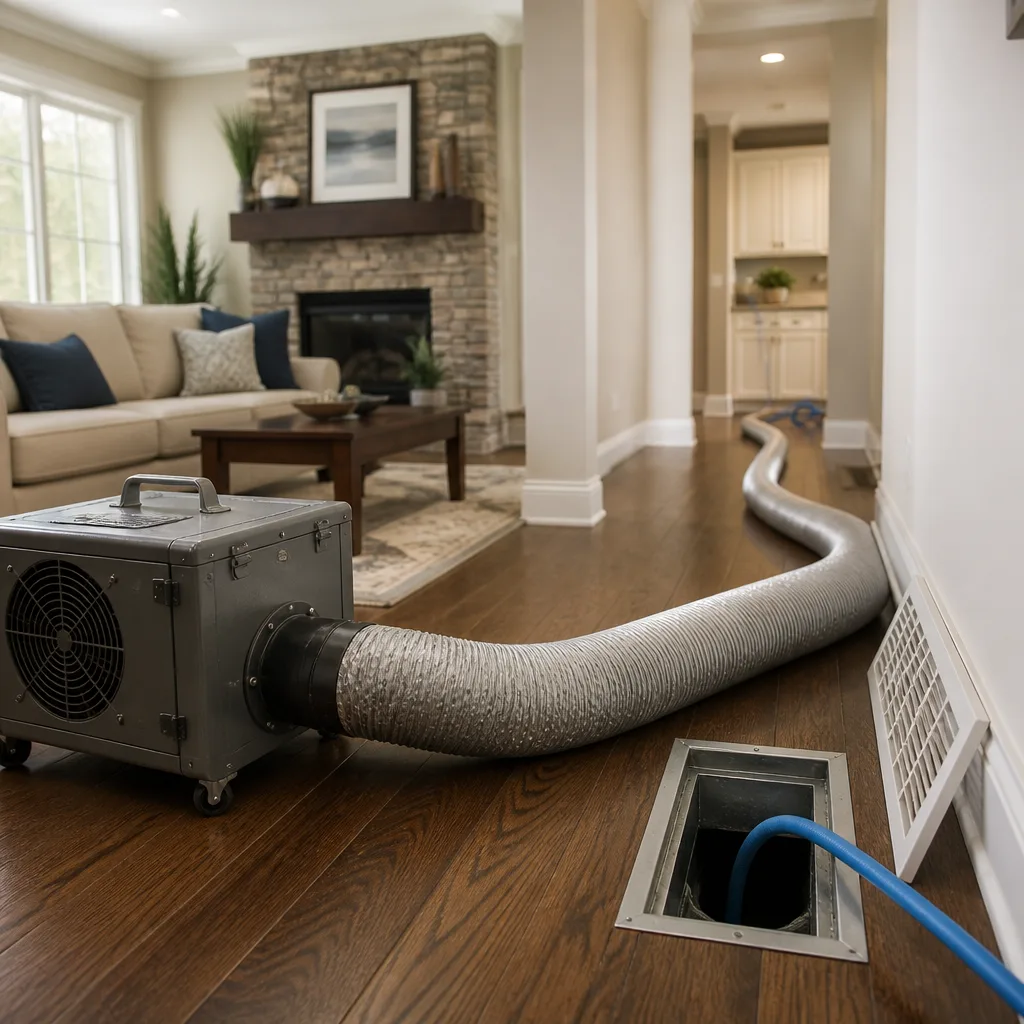 Whole-home duct cleaning
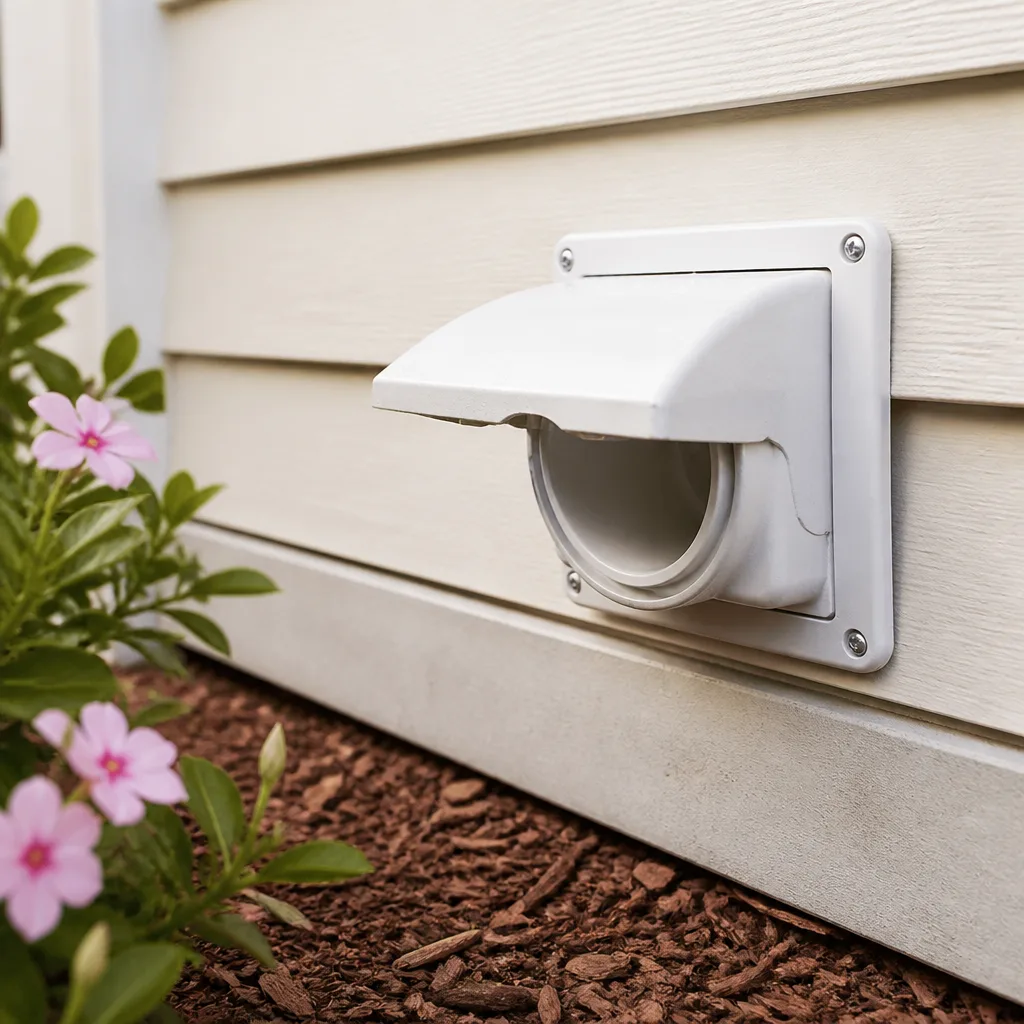 Dryer vent cleaning
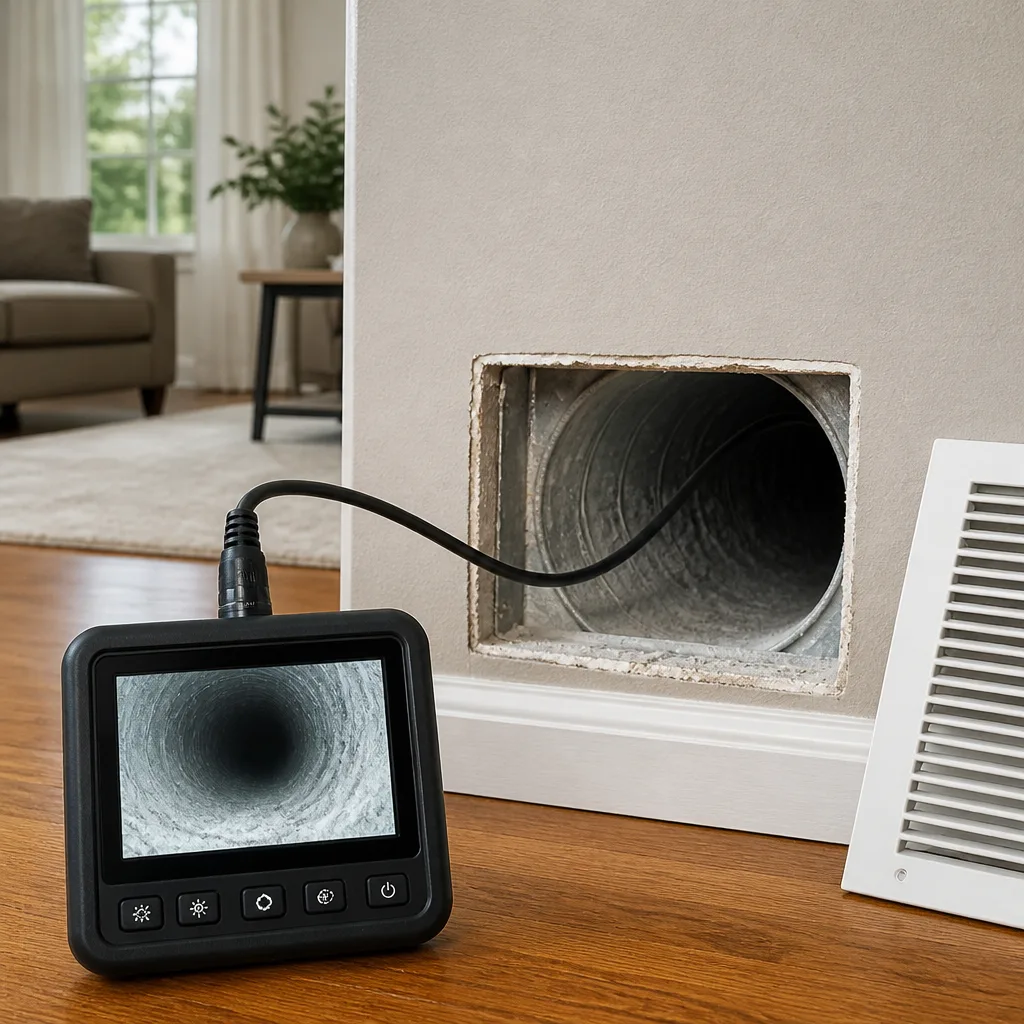 Camera inspection
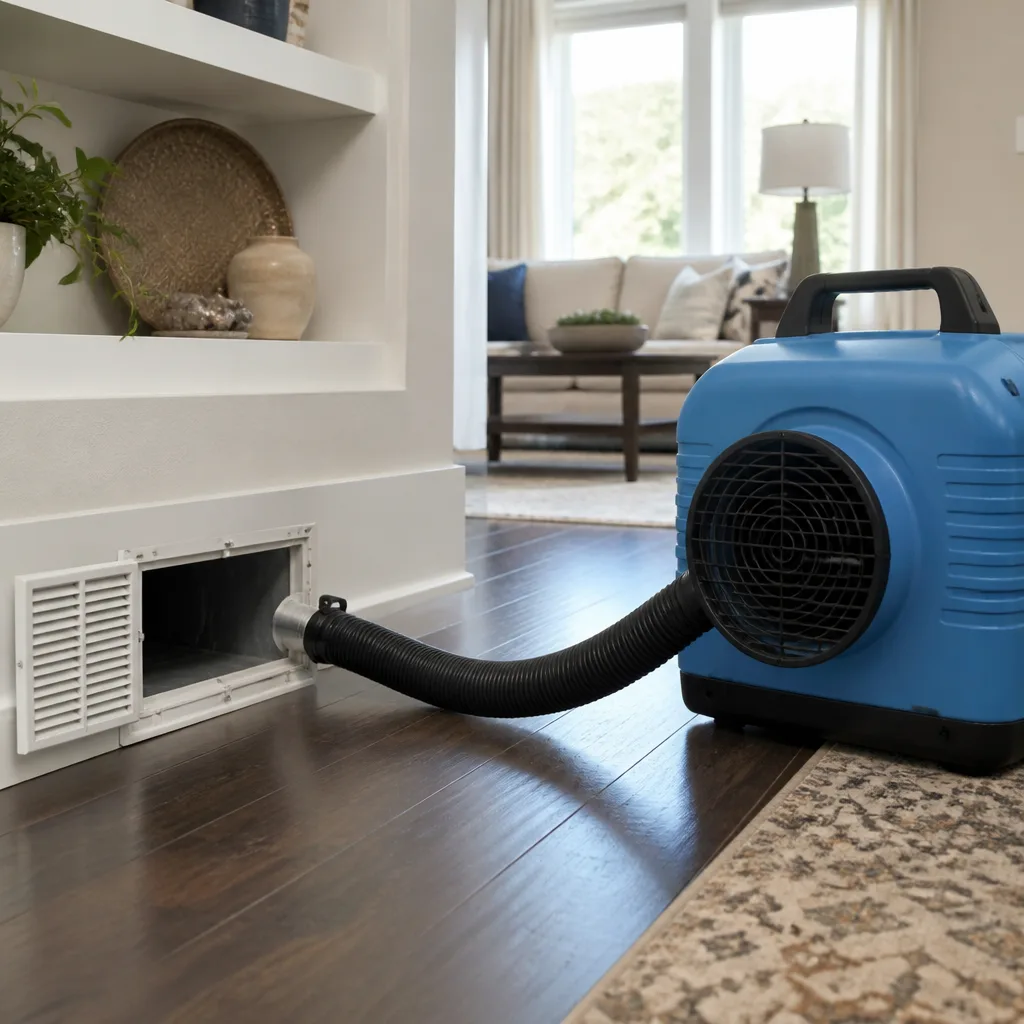 Sanitizing & deodorizing
Whole-system duct and dryer vent check with before-and-after photos - you see exactly what came out of your vents
That "$99 whole-house special" is a bait ad - the real number appears once they are in your hallway, or the "clean" is a shop-vac at the register. We photograph the inside of your ducts before and after instead.
Air Duct Cleaning Cost Breakdown: The Georgetown Homeowner’s Reference for 2026
The $149 duct cleaning special and the $600 professional job have one thing in common: they both show up in a van. Everything else is different. The vacuum’s pulling power, the brush system, the hours spent on site, and what actually gets captured out of your ductwork all vary enormously between the two. Homeowners in Georgetown comparing quotes often assume they’re pricing the same job at different margins. Usually they aren’t pricing the same job at all. This guide breaks down what each part of a duct cleaning bill actually pays for, so you can compare bids against deliverables instead of just bottom lines.
Quick Answer
Air duct cleaning in Georgetown typically runs $350 to $700 for a whole-house system, with larger two-story homes and oversized builder systems landing in the $500 to $900 range. A $149 coupon and a $600 professional bid are rarely quoting the same scope: the low figure usually covers a quick vacuum of the visible main trunk, while the higher bid includes rotary brush agitation, negative-air containment, and cleaning of every branch run. The written estimate, not the coupon, sets the final price.
Styles & brands we work with
- Whole-home duct cleaning
- Dryer vent cleaning
- Camera inspection
- Sanitizing & deodorizing
Table of Contents
- Why Two Duct Cleaning Quotes in Georgetown Can Differ by 400%
- Per-Vent Pricing vs. Whole-System Pricing
- What Professional Equipment Actually Costs to Own and Operate
- Georgetown-Specific Cost Factors: Slabs, Two-Story Flex Runs, and Builder Systems
- Add-On Services: What Sanitizing, Coil Cleaning, and Dryer Vent Work Legitimately Cost
- How to Normalize Bids Using Cost-Per-Square-Foot
- A Step-by-Step Method for Evaluating Any Duct Cleaning Quote
- Why Duct Repair Belongs in Your Cost Conversation
Why Two Duct Cleaning Quotes in Georgetown Can Differ by 400%
When you gather three bids for duct cleaning in Georgetown, the spread can be startling. One comes in at $149. Another at $399. A third at $700. The instinct is to assume the middle or high bid is padded. More often, the low bid is simply quoting a different service: it may cover only the main supply trunk, skip the return side entirely, or use a portable shop-style vacuum that never develops enough suction to pull debris off duct walls.
Here’s what actually varies between bids:
- Scope of coverage. Whole-system means every supply run, every return, the main trunk lines, the plenum, and the air handler cabinet. Partial-system quotes often cover only the trunk and the closest registers.
- Agitation method. Rotary brush systems physically scrub duct walls. Compressed air whips and manual brushes agitate differently. A vacuum alone removes only what’s already loose.
- Containment. Negative-air equipment keeps debris out of your living space during the job. Without it, fine dust escapes back into rooms.
- Time on site. A real whole-house cleaning on a typical Georgetown three-bedroom home takes several hours, sometimes most of a working day. A 45-minute visit is not the same job.
- Verification. Before-and-after photos of your own ducts, not stock images, are the difference between a claim and proof.
Once you understand that a $149 quote and a $700 quote describe different work, the comparison becomes more honest. The question shifts from “who’s cheapest” to “what am I actually buying.”
Per-Vent Pricing vs. Whole-System Pricing
Per-vent pricing is the practice of charging a set dollar amount for each register or return. It sounds transparent. In practice, it creates a structural conflict: the faster a technician moves from vent to vent, the more vents they can cover in a day, and the more revenue the operator books. There’s no incentive to spend extra minutes on a stubborn branch run that’s packed with drywall dust from a recent remodel.
Whole-system pricing flips that incentive. The price is agreed before work starts and covers the entire system, however long it takes to do it properly. Our approach is one flat price per system, agreed before work begins, so the technician has no reason to rush through a branch line or skip the return side.
What per-vent pricing usually leaves out:
- Main trunk lines. The largest duct runs carry the most debris, and per-vent pricing often excludes them.
- Return air ducts. Returns pull unfiltered air through the system and collect a disproportionate share of dust.
- The air handler cabinet. Debris settles inside the cabinet and around the blower, well away from any register.
- Access cutting and resealing. Reaching the trunk often requires cutting small access holes, then sealing them properly afterward.
If you’re quoted per vent, ask exactly what’s included and get it in writing. If the answer is “registers only,” you’re comparing a partial service to a whole-system job. For a deeper look at what whole-system work involves, see our air duct cleaning page.
What Professional Equipment Actually Costs to Own and Operate
Rotobrush rotary-brush systems and Nikro vacuum and collection units are the equipment professional HVAC contractors specify for duct cleaning. They’re also expensive to buy, expensive to maintain, and expensive to run. That cost is real, and it shows up in legitimate bids. A crew that has invested in this equipment isn’t padding the price; they’re covering the cost of doing the job properly.
What the equipment actually does differently:
- Rotary brush systems use a spinning brush head on a flexible shaft to scrub duct walls from the inside, dislodging debris that a vacuum alone can’t lift. The same systems are specified in professional HVAC remediation standards.
- Nikro vacuum and collection units develop sustained suction and hold captured material in a contained collection system, so debris comes out of your ducts and stays out of your house.
- Abatement Technologies negative-air and filtration equipment maintains negative pressure during the job, so fine dust and contaminants don’t escape into the living space. This is the containment layer most low-bid crews simply don’t carry.
We also work with Honeywell and Aprilaire system components. That matters because a whole-home air quality system isn’t just ducts; it includes zone controls, humidifiers, filters, and the integrated equipment that moves and conditions air. A crew trained on these components can assess the whole system rather than just the ducts in isolation.
To put it plainly: contractor-grade equipment, residential pricing. When a bid comes in significantly below the Georgetown market rate, one of the first things to ask is what equipment will actually be on hand.
Georgetown-Specific Cost Factors: Slabs, Two-Story Flex Runs, and Builder Systems
Georgetown’s housing stock shapes duct cleaning costs in ways a generic national price list won’t reflect. Three local factors consistently matter.
Slab-on-grade construction
Most Georgetown homes sit on slab foundations, which means ducts run through the attic and wall chases rather than a basement. Attic runs are accessible but tighter and hotter to work in, and they’re often the paths most prone to loose joints and disconnected sections. A crew working in a Georgetown attic on a summer afternoon is spending meaningfully more time and effort than one working in an open basement in another market. That time is part of the cost, and a bid that ignores it is probably cutting corners elsewhere.
Two-story flex duct runs
Two-story homes often have long flex duct runs serving upstairs bedrooms. Flex duct sags, kinks, and collects debris at low points. It also requires more careful brush work than rigid metal duct, since aggressive handling can tear the inner liner. Cleaning these runs takes longer and demands more skill, which is why two-story Georgetown homes usually land toward the upper end of the typical range.
Oversized builder systems
Many newer Georgetown subdivisions were built with oversized HVAC systems serving large square footage, sometimes with multiple zones and long trunk lines. More duct, more registers, more return air: the cost scales with system size, not just with square footage of living space.
Our technicians have up to experience working on the systems common in this part of Central Texas, including the attic-routed, flex-heavy configurations typical of Georgetown subdivisions.
Add-On Services: What Sanitizing, Coil Cleaning, and Dryer Vent Work Legitimately Cost
Add-ons are where the gap between legitimate service and upsell tactics widens most. Some add-ons genuinely improve outcomes. Others are sold to pad the ticket. Here’s how to tell them apart.
Sanitizing
Antimicrobial fogging or sanitizing is sometimes recommended after cleaning, particularly if there’s visible microbial growth or persistent odor. Typical added cost is in the range of $75 to $150 for a whole-house system. It’s not mandatory after every cleaning, and it won’t fix a moisture problem that’s still active. If a technician pushes sanitizing on every job regardless of what they found, that’s a sales script, not a diagnosis.
Coil cleaning
The evaporator coil sits in the air handler and collects dust that passes the filter. Cleaning it usually runs $100 to $250 as an add-on. It’s worth doing when the coil is visibly fouled and airflow is restricted, but it’s a separate service from duct cleaning. We’re familiar with Honeywell and Aprilaire components, so we can assess integrated air quality equipment rather than treating the ducts as the whole story.
Dryer vent cleaning
Dryer vent cleaning is a dedicated fire-safety service, not a duct cleaning upsell. Lint accumulation in dryer vents is a documented residential fire risk, and the vent should be cleaned on its own schedule regardless of whether you’re having ducts cleaned. Typical pricing runs $100 to $200 depending on vent length and routing. For more detail, see our dryer vent cleaning page.
What to be skeptical of: bundled “air quality packages” priced in the hundreds with no clear explanation of what’s included, and any add-on pitched before the technician has actually looked at your system.
How to Normalize Bids Using Cost-Per-Square-Foot
When bids come in with different scopes, the raw dollar figures aren’t comparable. Cost-per-square-foot is a normalization method that lets you see whether two bids are in the same ballpark once you’ve adjusted for what each one covers.
Here’s the method:
- Write down each bid’s total dollar amount. Include the base price plus any required add-ons, not just the headline figure.
- Write down exactly what each bid covers. Count supply runs, return runs, trunk lines, plenum, and air handler cabinet. Note whether access cutting and resealing is included.
- Divide the bid amount by the number of conditioned square feet in your home. A 2,400-square-foot Georgetown home with a $550 bid works out to roughly $0.23 per square foot.
- Compare the per-square-foot figures for equivalent scopes. If one bid covers half the runs and the other covers all of them, the per-square-foot comparison is only meaningful once you account for the difference.
- Flag any bid that looks dramatically lower per square foot with the same stated scope. Either the scope is smaller than described, the equipment is residential-grade, or the time on site will be short.
Legitimate whole-house cleaning in Georgetown generally lands in a similar per-square-foot band across providers. When one bid is half the others for the same stated scope, the difference is almost always in what happens on the day, not in how the number was written down.
A Step-by-Step Method for Evaluating Any Duct Cleaning Quote
Use this process before you sign anything. It takes about fifteen minutes and it’ll tell you more about a provider than any review site.
- Ask what equipment will be on site. A serious crew will name their rotary brush system and vacuum equipment without hesitation. If the answer is vague, that’s your answer.
- Ask whether containment is used. Negative-air equipment during the job is the difference between removing debris and redistributing it. Ask directly.
- Get the scope in writing. Every supply run, return, trunk line, and the air handler cabinet should be named. If the written scope is only “registers,” the bid isn’t whole-system.
- Confirm flat pricing. One flat price per system agreed before work starts means no surprises. A quote that’s subject to change once the technician arrives isn’t a quote.
- Ask about before-and-after photos. Photos of your ducts, taken on the day, are the only real proof of the work. Request them upfront.
- Ask whether they can repair duct problems they find. Loose joints, disconnected runs, and torn flex duct are common findings. A crew that can only clean will leave those gaps in place; a provider that also offers air duct repair closes them.
- Compare per-square-foot after adjusting for scope. Use the normalization method above.
This is the process behind the approach at the Duct Cleaning Georgetown home page, where the focus is on systemic cleaning with accountable pricing rather than coupon-driven volume work. We answer 24/7, and estimates are free.
Why Duct Repair Belongs in Your Cost Conversation
Duct cleaning reveals things. A rotary brush run through a sagging flex duct sometimes surfaces a disconnected joint, a torn inner liner, or a section that’s pulling air from an unconditioned attic space. A cleaning-only operator finds those problems and moves on. A provider that also does air duct repair can close the gap the same visit or on a scheduled follow-up.
We repair what other crews clean around. That matters for your cost math in two ways. First, a duct system that leaks 20 to 30 percent of its conditioned air into the attic isn’t delivering the airflow you’re paying for. Second, repulling a cleaning job later because a disconnected run blew debris back into the system is wasted money. Addressing repair at the same time as cleaning is generally the more economical sequence.
Typical repair costs depend on the nature of the fix: resealing a handful of joints is on the low end, while replacing a long flex duct run in an attic is a more substantial job. All repair work is priced per job by written estimate before work starts.
Common Mistakes to Avoid
- Comparing a coupon to a professional bid. A $149 register-only vacuum job isn’t the same service as a whole-system cleaning with rotary brushing and containment. Comparing them on price alone is comparing apples to drywall.
- Assuming per-vent pricing saves money. It usually costs more when you account for the trunk lines and returns left out of the quote.
- Skipping the question about containment. In a Georgetown home with attic-routed ducts, negative-air equipment is what keeps dislodged debris out of your living space. Ask.
- Ignoring the air handler cabinet. Debris collects there, and any bid that doesn’t mention it is a partial job.
- Treating dryer vent cleaning as an optional add-on. It’s a fire-safety service with its own schedule, separate from duct cleaning.
- Booking on headline price without a written scope. The written estimate sets the final price. Without it, you have a coupon and hope.
- Skipping repair when ducts are disconnected. Cleaning a system with leaking joints and torn liners just recirculates the problem.
See the difference
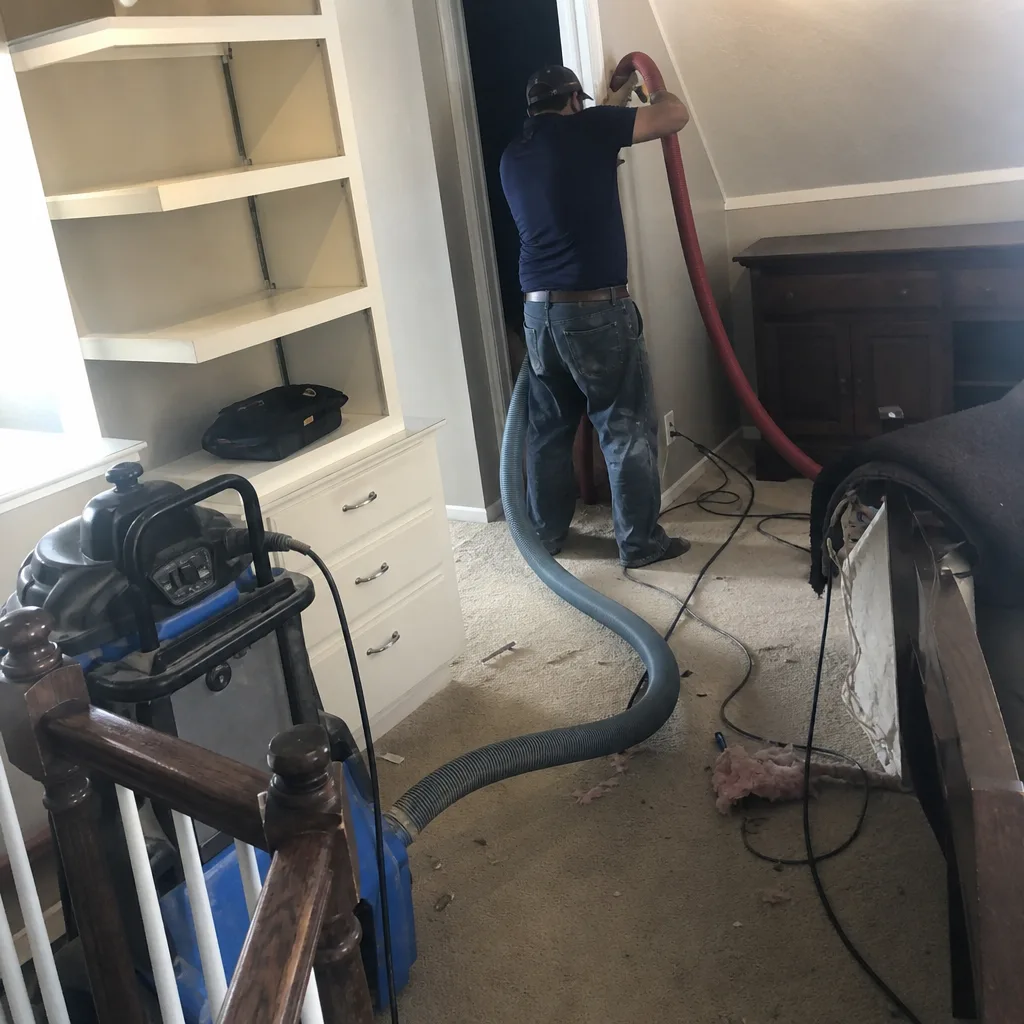 Before
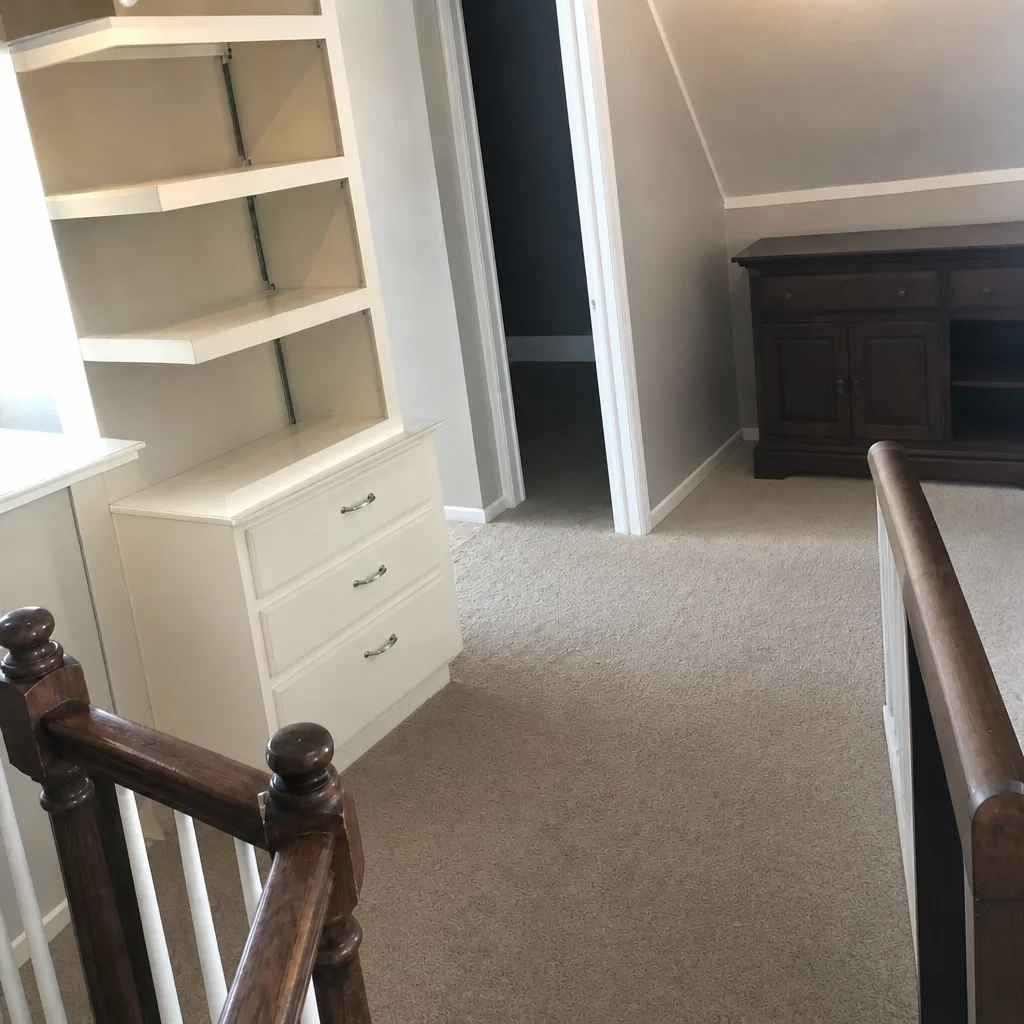 After
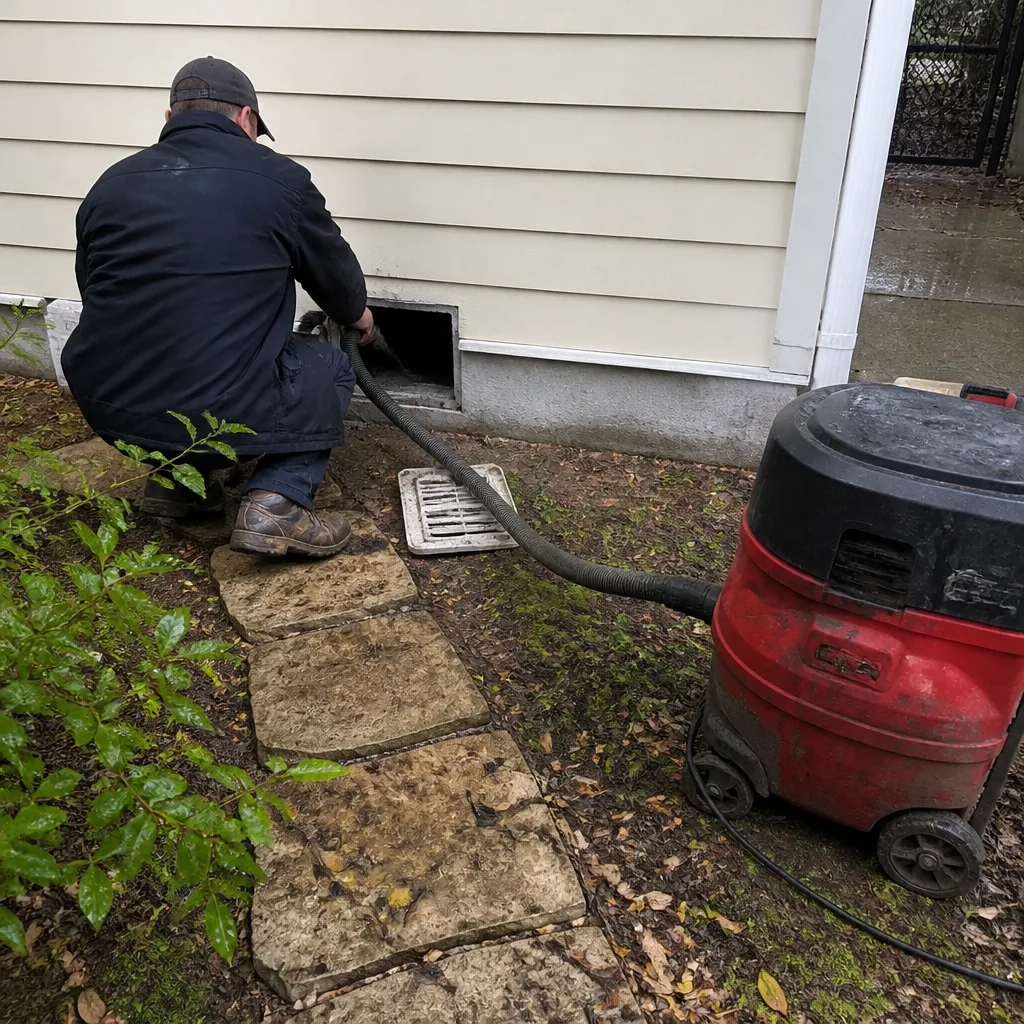 Before
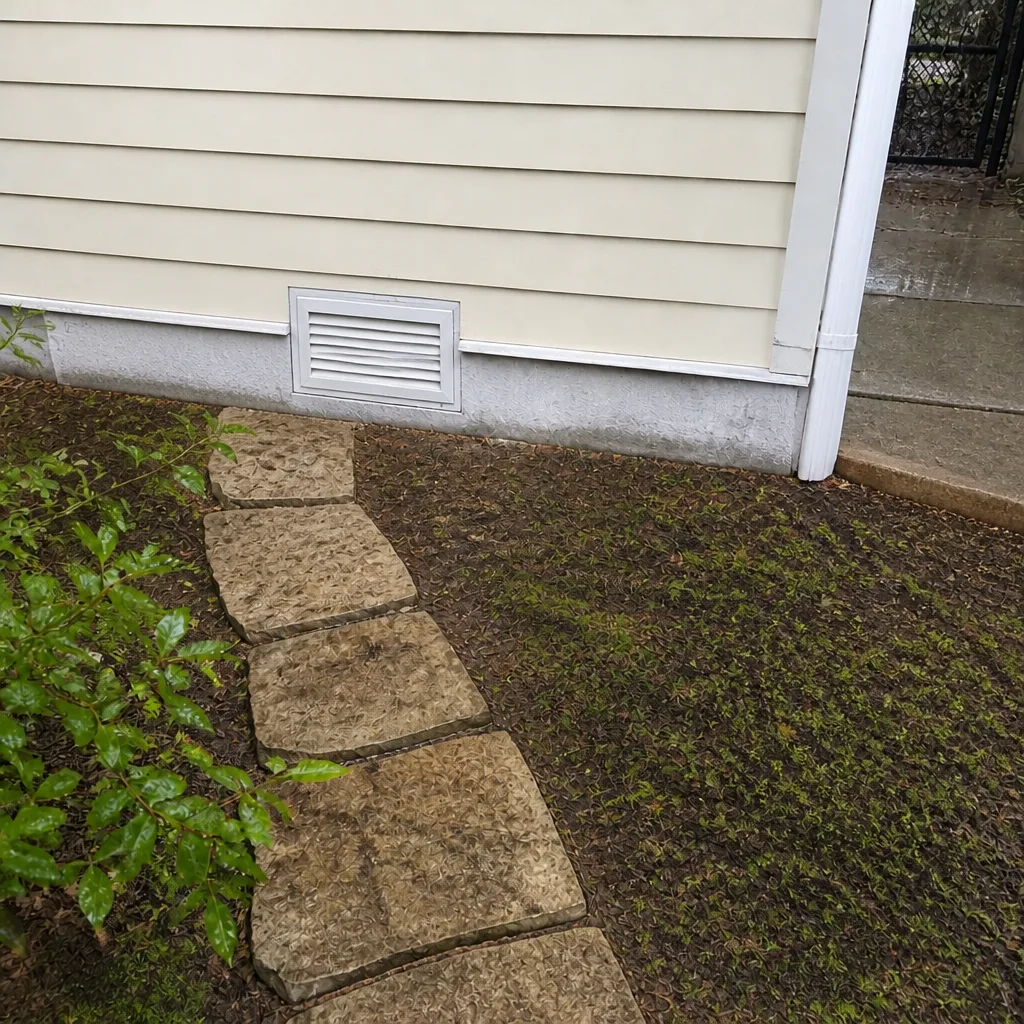 After
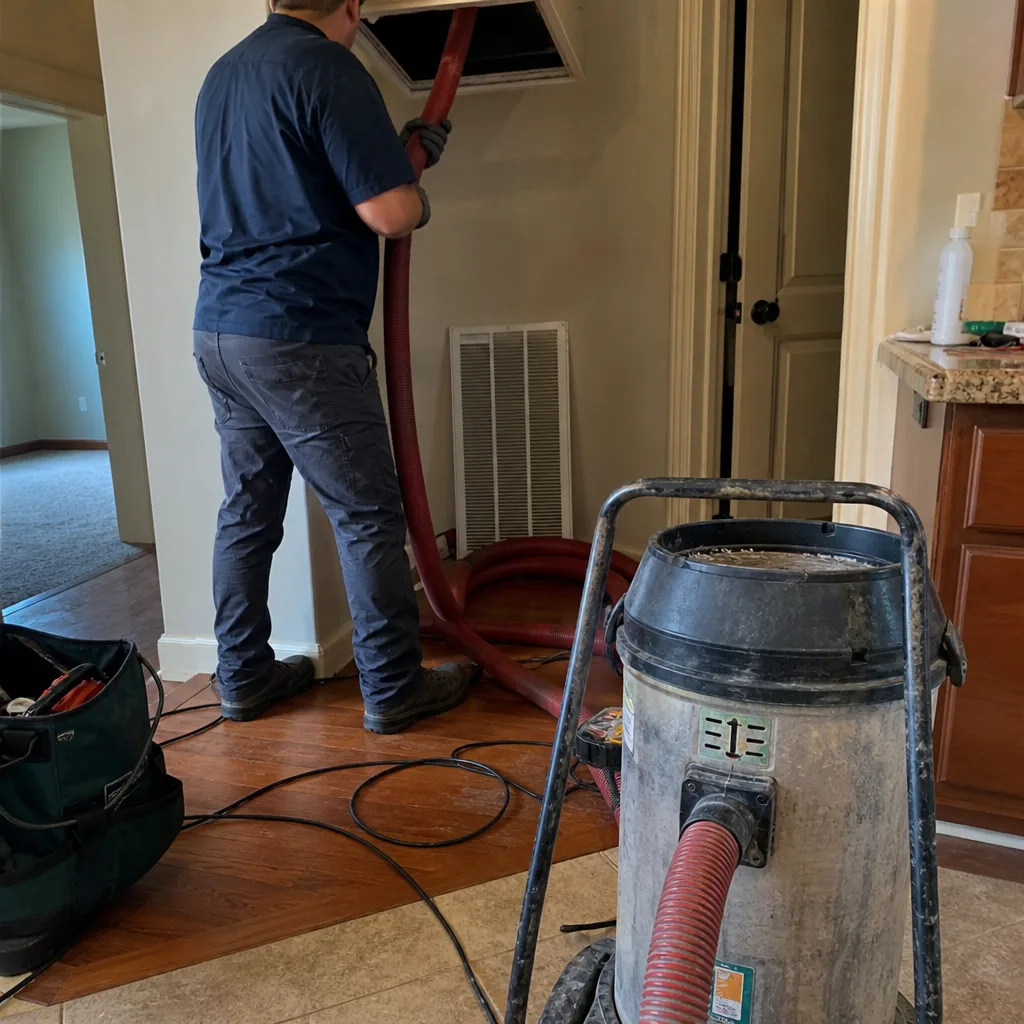 Before
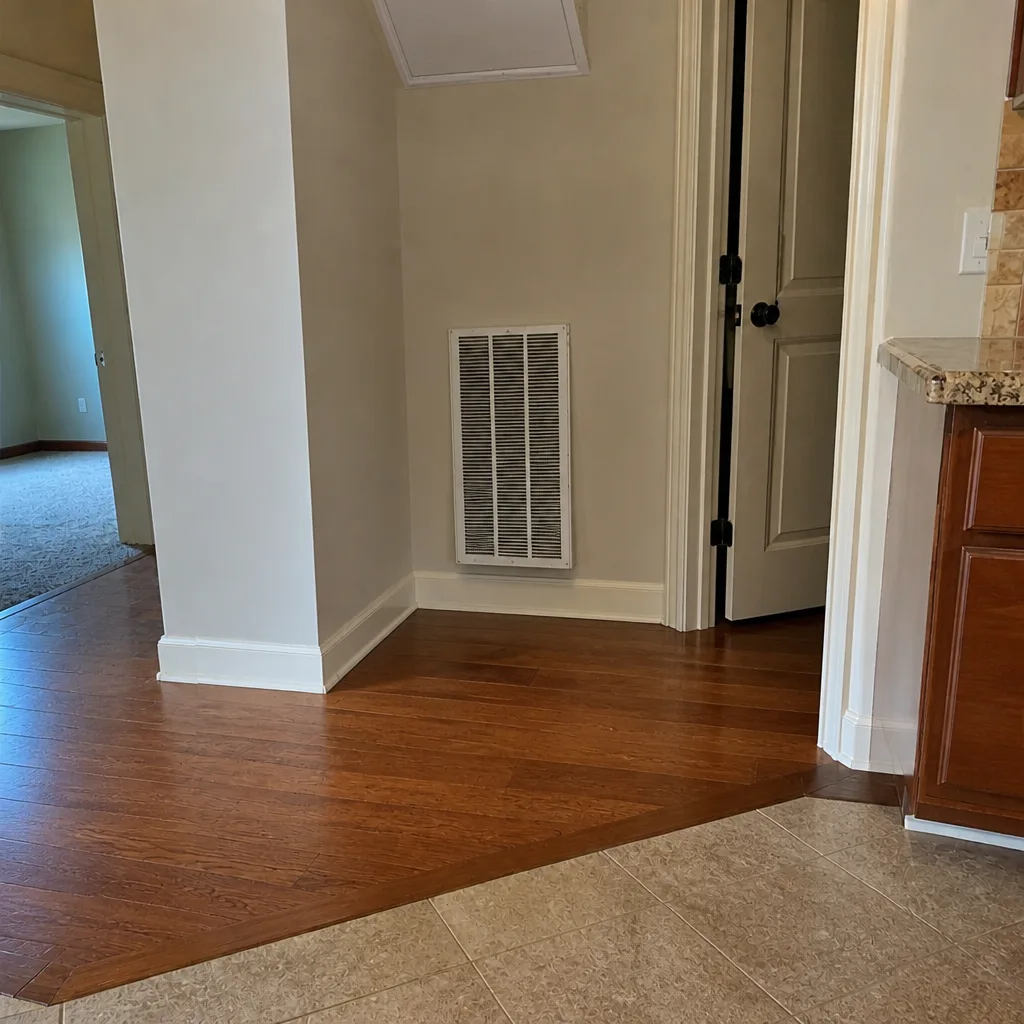 After
When to Call a Professional
Some signs point clearly to a professional visit rather than a wait-and-see approach. Persistent dust settling on surfaces within a day or two of cleaning, visible dust streaks around registers, noticeably reduced airflow from some vents, allergy or asthma symptoms that worsen indoors, a recent remodel or move-in, or an HVAC system that’s been running for years without duct work are all worth a call. If a dryer is taking longer to dry clothes, that’s a dryer vent sign, not a duct cleaning one, and it’s worth booking on its own.
Duct Cleaning Georgetown offers free estimates in Georgetown. Call (844) 560-6431. We answer 24/7. Fast dispatch from 7am to 7pm, Sunday through Friday.
Frequently Asked Questions
Most Georgetown homes land between $350 and $700 for a whole-house system, with larger two-story homes and oversized builder systems in the $500 to $900 range. The written estimate sets the final price, and estimates are free. Call (844) 560-6431 for an exact quote.
Low quotes are usually quoting a smaller job: registers only, no trunk lines, no returns, portable vacuum equipment, and no containment. The headline number is low because the scope is narrow, not because the provider is more efficient. Ask what equipment will be on site and what’s covered in writing before comparing prices. Call (844) 560-6431 to talk through scope on your system.
Before-and-after photos of your own ducts, taken on the day of service, are the standard proof. Pair that with a written scope that names every run included and a flat price agreed before work starts. If a provider can’t produce those, the work isn’t verifiable. Call (844) 560-6431 for a free estimate on a verifiable whole-system clean.
Most homes do well with a whole-system cleaning every three to five years, though a recent remodel, pets, indoor smoking, or a persistently dusty home can justify more frequent service. The right interval depends on what’s in your system, not on a manufacturer’s calendar. Call (844) 560-6431 and we’ll talk through what your system actually needs.
Central Texas heat means the HVAC system runs long hours for much of the year, which moves more air and more debris through the ductwork. Attic-routed ducts in slab-on-grade Georgetown homes also collect more dust at joints and low points than basement systems do. Both of those factors push toward the middle of the typical cost range rather than the bottom. Call (844) 560-6431 for a Georgetown-specific estimate.
For most homes, yes, because per-vent quotes typically exclude the trunk lines and returns where the heaviest debris collects. A flat whole-system price covers the runs that matter and takes the time pressure off the technician. Call (844) 560-6431 for a flat-price estimate on your system.
The Bottom Line
The spread between duct cleaning quotes in Georgetown isn’t primarily a spread in margins. It’s a spread in what the job actually is. A coupon-special register vacuum and a whole-system clean with rotary brushing, negative-air containment, and air handler coverage are different services, and the cost-per-square-foot math only becomes meaningful once you’ve adjusted for scope. Ask about equipment, scope, containment, flat pricing, and photos before you compare totals. And keep duct repair and dryer vent work in the conversation, since disconnected runs and lint buildup are real costs that show up later if they’re left alone. Contractor-grade equipment, residential pricing, and one flat price per system agreed before work starts: that’s what a comparable bid looks like.
Ready to get a straight answer on your system? Call Duct Cleaning Georgetown at (844) 560-6431 for a free estimate. We answer 24/7. Fast dispatch from 7am to 7pm, Sunday through Friday.
Written by the team at Duct Cleaning Georgetown.