
Last updated November 16, 2026
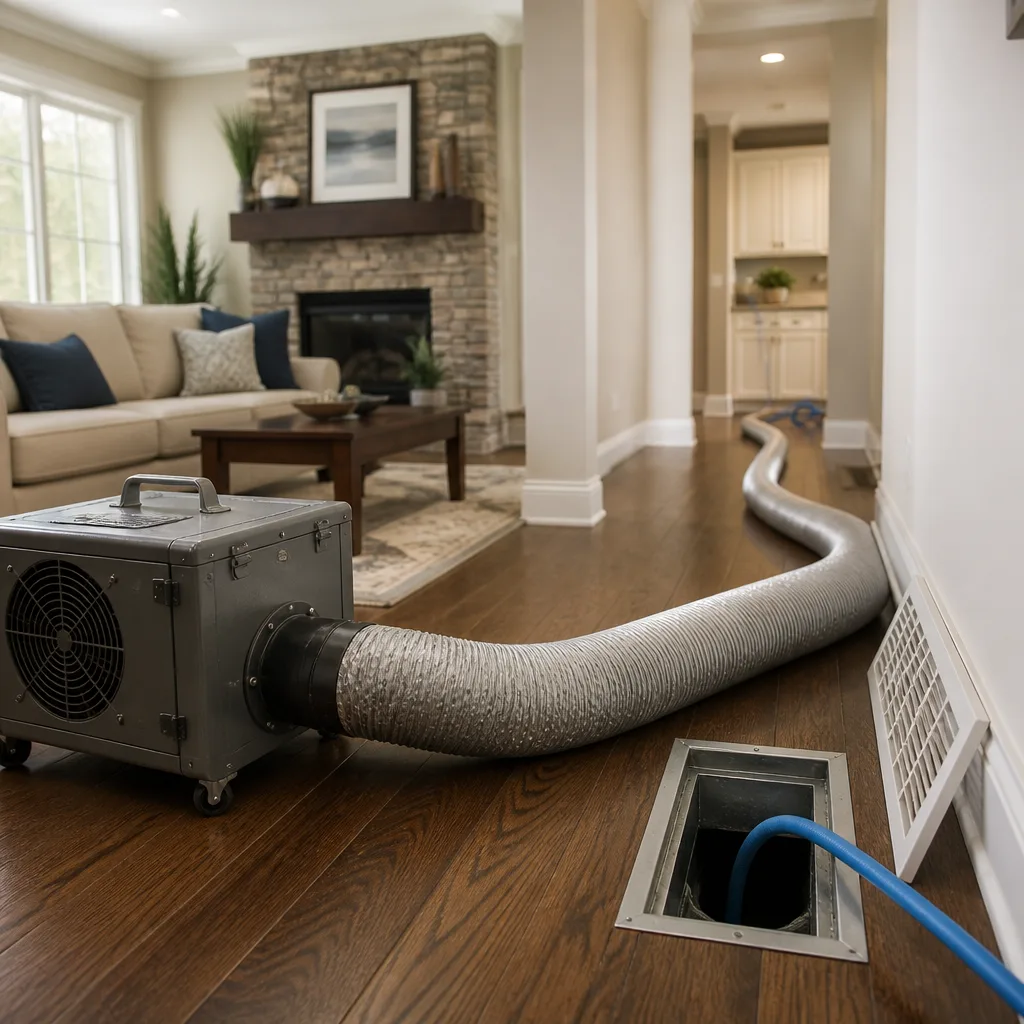 Whole-home duct cleaning
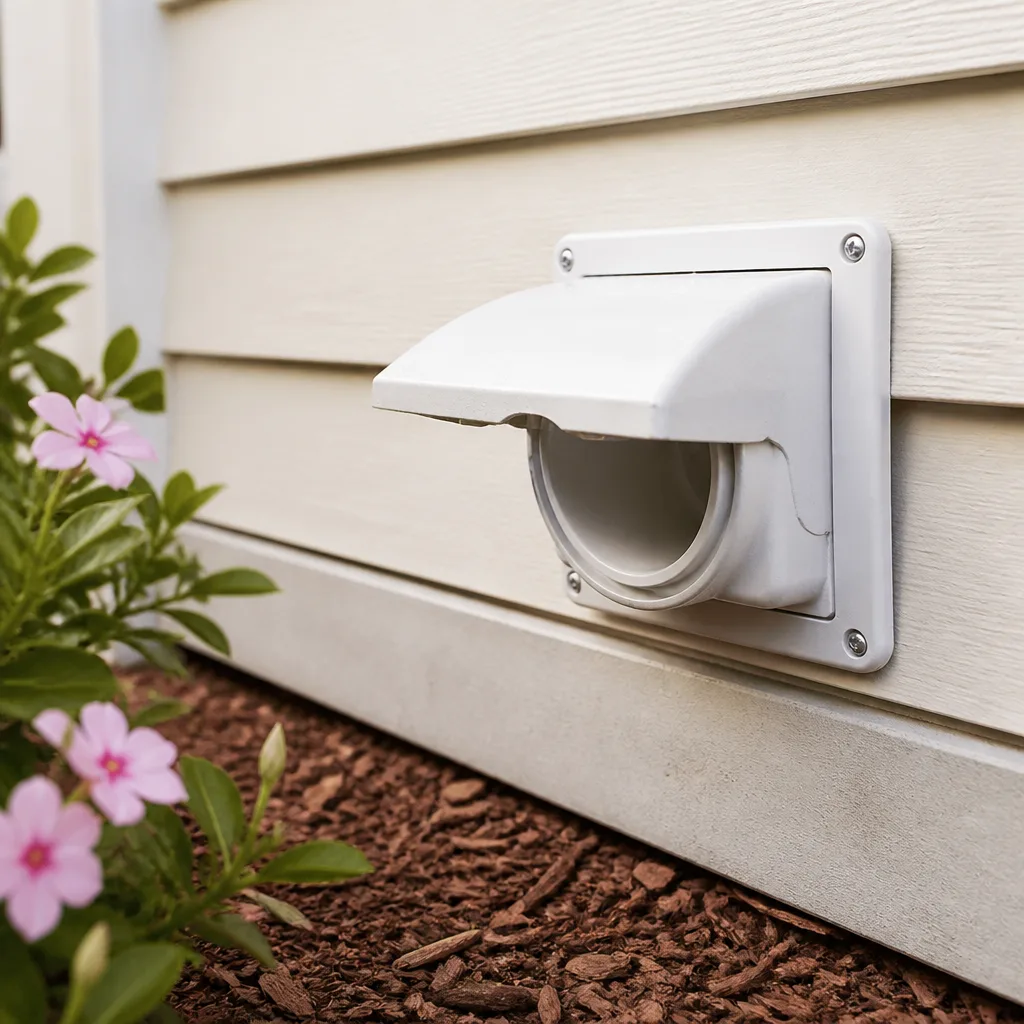 Dryer vent cleaning
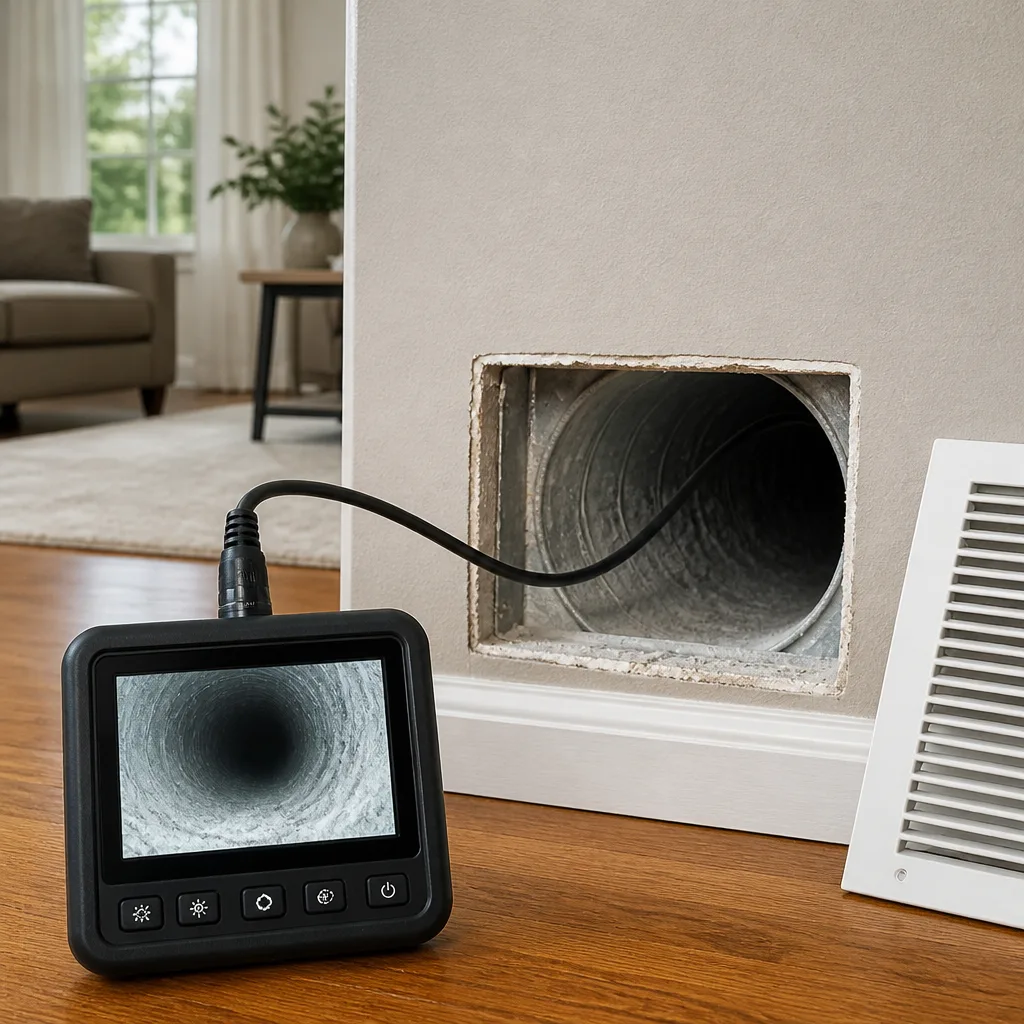 Camera inspection
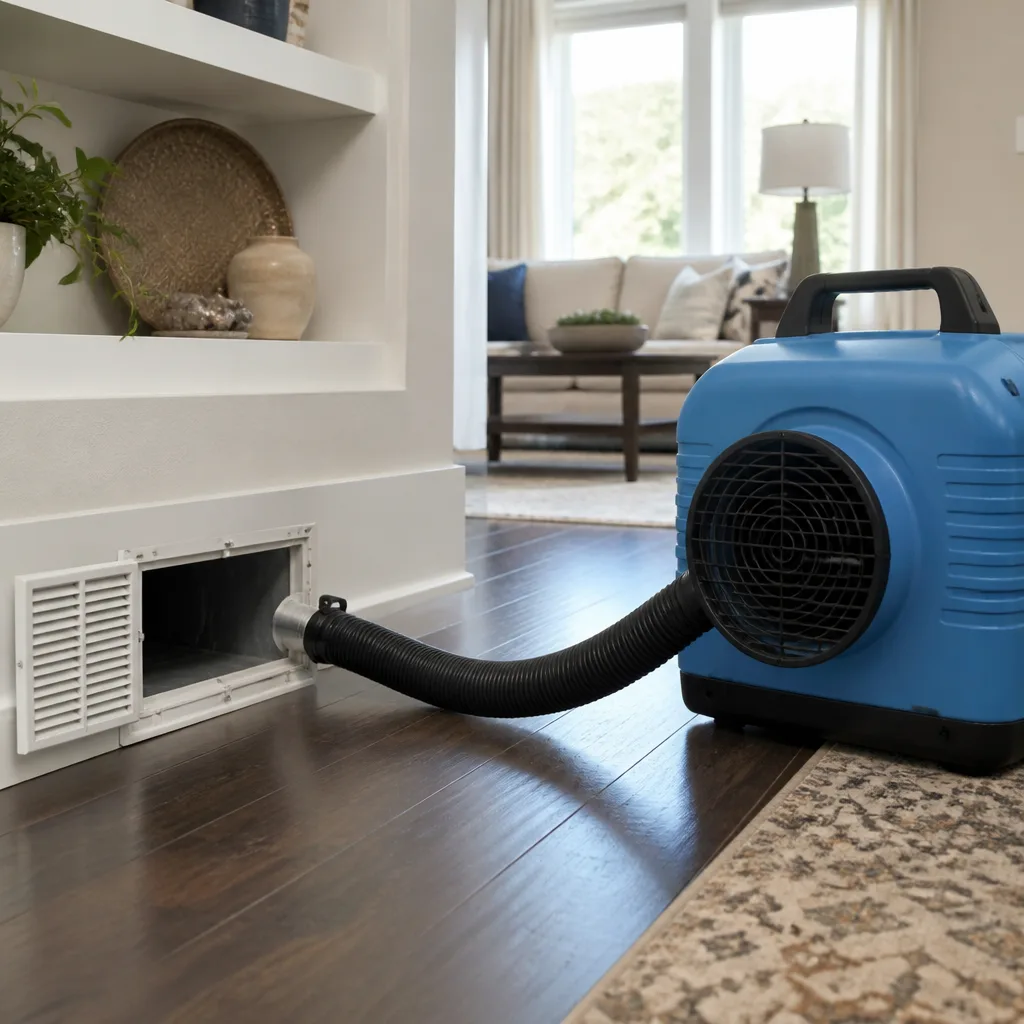 Sanitizing & deodorizing
Whole-system duct and dryer vent check with before-and-after photos - you see exactly what came out of your vents
That "$99 whole-house special" is a bait ad - the real number appears once they are in your hallway, or the "clean" is a shop-vac at the register. We photograph the inside of your ducts before and after instead.
Air Duct Cleaning Permits, Codes & Inspections in Georgetown, TX: What You Need to Know
Most homeowners assume that because duct cleaning is “just cleaning,” nothing about it is regulated. That’s roughly half true, and the half that isn’t is where people get hurt. In Texas, running a rotary brush and negative-air equipment through your ducts is a maintenance service. Cutting into a plenum, reconnecting a collapsed trunk line, or adding a new supply run is mechanical work, and mechanical work is governed by state code and, in many cases, a local permit. A crew that lumps “cleaning” and “repair” into one visit without a licensed HVAC contractor on the job is doing something different from what they told you. This guide walks through where the permit line sits in Georgetown, what Williamson County expects, how to verify a contractor, and what documentation you should hold onto once the work is done.
Quick Answer
Air duct cleaning alone does not require a permit in Texas. Duct repair, reconnection, sealing that involves cutting into the system, or any modification that changes the layout of the ductwork does require a permit from the City of Georgetown and must be performed or directly supervised by a licensed Texas HVAC contractor. If a company offers to “patch a few connections” without that licensed oversight, walk away. Call (844) 560-6431 for a free estimate on Georgetown work.
Styles & brands we work with
- Whole-home duct cleaning
- Dryer vent cleaning
- Camera inspection
- Sanitizing & deodorizing
Table of Contents
- Cleaning vs. Repair vs. Modification: Where the Line Sits in Texas
- Georgetown and Williamson County Permit Thresholds for Duct Work
- How to Verify a Contractor Before They Touch Your Ductwork
- Post-Remediation Documentation: What’s Required and Who Signs It
- HOA Rules and New-Construction Warranty Impacts
- What an Inspection Actually Checks
- Why Georgetown Homes See Duct Problems in the First Place
- How a Reputable Duct Job Unfolds, Step by Step
Cleaning vs. Repair vs. Modification: Where the Line Sits in Texas
Texas adopts the International Mechanical Code through the state’s plumbing and mechanical administrative rules, and local jurisdictions layer their own amendments on top. The code doesn’t define “duct cleaning” as a regulated trade. It does define “mechanical work” broadly enough that anything touching the integrity of the air distribution system falls under it. That’s the boundary you need to understand before you hire anyone.
Here’s how the three categories break down in practice:
- Cleaning – source removal of dust, debris, and biological growth from the inside surfaces of existing, intact ducts using negative-air and rotary-brush equipment. No cutting, no new joints, no changes to airflow design. No permit.
- Repair – reconnecting a separated joint, sealing a leaking plenum, replacing a crushed flex run with the same size and routing, or restoring a register boot to its original position. This is mechanical work. Many Georgetown jobs of this scope trigger a permit.
- Modification – adding a supply or return, resizing a trunk line, moving a register, rerouting ductwork for a remodel, or tying a new zone into the system. This is squarely mechanical work and always requires a permit and a licensed HVAC contractor.
In our experience, the confusion starts when a cleaning crew opens a register, finds a disconnected flex duct, and offers to “just reattach it while we’re here.” That’s a repair. It’s the kind of thing that shows up in a home inspection report later and raises questions the homeowner can’t answer. If you suspect your ducts need anything beyond cleaning, the honest move is to have a licensed HVAC contractor look at it and pull the right permit. On a recent-purchase home in Sun City, we’ve seen this pattern surface during the buyer’s inspection because the previous owner let a cleaning company handle a detached run without documentation.
Georgetown and Williamson County Permit Thresholds for Duct Work
The City of Georgetown’s Building Division issues mechanical permits for duct work that alters the system. Williamson County handles permitting in unincorporated areas, and the thresholds are similar: if the work involves new duct, re-routed duct, or significant repair that affects the mechanical system, a permit is required. Cleaning, filter changes, and simple register swaps do not require one.
Here’s the practical rule of thumb:
- Cleaning-only visit – no permit. This is why most air duct cleaning in Georgetown goes forward without a building department involvement at all.
- Reconnecting a disconnected run with the same material and same size – sometimes exempt, sometimes not, depending on how the inspector interprets the scope. Call the Building Division and ask before assuming.
- Sealing duct joints with mastic or approved tape – usually treated as repair and may require a permit if the scope is more than incidental.
- Replacing flex duct or rigid duct runs – permit required.
- Adding, moving, or removing a supply or return – permit required, and a licensed HVAC contractor must pull it.
- Any work tied to a larger remodel – rolled into the remodel permit.
A permit isn’t a bureaucratic inconvenience here. It’s the record that the work happened and was inspected. If you ever sell a Georgetown home, that record is what a buyer’s inspector looks for. We can’t tell you how your specific city office will interpret every edge case, and we won’t, because that’s a call the Building Division makes and you should hear it from them directly. Ask them, get the answer in writing if you can, and keep it with your home file.
How to Verify a Contractor Before They Touch Your Ductwork
Texas licenses HVAC contractors through the Texas Department of Licensing and Regulation (TDLR). Any company that performs mechanical work, including duct repair that requires a permit, must hold a valid TDLR license. Cleaning-only work isn’t explicitly licensed by TDLR, which is exactly why the market has so many operators running around without one. That absence is not a green light. It’s a heads-up that you need to ask sharper questions.
Before any company touches your ducts, do these four things:
- Ask for the TDLR license number if repair work is in scope. Look it up on the TDLR website. If they hedge, they don’t have one.
- Ask what equipment they use. A truck-mounted or portable shop vac isn’t sufficient for source removal. Professional work uses rotary-brush systems like Rotobrush and high-capacity collection units like Nikro, with negative-air containment (we run Abatement Technologies filtration equipment for this) so debris doesn’t end up in your living room.
- Ask whether they carry general liability insurance and workers’ comp. Get the certificate. Cleaning-only operators are often uninsured, and if a technician damages your ceiling or HVAC equipment, you’ll be the one paying.
- Ask what documentation you receive after the job. A written report, before-and-after photos of your own ducts, and a clear scope of work. If they can’t produce that, they aren’t going to produce it after the check clears either.
We tell Georgetown customers this openly: if you’re only hiring for cleaning, licensing isn’t the main filter. Equipment and process are. If the scope drifts toward repair, licensing becomes the whole filter. Duct Cleaning Georgetown separates the two because the legal requirements are different, and we don’t want a customer discovering that distinction after the fact. Visit Duct Cleaning Georgetown to see how our service scope breaks down.
Post-Remediation Documentation: What’s Required and Who Signs It
When duct work involves more than routine cleaning, especially if there’s visible microbial growth, water damage, or suspected asbestos-containing material in older duct systems, Texas doesn’t have a single statewide “post-remediation” certificate requirement. What it does have is a chain of overlapping standards: the licensed HVAC contractor’s inspection report, the mold remediation protocols under the Texas Department of Licensing and Regulation’s mold program when applicable, and the property documentation requirements imposed by lenders, insurers, and buyers.
What that means for you in practice:
- Routine cleaning – a written service report with before-and-after photos, scope of work performed, and equipment used. No regulatory signature required.
- Repair – the mechanical permit, if one was pulled, plus the contractor’s invoice and, typically, an inspection sign-off from the City of Georgetown.
- Suspected mold growth – a licensed mold assessment or remediation contractor handles the project, not a duct cleaning crew. Texas requires specific licensing for mold work, and that licensing is separate from HVAC licensing.
- Suspected asbestos – duct board and mastic in older homes sometimes contains asbestos. Texas rules require a licensed asbestos abatement contractor for the removal, and any disturbance is a regulated event. Do not let a cleaning crew touch suspected asbestos.
If a company hands you a “certificate” with their own logo on it and calls it documentation, that’s not what we’re talking about. We’re talking about a permit record, an inspection, or a licensed professional’s report. Ask which one you’re getting. The answer matters if you ever need to file a claim, sell the home, or prove the work was done to a customer who insists on accountability.
HOA Rules and New-Construction Warranty Impacts
A lot of Georgetown’s newer neighborhoods, from Wolf Ranch and Berry Creek to Sun City and the subdivisions off Williams Drive, sit under HOA governance that does more than control fence heights and paint colors. Some HOAs require prior approval for vendor work that touches the home’s mechanical systems. Some new-construction builder warranties specifically state that unapproved vendors void coverage on the affected system. Read your documents once, before the technician pulls up.
Three specific things to check:
- HOA architectural or vendor approval requirements. Some HOAs maintain lists of approved vendors for mechanical work. If yours does, hiring off-list can produce a violation notice.
- Builder warranty language on HVAC systems. Many production builders warrant the HVAC system for a defined period and require that maintenance and repair be performed by licensed contractors or the builder’s approved service network. A cleaning-only operator patching a duct connection could void that warranty on the affected components.
- Insurance policy endorsements. Homeowner’s policies frequently exclude damage caused by unpermitted work. If a duct repair done without a permit later causes water damage or a safety issue, the insurer can decline the claim.
That last one is the piece people miss. The permit isn’t just for the city. It’s for your insurer. When a claim comes in for a problem rooted in unpermitted mechanical work, the adjuster asking “who pulled the permit” is not a hypothetical.
What an Inspection Actually Checks
If you pulled a permit for duct repair or modification, a City of Georgetown inspector will visit before the permit closes. The inspection isn’t about the cleaning quality. It’s about whether the mechanical work meets code. Here’s what typically gets checked:
- Joints and connections – sealed per code, with approved materials (no duct tape alone on a plenum, no unsealed flex seams).
- Support and routing – flex duct supported at intervals, no sagging or kinked runs, no ductwork crushed between joists.
- Clearances – proper distance from combustible materials, especially around the furnace and any heat-producing equipment.
- Sizing and airflow – a modification has to be designed to the system’s capacity, not added on arbitrarily.
- Return and supply balance – air in has to roughly match air out, or the system short-cycles and loses efficiency.
If the inspector finds issues, the permit stays open until they’re corrected. That’s a good thing, even when it’s inconvenient, because it means the record shows a real correction rather than a paper one. For cleaning-only work, there’s no inspection at all, which is why the choice of cleaning company matters more than any permit ever will.
Why Georgetown Homes See Duct Problems in the First Place
Georgetown sits on the eastern edge of the Hill Country, and the local climate makes duct systems work hard. Summers here run hot and long, so the AC runs nearly continuously from May through September, and every hour of runtime is an hour of air moving through the same ducts. Dust, pollen, and construction debris accumulate faster in a system that never gets a break. Winters are mild, which means the system stays in use year-round instead of going dormant.
The housing stock adds to it. Georgetown has a wide mix of new construction and older homes, and both have vulnerabilities:
- New construction (Wolf Ranch, Berry Creek, Sun City, the newer phases off Williams Drive) – dust and drywall particulate from the build often stays in the ducts after move-in, and flex duct connections in the attic are sometimes poorly sealed at install, especially in the unconditioned attic runs where temperature swings are widest.
- Older homes in the historic district and downtown – duct board and older rigid duct systems can develop failed seams, and some of that material warrants a closer look for asbestos before anyone disturbs it.
- Two-story and larger-lot homes – longer duct runs, more joints, more opportunities for leakage and disconnection.
What we’ve seen in Georgetown is that a lot of “the AC isn’t cooling right” calls turn out to be duct leakage rather than equipment failure. A proper inspection separates the two before you spend money on the wrong fix. Learn more about our air duct cleaning process to see how we scope the system before we touch it.
How a Reputable Duct Job Unfolds, Step by Step
Whether you hire us or another company, a well-run duct job follows a predictable sequence. If a crew shows up and skips straight to the vacuum, that’s your signal to ask questions.
- Pre-job assessment. A technician walks the system, finds every register and return, opens the air handler cabinet to check the blower and coil, and identifies any disconnected or damaged runs. This is where repair needs surface.
- Written scope and estimate. You get a written scope with a flat price per system. Not per vent, not a teaser number that grows on the day of service. If repair work is included, the estimate should say whether a permit is being pulled and by whom.
- Containment setup. Negative-air equipment (we use Abatement Technologies units) is placed to keep the living space under negative pressure, so debris moves toward the collection equipment, not into your kitchen.
- Source removal. Rotary-brush systems (Rotobrush) agitate the duct walls while high-capacity Nikro collection units pull the loosened material out. Every supply and return gets worked, not just the easy ones.
- Repair scope. If a disconnected run, unsealed plenum, or crushed flex duct is found, the repair happens under the correct licensing and permit, or we schedule it for a licensed HVAC contractor to handle.
- Post-job verification. Before-and-after photos of your own ducts, a written report, and a walkthrough with you so you can see what changed. If the work is permitted, the inspection sign-off gets filed.
- System check. Blower, filter, and any integrated air quality components (we’re trained on Honeywell and Aprilaire equipment) get checked so the system leaves in better shape than it arrived.
If your dryer vent is part of the work, treat that as its own scope. dryer vent cleaning is a fire-safety service with its own considerations, and it doesn’t overlap with the mechanical permit question, but it does overlap with the same household safety concern. We handle all three services under one roof so a Georgetown customer isn’t coordinating three vendors.
Common Mistakes to Avoid
- Letting a cleaning-only operator “fix” a disconnected duct on the spot. That’s mechanical work, and if it requires a permit and a licensed HVAC contractor, the homeowner ends up holding the liability. Ask first.
- Assuming because no permit was needed for cleaning, no permit is needed for anything. The whole point of this guide is that those two scopes are legally different. Don’t let a company blur them.
- Hiring on price alone in a market full of $99 coupon crews. A price that low doesn’t cover proper equipment, containment, or documentation. You’re paying for a name and a hose into a register.
- Skipping the HOA check before scheduling. A quick email to your HOA board beats a violation notice. And if your builder warrants the HVAC system, verify what their rules say about third-party work.
- Not documenting the job. Get the written report, the photos, and, if work was permitted, the inspection record. Put them in your home file. A Georgetown buyer’s inspector will ask.
- Letting a duct crew disturb older duct board without an asbestos check. Older homes in Georgetown’s historic areas sometimes have materials that shouldn’t be touched without a licensed asbestos contractor. Ask the question before the job starts, not after.
- Ignoring the dryer vent while the ducts are being cleaned. It’s the same house, the same safety concern, and usually the same visit if you ask. A clogged dryer vent is a leading cause of residential structure fires, and it doesn’t fix itself.
See the difference
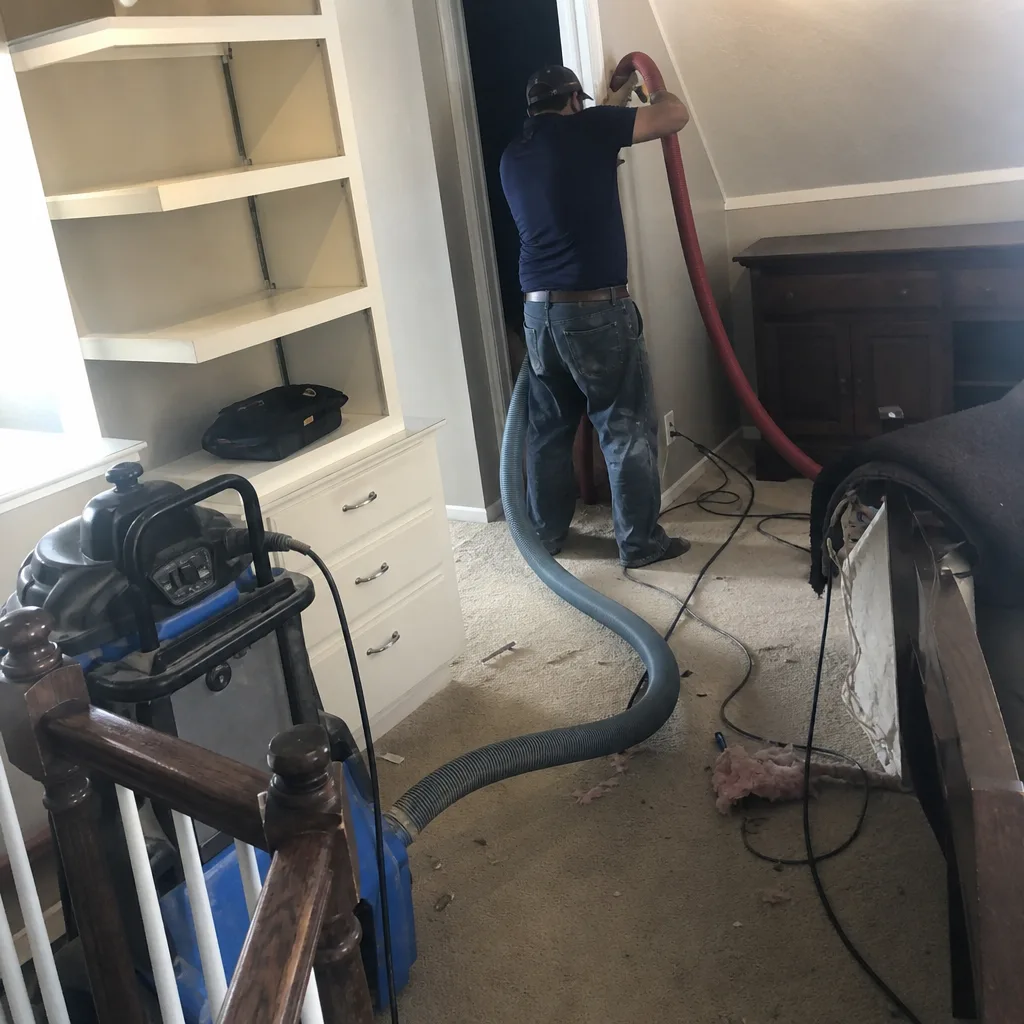 Before
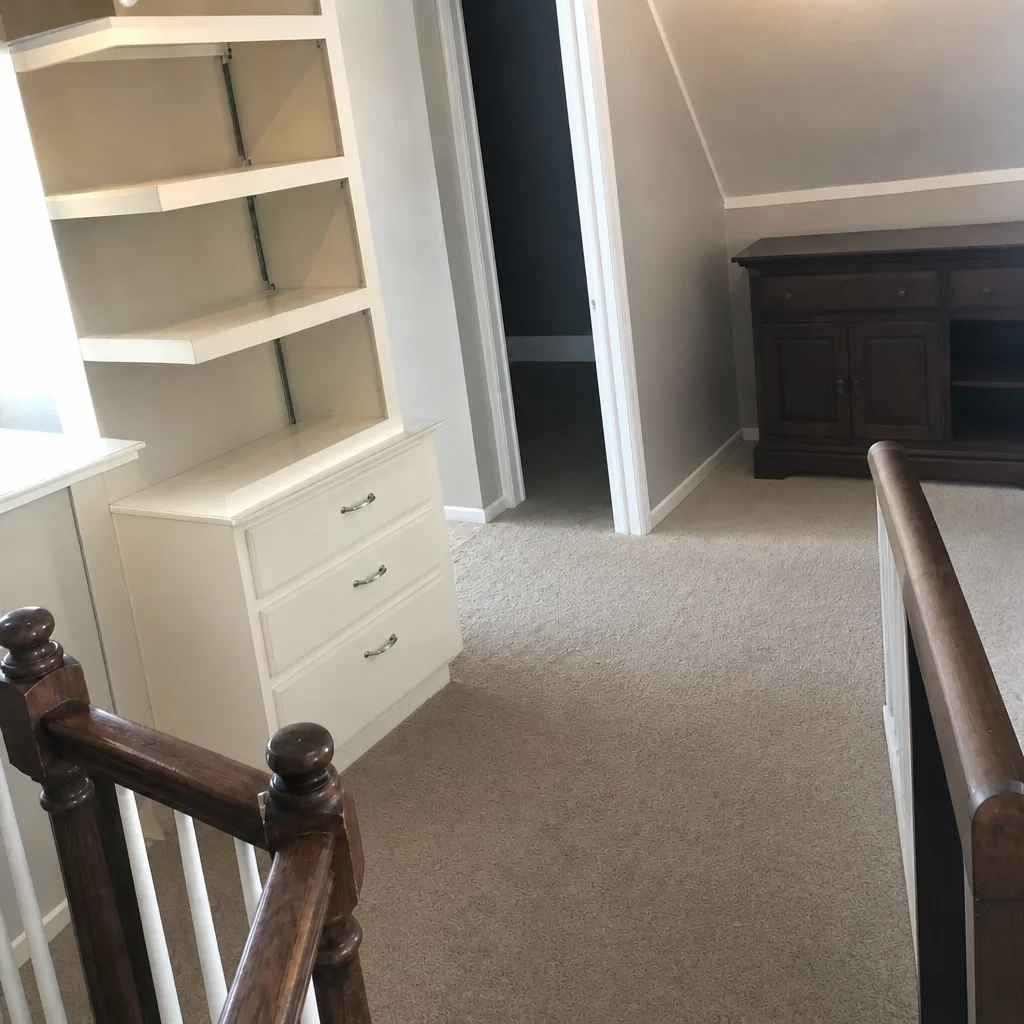 After
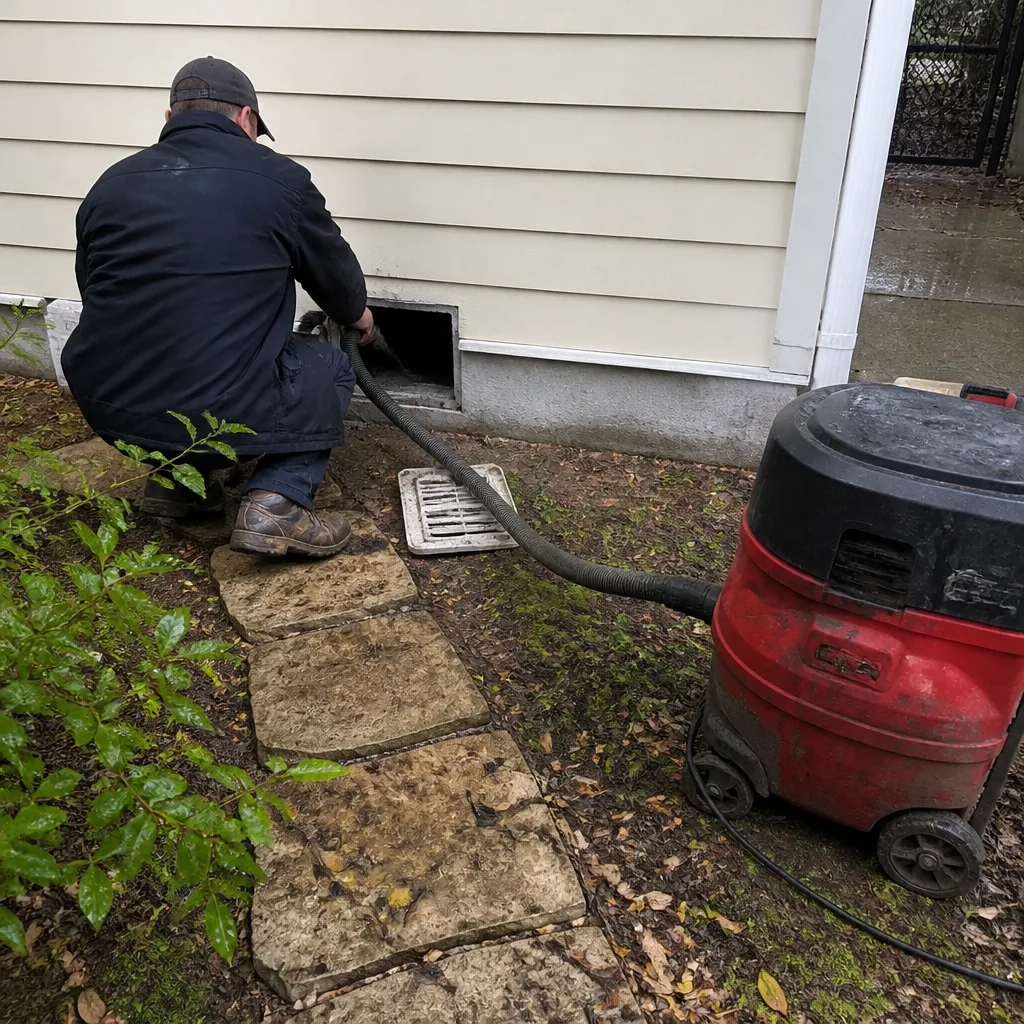 Before
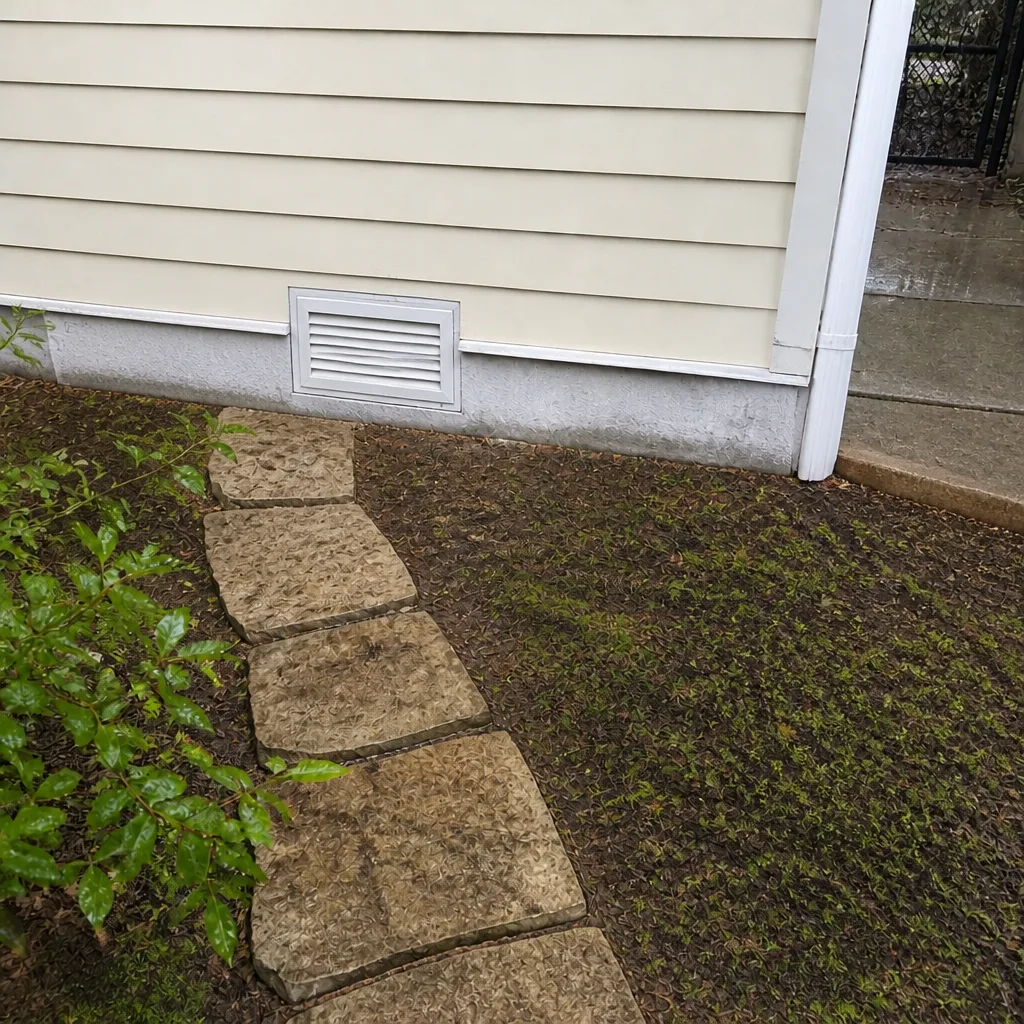 After
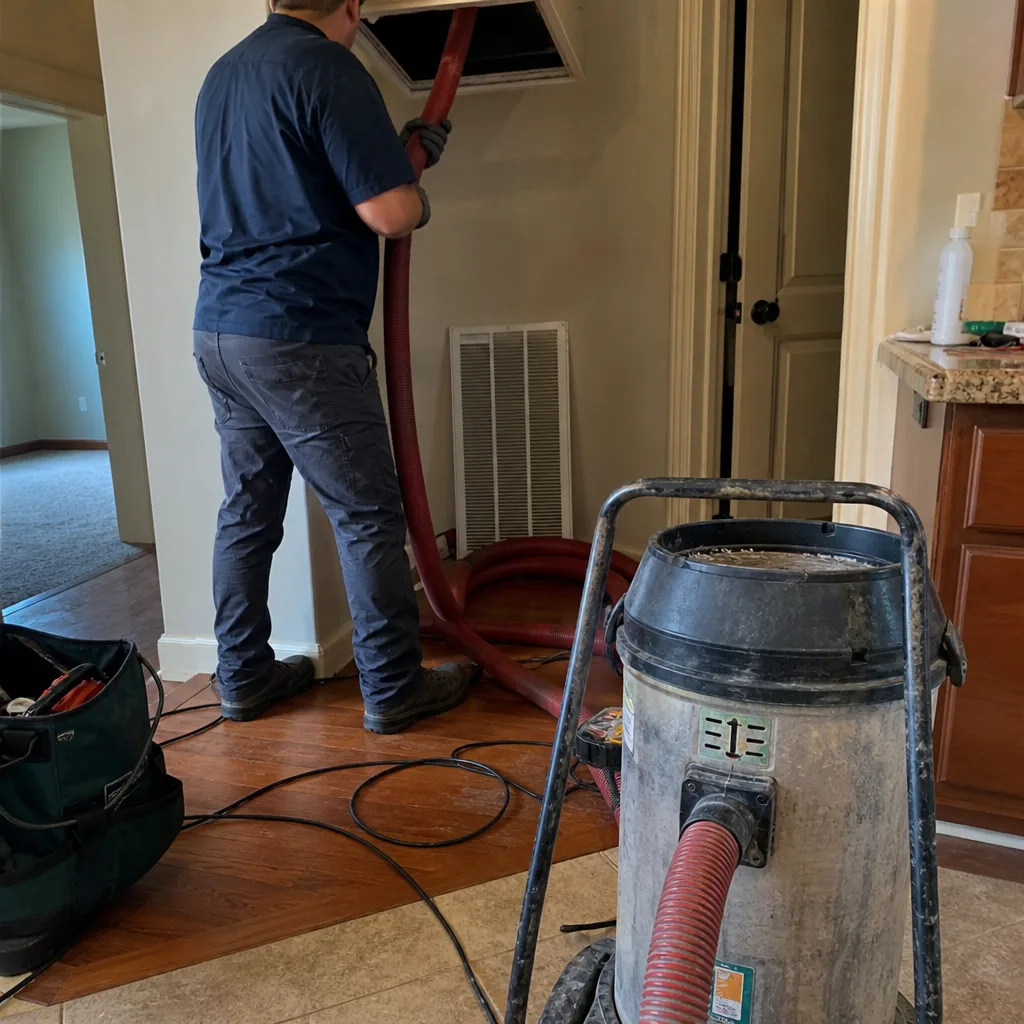 Before
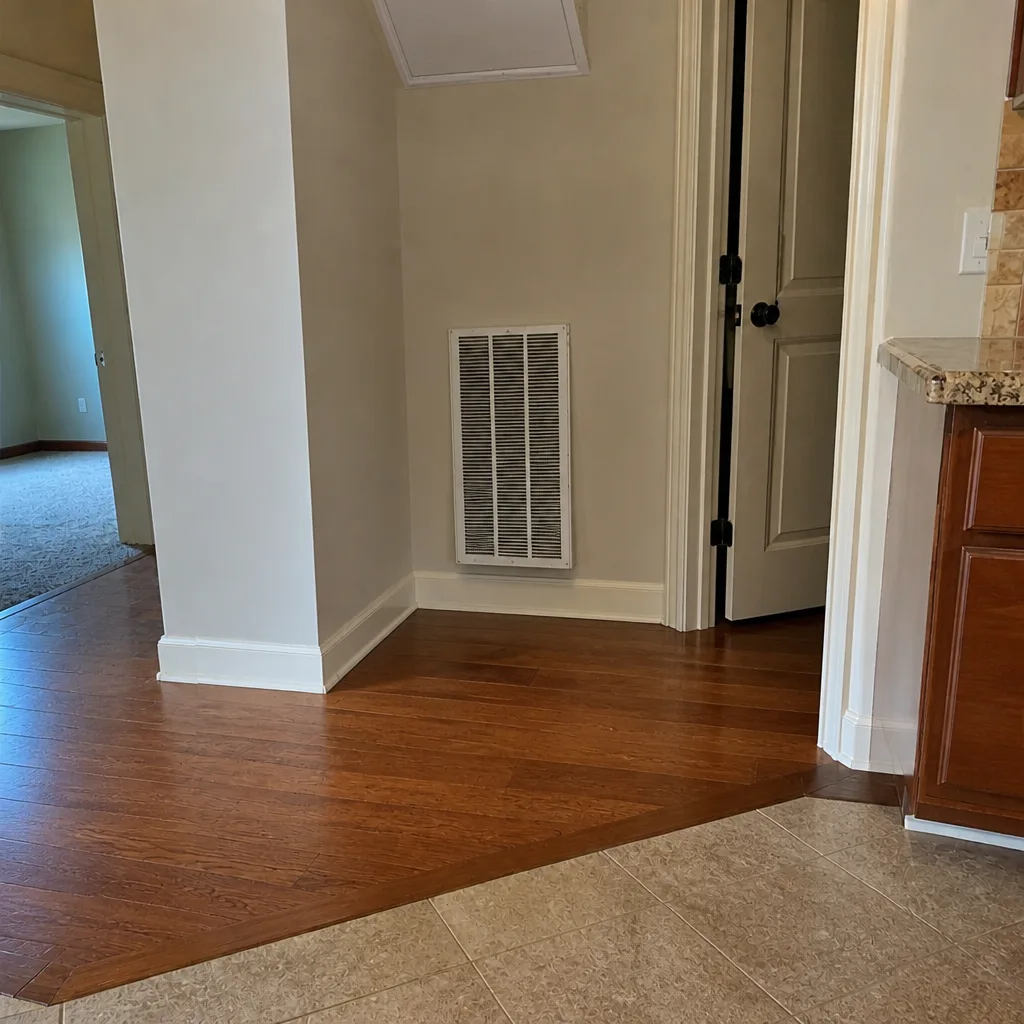 After
When to Call a Professional
If your ducts are visible through a register and you can see debris, or if airflow has dropped in a specific room, that’s a cleaning conversation. If you see a disconnected flex run in the attic, that’s a repair conversation that also involves a permit and a licensed contractor. If your dryer takes two cycles to dry a load, that’s a dryer vent call, and it’s a fire-safety matter. If there’s visible growth inside a duct or on an air handler component, get a licensed mold assessment before anyone touches it. If you’re buying or selling a house in Georgetown, get the duct system scoped during the inspection window so the permit and repair questions get answered before closing. Duct Cleaning Georgetown offers free estimates in Georgetown: call (844) 560-6431. We answer 24/7, with fast dispatch from 7am to 7pm, Sunday through Friday. See our Georgetown service details to start.
Frequently Asked Questions
No. Air duct cleaning is a maintenance service and doesn’t require a permit from the City of Georgetown or Williamson County. The moment the scope shifts to repair, reconnection, or modification, a permit likely applies and a licensed HVAC contractor must be involved. If a company quotes cleaning but ends up needing to repair, ask which scope you’re actually buying. Call (844) 560-6431 for a free estimate that spells out the scope before any work starts.
Cleaning is source removal from intact ducts; repair is restoring or altering the system itself. Texas treats repair as mechanical work, and mechanical work is regulated through licensing and permits. Cleaning isn’t. That distinction is the whole reason this guide exists, and it’s the question to ask any company before they arrive. If they can’t answer it clearly, they probably can’t help you avoid the legal exposure either.
Ask for their Texas Department of Licensing and Regulation (TDLR) HVAC contractor license number and look it up on the TDLR website. A licensed contractor will hand it over without hesitation. If the company only does cleaning, they may have no license at all, which is fine for cleaning and not fine for repair. Always ask what’s covered before the technician shows up. For a free estimate on Georgetown work, call (844) 560-6431.
It can. Policies often exclude damage caused by unpermitted mechanical work, which means an unpermitted duct repair that later causes water damage, mold, or a safety issue could leave you paying the full bill. The permit is the record your insurer or a buyer’s inspector can check. Keep the permit and inspection documentation with your home file. For an estimate that includes the right scope, call (844) 560-6431.
Stop the work on that component and ask for the repair scope in writing, including who’s pulling the permit and who holds the license. A cleaning crew shouldn’t patch a duct connection without that. If they can’t produce the documentation, don’t let them proceed. Book a licensed repair estimate instead. Call (844) 560-6431 for a free assessment of what your Georgetown system actually needs.
Sometimes. Homes built with duct board or older mastic materials may contain asbestos in components that shouldn’t be disturbed by a cleaning crew. Texas requires a licensed asbestos abatement contractor for any removal, and a licensed mold assessment for suspected growth. If your home predates the 1990s, ask the question before the job is scheduled. Call (844) 560-6431 and we’ll walk you through what applies.
The Bottom Line
Cleaning doesn’t need a permit; repair and modification do, and the difference is where most homeowners get caught short. In Georgetown, that means asking three questions before any company touches your ducts: what’s the scope, who’s licensed, and who’s pulling the permit if one is needed. Hold onto the documentation, whether it’s a service report or a city inspection record, because it’s what protects you at resale, with your insurer, and with your builder’s warranty. Equipment and process matter too. Rotary-brush systems, negative-air containment, and trained technicians are what separate a real cleaning from a hose in a register. We handle cleaning, repair, and dryer vent work as one scope so the accountabilities don’t get split. If you’re ready to know exactly what your system needs, call (844) 560-6431 for a free estimate. We answer 24/7 with fast dispatch from 7am to 7pm, Sunday through Friday.
Written by the team at Duct Cleaning Georgetown.