
Last updated November 16, 2026
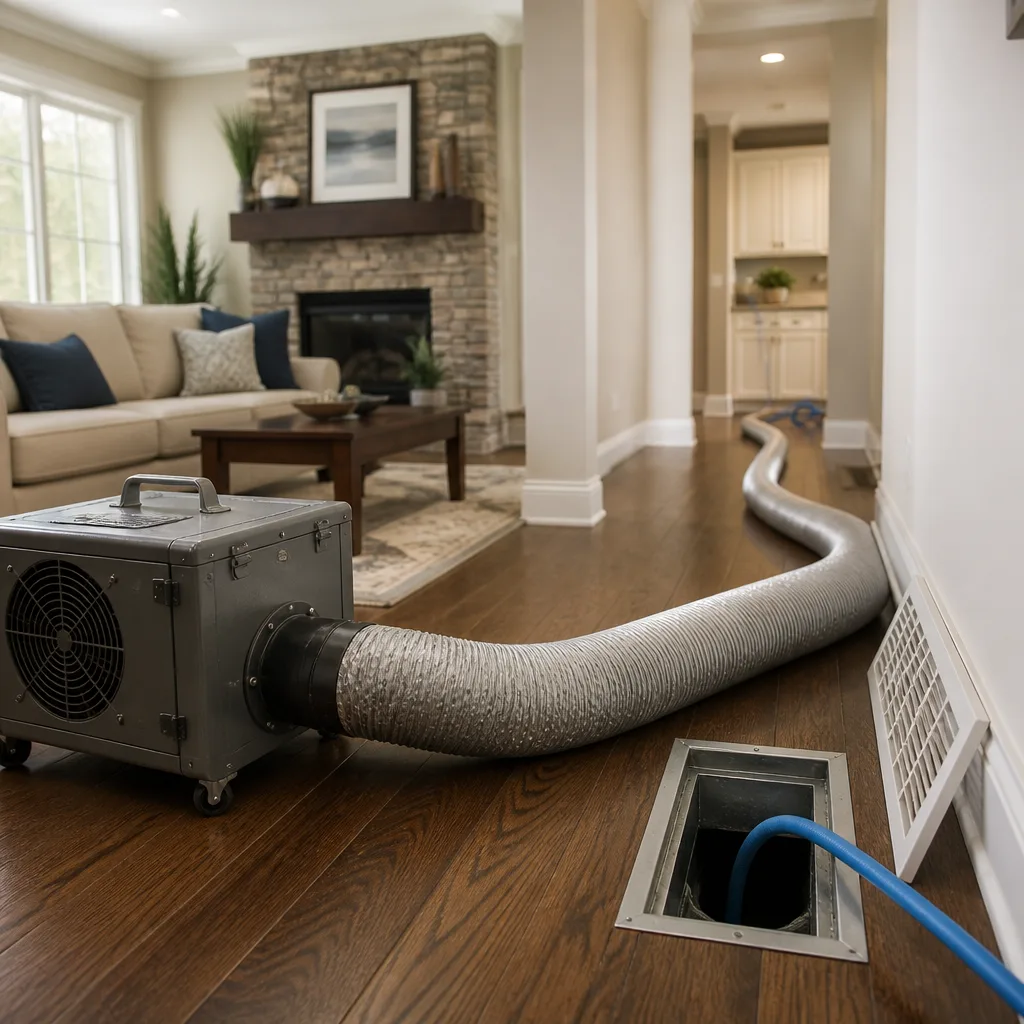 Whole-home duct cleaning
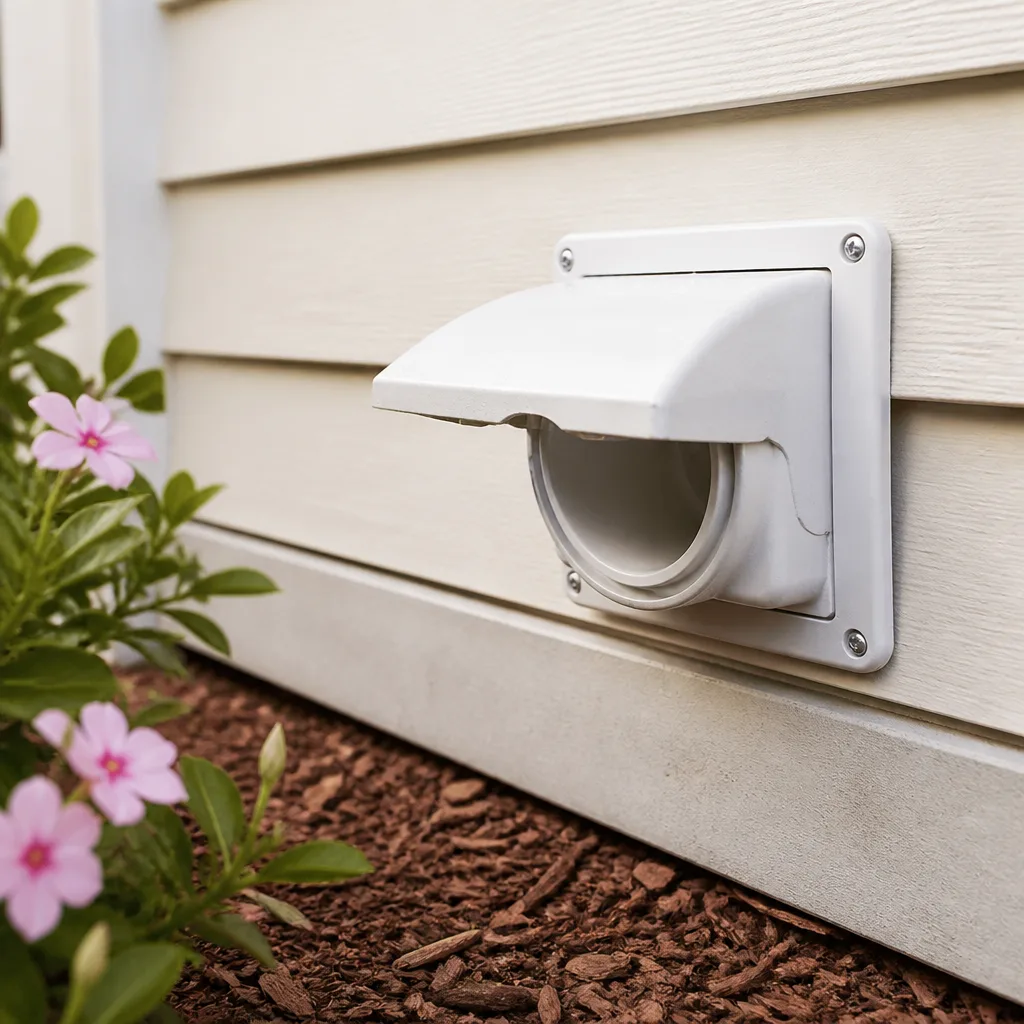 Dryer vent cleaning
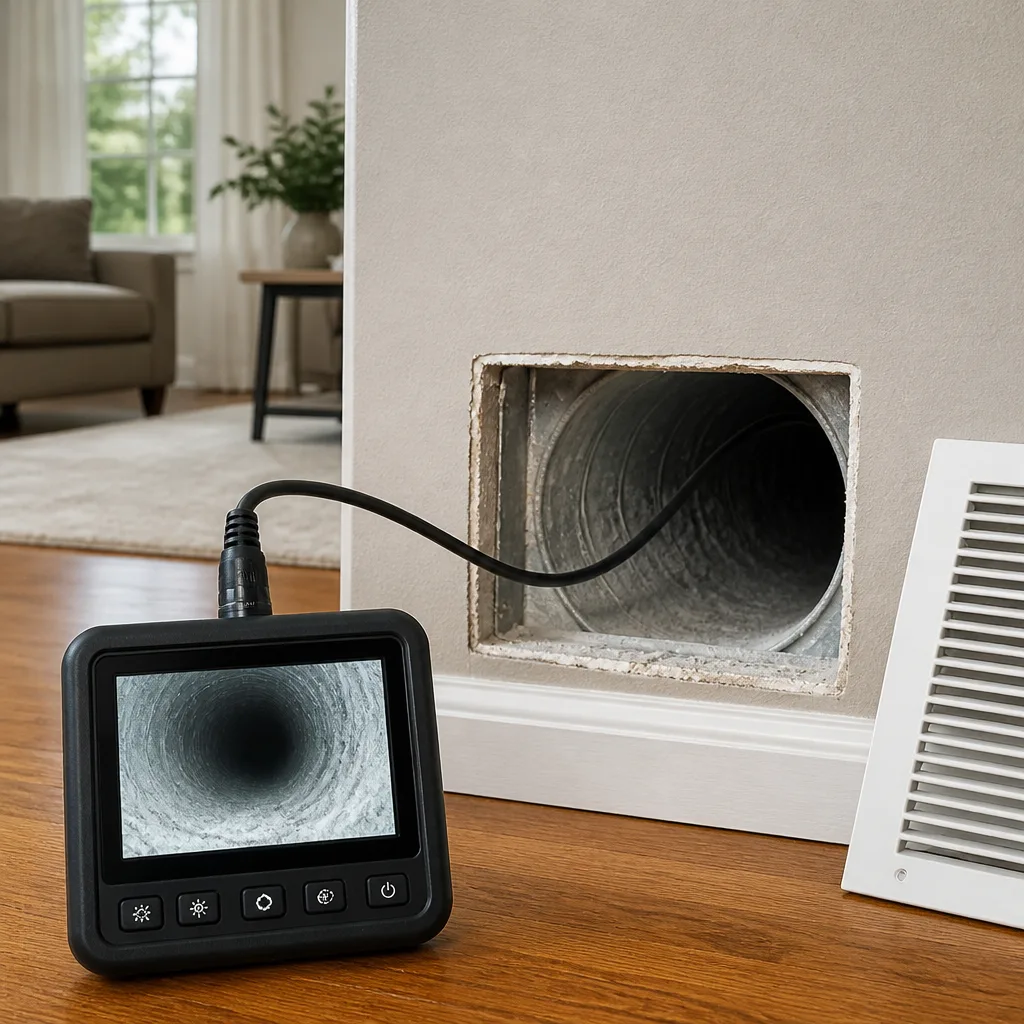 Camera inspection
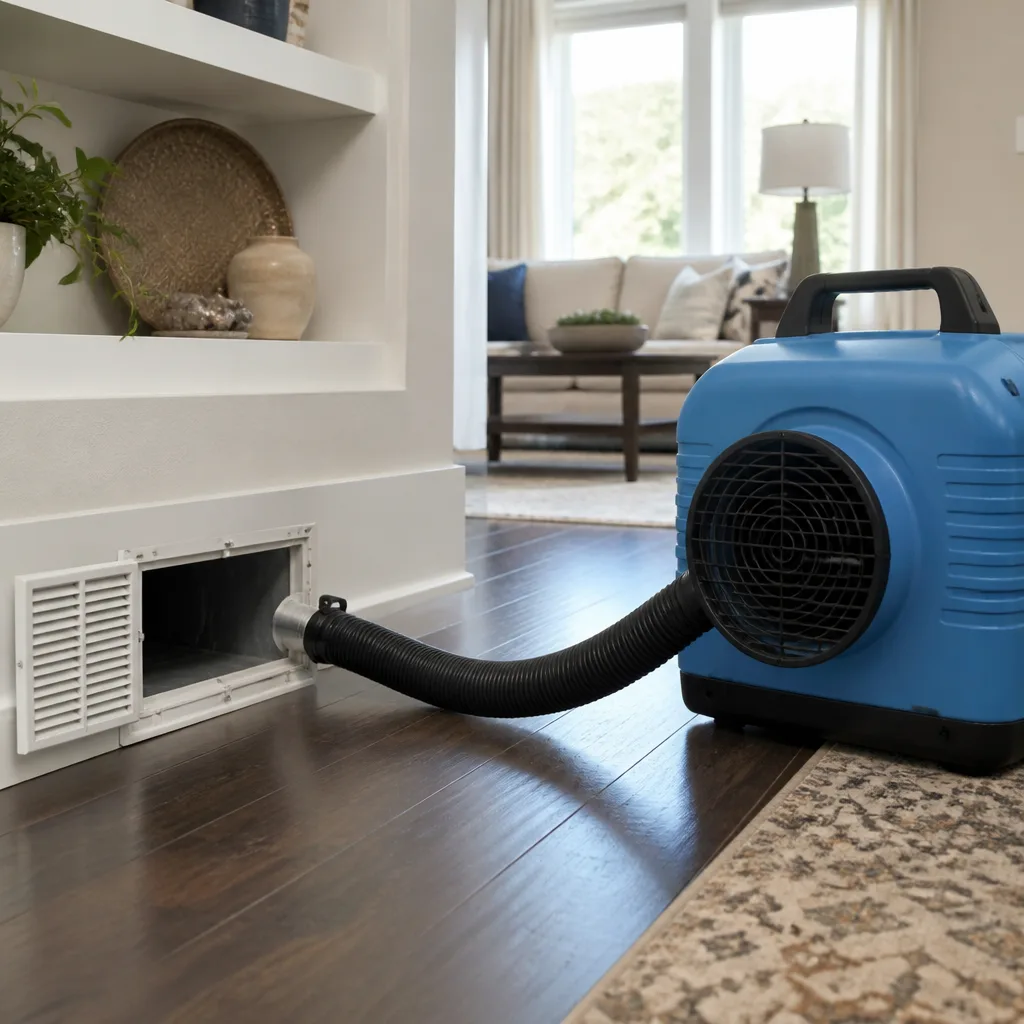 Sanitizing & deodorizing
Whole-system duct and dryer vent check with before-and-after photos - you see exactly what came out of your vents
That "$99 whole-house special" is a bait ad - the real number appears once they are in your hallway, or the "clean" is a shop-vac at the register. We photograph the inside of your ducts before and after instead.
Air Duct Cleaning Troubleshooting in Georgetown: Common Problems and How to Fix Them
If a room in your Georgetown home is still stuffy two days after you changed the air filter, the filter was never the problem. Something inside the duct run itself is restricting or contaminating airflow, and no filter swap will reach it. Most homeowners treat duct symptoms at the wrong layer: they swap filters, crack vents open, or nudge the thermostat down another degree, and the room stays stuffy anyway. The fault usually sits upstream, inside the ductwork, where dust cake, a collapsed flex run, or a loose joint quietly does its work. This guide walks you through how to read your system’s signals, inspect the first stretch of duct yourself, and tell the difference between a real Duct Cleaning Georgetown call and a twenty-minute homeowner fix.
Quick Answer
Air duct problems in Georgetown usually trace back to four causes: accumulated dust and debris inside the runs, disconnected or crushed flex duct, air leaks at joints and boots, and contaminated components like the blower or evaporator coil. Uneven room temperatures point to restricted airflow, musty odors point to moisture or microbial growth, and visible debris at registers points to a dirty trunk line. You can inspect the first 18 inches of a supply register yourself with a flashlight and phone camera. Anything deeper than that, especially a full trunk run on a slab foundation, needs contractor-grade extraction equipment to clear properly.
Styles & brands we work with
- Whole-home duct cleaning
- Dryer vent cleaning
- Camera inspection
- Sanitizing & deodorizing
Table of Contents
- Symptom-to-Cause Mapping: What Your Ducts Are Telling You
- How to Inspect Your Own Ducts in 20 Minutes
- Dust Cake vs. Mold vs. Pest Debris: What You’re Actually Looking At
- Why Georgetown’s Clay Soil Makes Duct Problems Worse
- Duct Cleaning vs. Duct Repair: How to Tell Which You Need
- The Decision Tree: What You Can Fix vs. What Requires Professional Equipment
- Dryer Vent Troubleshooting: A Separate Fire-Safety Problem
- Common Mistakes to Avoid
- When to Call a Professional
- Frequently Asked Questions
Symptom-to-Cause Mapping: What Your Ducts Are Telling You
Every duct problem produces a specific set of symptoms, and matching the symptom to the cause is the fastest way to know what you’re actually dealing with. Most homeowners lump every airflow complaint into “dirty ducts,” but the fault is often something else entirely. Here’s how the common complaints map to their real causes in Georgetown homes.
- Uneven room temperatures usually point to restricted airflow in one branch run: a crushed flex duct, a closed or blocked damper, or a boot disconnected from the register. The room isn’t getting enough air, and the trunk line is fine.
- Musty or “dirty sock” odors point to moisture or microbial growth inside the duct or on the evaporator coil, not just dust. If the smell gets stronger when the system first kicks on, the contamination is sitting inside the runs.
- Visible dust puffing from registers when the system starts usually signals a dirty trunk line or a leak pulling unfiltered attic air into the return.
- Rising utility bills with no change in use point to air leaks at duct joints or disconnected runs dumping conditioned air into the attic or crawlspace.
- Excess dust settling on furniture within days of cleaning points to a duct leak or a return-side gap pulling particulates into the system.
In our experience, the utility-bill symptom is the one homeowners miss longest. A disconnected flex run in an attic can bleed a noticeable share of your cooled air into a space nobody uses, and the system just runs longer to compensate. If your bill climbs in the summer while the house stays warm, check the ducts before you blame the equipment.
How to Inspect Your Own Ducts in 20 Minutes
You can learn a lot about your ductwork with a flashlight, a phone camera, and twenty minutes. This inspection won’t tell you everything, but it will tell you whether you have a surface problem or something deeper, and it gives you the vocabulary to describe what you’ve seen when you call.
- Turn off the system at the thermostat and wait for the blower to stop. You don’t want air moving while you’re looking inside a register.
- Start with the register showing the worst symptoms. Remove the grille if it’s held by screws or clips. Most residential supply grilles lift out or unscrew easily.
- Look into the first 18 inches of the boot and duct. Shine the flashlight at an angle so the light rakes across the surface. Dust cake shows up as an even, matte build-up. Mold appears as dark speckling or fuzzy patches. Pest debris looks like droppings, nesting material, or insect casings.
- Snap a photo with your phone camera and zoom in. This is the best way to see detail far back in the run, and it gives you a record to compare against later.
- Check every register in the house, not just one. Comparing a clean room to a dusty room tells you whether you have a whole-system problem or a single-branch problem.
- Look at the return grille and filter slot. A return that’s pulling visible dust past the filter is a sign the filter isn’t sealing, or the slot needs attention.
- Listen while the system runs. A whistling register usually means restricted airflow. A rattle or hum behind the wall can mean a loose internal liner or a duct joint working itself apart.
What you’re looking for is the difference between a normal surface dust film and a real obstruction. If the entire inside of the run is coated in a thick matte layer that’s heavier than a light film, you’ve got build-up worth addressing. If you see something that looks like dark speckling, stop before you touch it and read the next section.
Dust Cake vs. Mold vs. Pest Debris: What You’re Actually Looking At
Dust cake is the most common finding and the least alarming. It’s a dense, matte, brownish-grey layer of settled dust, skin cells, pet dander, and fibers that accumulates on the inside walls of the duct over time. It looks uniform, shows fingerprints if you reach in, and comes off with agitation. Cleaning handles it.
Mold looks different. It appears as dark speckling, fuzzy patches, or staining that’s clustered near the evaporator coil or in runs with condensation problems. If you see fuzzy growth or smell a persistent musty odor even when the system is off, that points to moisture inside the system, and cleaning alone won’t solve it. You need to find the moisture source, whether that’s a leaky coil pan, a condensation issue, or a disconnected run pulling humid attic air. An air duct cleaning service can address the growth, but the underlying moisture needs fixing or it will return.
Pest debris is the one to take seriously. Droppings, nesting material, or insect casings inside a duct are a contamination issue, not just a dust issue. Rodents and insects get into ductwork through gaps at the foundation, disconnected boots, and attic penetrations. If you find pest debris, don’t run the system until it’s been addressed, and don’t try to vacuum it out yourself with a shop vac. Airborne droppings are a genuine health concern. This is a professional job.
A thin, even film of light-grey dust across the entire system is normal. A thick matte layer, dark speckling, or anything that looks like it doesn’t belong is not.
Why Georgetown’s Clay Soil Makes Duct Problems Worse
Georgetown sits on expansive clay soil, and that matters for your ductwork in a way it wouldn’t in sandy or rocky ground. Clay swells when it’s wet and shrinks as it dries, and that seasonal movement puts pressure on slab foundations. When the foundation shifts, ductwork buried in or running under the slab can flex, pinch, or crack at joints.
Here’s what that produces above the floor. A flex duct run that was perfectly round and smooth when it went in can get pinched into an oval or crushed flat at a bend. That pinch point becomes a turbulence zone. Airflow slows, dust and debris drop out of the airstream and settle faster than they would in a smooth run, and the build-up compounds over years. Homeowners in older Georgetown neighborhoods with slab-on-grade construction tend to see this pattern more than newer builds with attic and crawlspace runs, but attic flex runs aren’t immune either: heat in the attic makes flex duct stiff, and a kink at the connector pinches it just as easily.
The practical takeaway: if your duct problem is concentrated in one area of the house and that area is over a slab, foundation shift is a candidate cause worth ruling out. A technician running a camera through the run can see the pinch inside the duct. You can’t see it from the register. We’ve pulled branches that looked fine at the grille but were crushed to a slit two feet in. That’s why a visual inspection of the first 18 inches, while useful, isn’t the whole story.
Our technicians have up to experience reading duct systems, and understanding how a specific local housing stock interacts with the ground underneath it matters as much as the equipment. Equipment does the work, but someone has to know what they’re looking at.
Duct Cleaning vs. Duct Repair: How to Tell Which You Need
This is the most useful distinction in the whole guide, and it’s the one most homeowners get wrong. Cleaning removes contamination. Repair fixes the physical structure of the duct system. You can clean a duct run that’s disconnected and the run will still be disconnected when the cleaning is done. If you have a structural problem, cleaning around it doesn’t solve it.
How to tell which you need:
- You need cleaning if: airflow is weak everywhere, the system is coated in dust cake, registers puff dust when the system starts, or the house has never had a proper duct cleaning and the build-up is heavy. The duct itself is structurally sound.
- You need repair if: one room is dramatically worse than the rest, you hear whistling or rattling, you see a disconnected boot at the register, a joint is separated in the attic, or the system loses cooled air into the attic. Cleaning a system with these problems just adds to the contamination that’s already leaking out.
- You need both if: the ducts are both dirty and physically compromised. This is common in older Georgetown homes where flex runs have been pinching for a couple of decades and pulling in dirt at the same time. Clean it after the repair, not before, so you’re not re-contaminating the cleaned system.
This is why we offer air duct repair as a standalone service. Most duct-cleaning-only operators can clean around a problem but can’t fix it, so you get a clean system that still leaks, and the contamination comes right back. We repair what other crews clean around.
The Decision Tree: What You Can Fix vs. What Requires Professional Equipment
Here’s the practical split. Some duct complaints are a twenty-minute homeowner fix. Others require a contractor-grade extraction system, and trying to do them yourself with consumer equipment is either wasted effort or a safety risk.
You can usually resolve these yourself
- Weak airflow to one room: check that the register is open, the damper isn’t closed, and the return isn’t blocked by furniture. Open and close each register fully to test.
- Whistling at a register: check the filter first, then the supply register for a partial obstruction. Replacing a clogged filter restores airflow in minutes.
- Minor dust film on a register face: wipe it with a damp cloth and replace the filter. If it stays clean for weeks, you’re fine.
- Frozen outdoor unit or icing: this isn’t a duct issue at all; turn the system off and call an HVAC technician, not a duct cleaner.
- Register grille rattling: a loose screw or bent clip is usually all it is.
These require professional equipment
- Heavy dust cake inside a trunk line: surface vacuuming doesn’t remove adhered build-up. It takes rotary-brush agitation to break the layer loose and a high-powered vacuum with a contained collection system to pull it out. We use Rotobrush rotary brushes and Nikro vacuum and collection systems for exactly this reason.
- Mold inside the duct or on the coil: this is a containment problem. Released spores can spread through the house when you disturb the growth. Abatement Technologies negative-air and filtration equipment keeps the work area under negative pressure so contaminants are contained rather than redistributed.
- Pest debris: a serious contamination issue that requires proper containment and disposal, not a shop vac. Don’t tackle this yourself.
- Disconnected or crushed flex run: you can’t reach it from the register, and if it’s behind drywall or in a tight attic, you shouldn’t try. It needs repair.
- System-wide contamination after a renovation or water event: a full extraction and a containment setup, which is professional scope.
The line between these two lists is clean: surface issues you can reach with your hand are yours. Everything inside the trunk line, behind the boot, or bonded to the duct wall is a professional job. No consumer vacuum will pull adhered build-up off a duct wall, and none of them will contain what comes loose.
See the difference
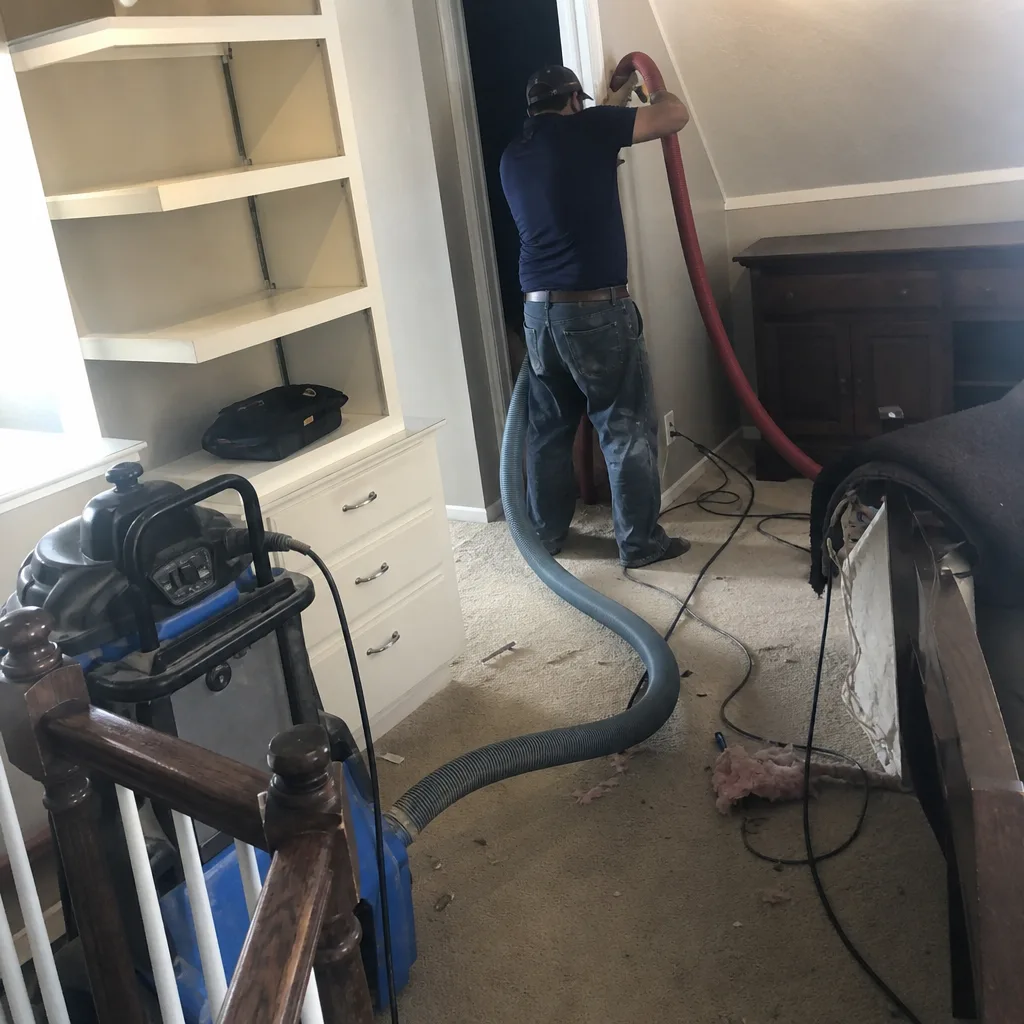 Before
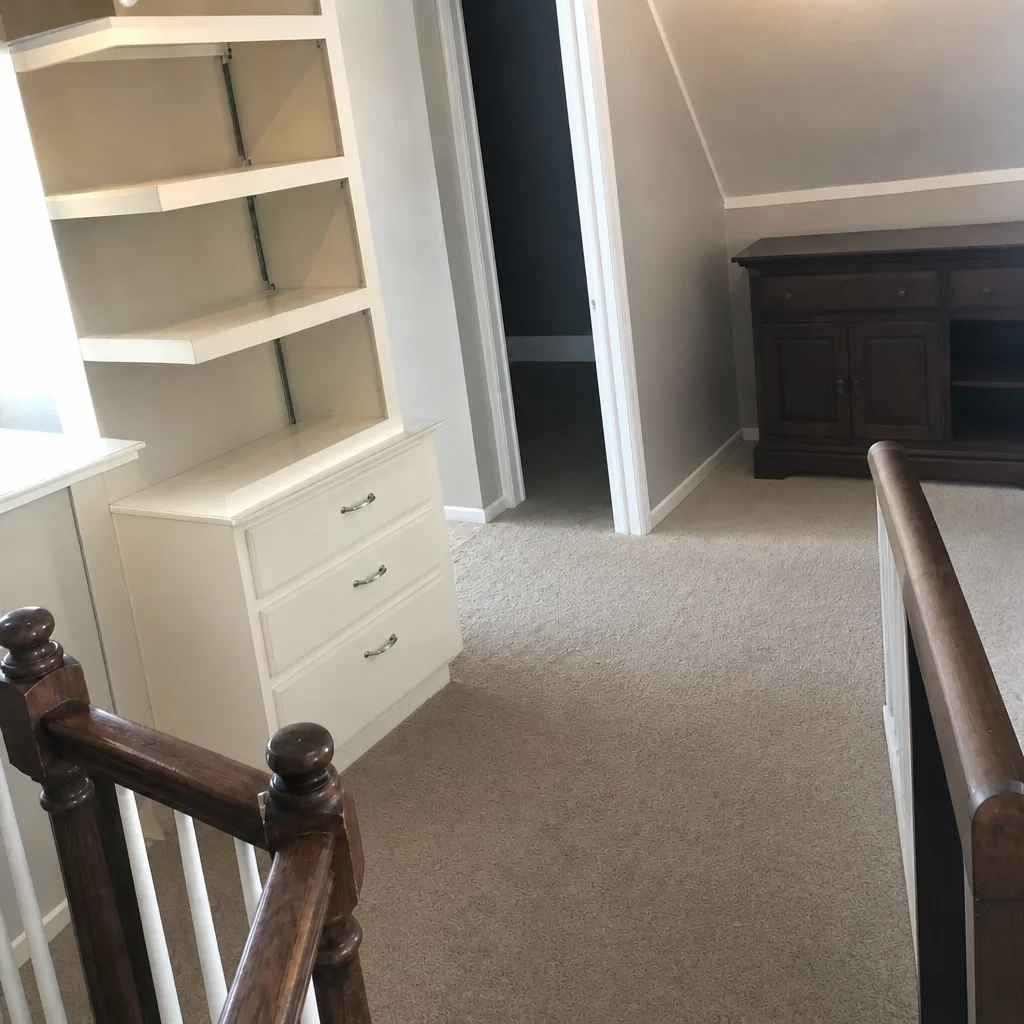 After
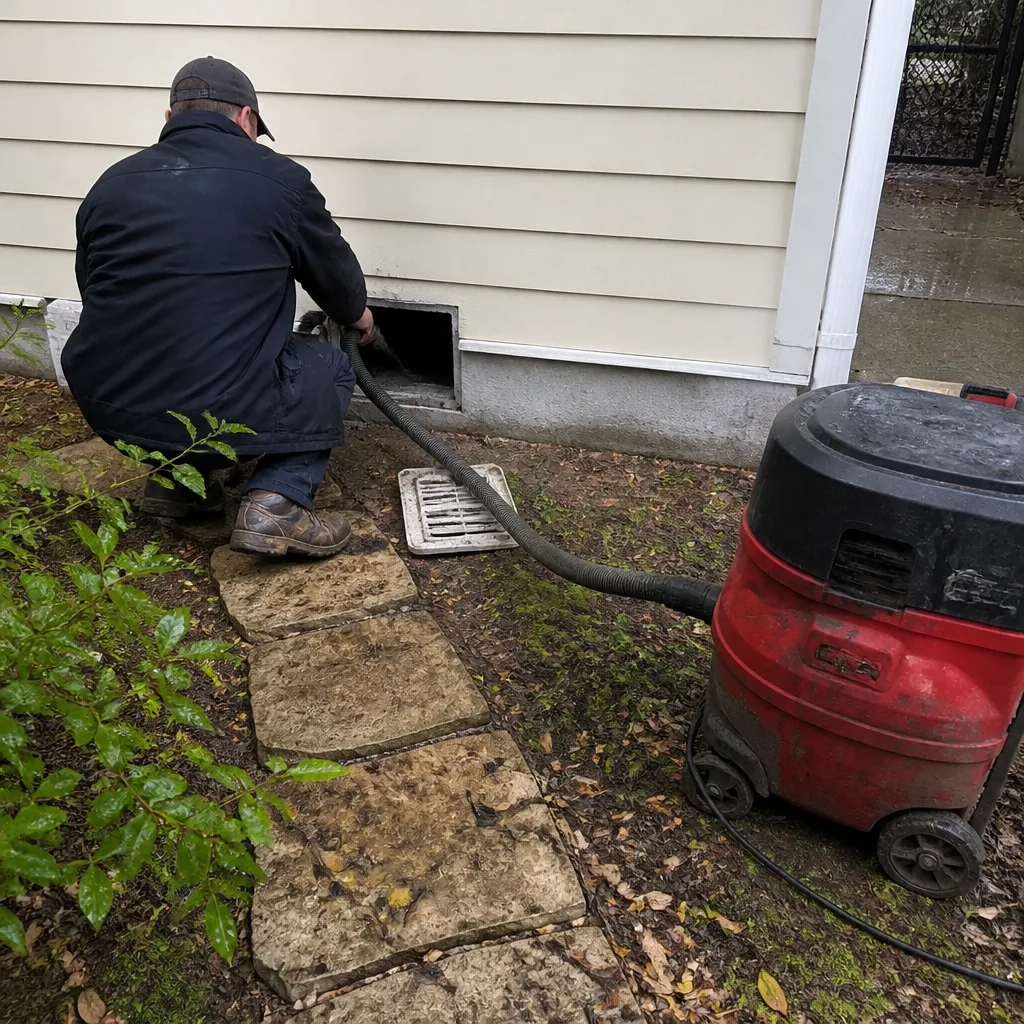 Before
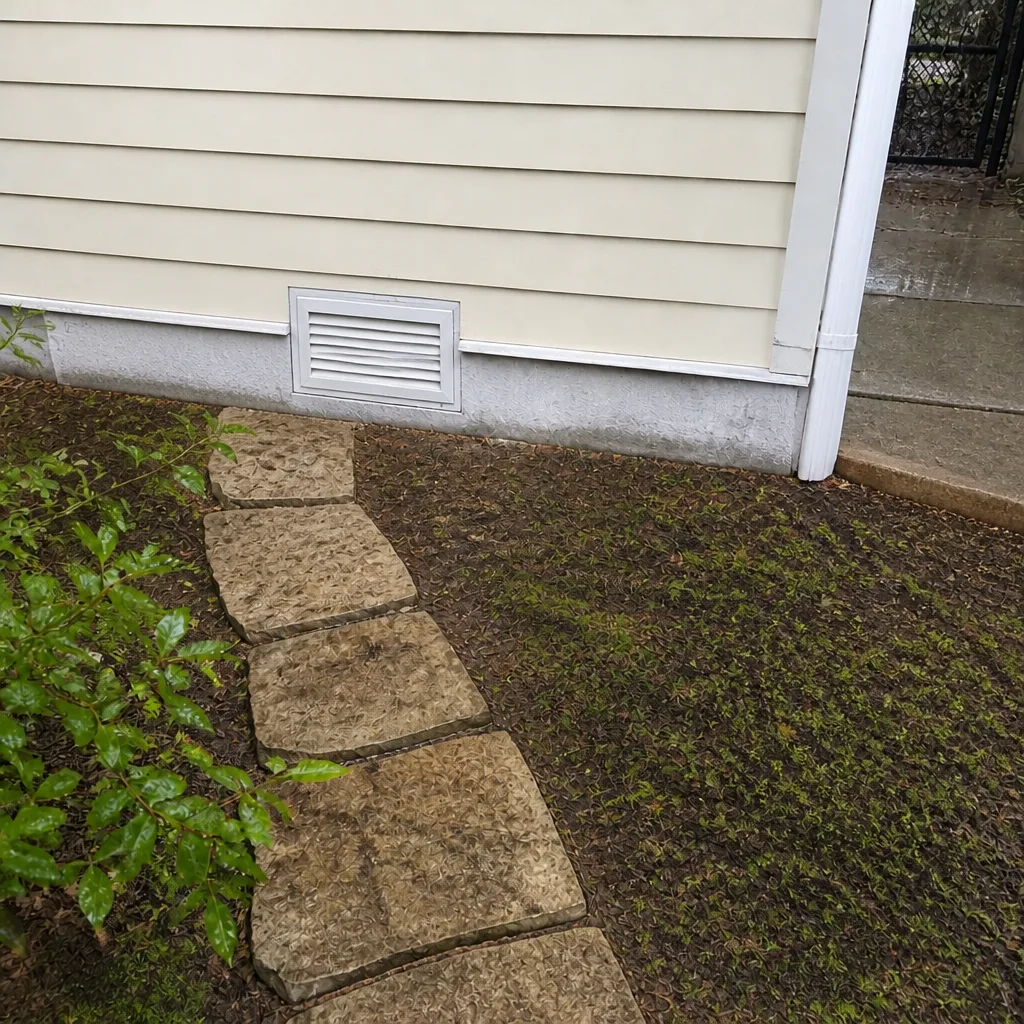 After
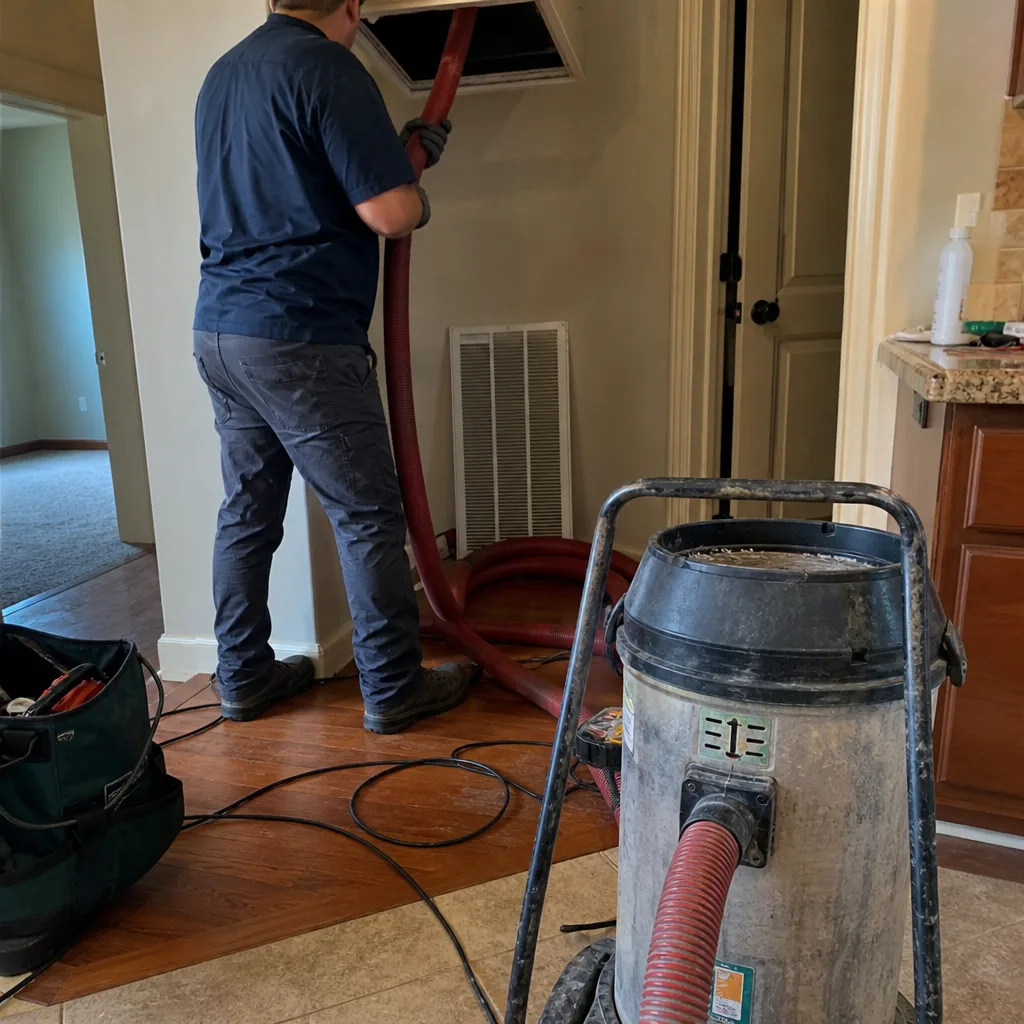 Before
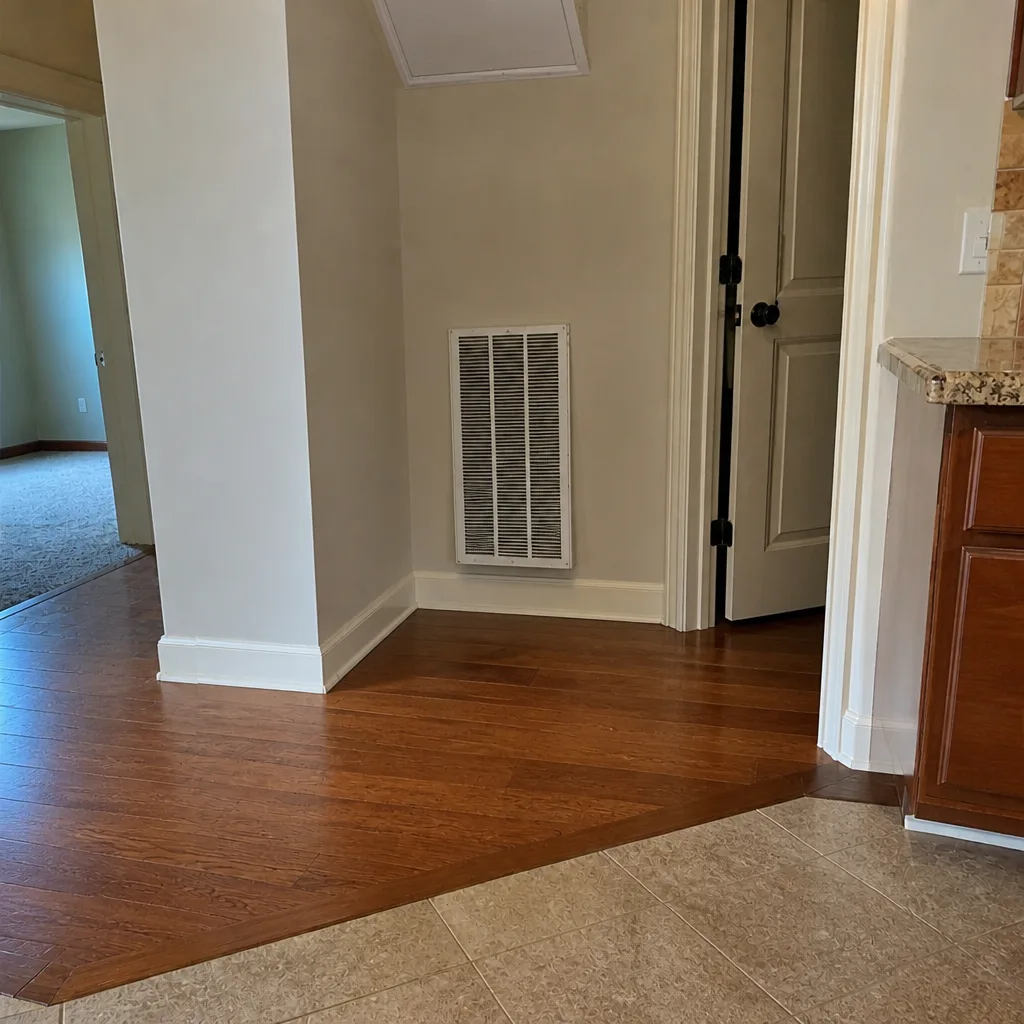 After
Restoring System Balance After Cleaning
Once the ducts are clean and structurally sound, the system needs to be brought back into balance. Cleaning a system with the registers wide open and the thermostat cranked doesn’t set you up for good results. Here’s how to settle things back in and confirm the work made a difference.
- Re-check every register. Make sure grilles are seated and every supply and return is open. A register left closed after service creates a dead-end run.
- Use a fresh filter of the right size and rating. A clean system deserves a clean filter. Match the size on the old filter and check the airflow rating so you’re not over-restricting the system. Honeywell and Aprilaire filters are common in Georgetown homes, and matching the right model matters more than buying the highest-rated one on the shelf.
- Run the system and walk the house after an hour. Note which rooms cool first and which lag. If the picture is dramatically better everywhere, the cleaning did its job. If one room still lags, that’s a distribution problem worth a second look.
- Watch for returning dust. A thin film after a few days is normal. Visible dust settling within 48 hours means filtered air isn’t reaching everywhere, which points to a leak or a disconnected run.
- Note the date. Whatever you had done, write it down. Next time you have a symptom, you’ll be able to tell whether your ducts are dirty again or something new is going on.
If your system has integrated air quality equipment, like an in-duct media filter or a humidifier tied into the return, it helps to have a technician who knows those components. Our teams are trained on Honeywell and Aprilaire system components, which means we assess the whole air quality setup, not just the ducts in isolation. You can see our broader Duct Cleaning Georgetown service page for the full scope.
Dryer Vent Troubleshooting: A Separate Fire-Safety Problem
Dryer vents get lumped in with duct cleaning, but they’re a different system with a different failure mode and a more serious consequence. A clogged dryer vent doesn’t make your house dusty. It makes it a fire risk, and a leading cause of residential structure fires.
The warning signs are specific. Clothes take longer than one cycle to dry. The dryer gets hot to the touch on the cabinet. There’s a musty smell in the laundry area. You can see visible lint inside the vent hood outside. The vent hood flapper doesn’t open fully when the dryer is running. If any of those are true, the vent needs attention.
The vent run itself is where the problem usually lives. Lint builds up at every bend, especially at the transition from the back of the dryer to the wall, and at the exterior hood. A long or corrugated run collects lint faster than a short, rigid one. You can pull the dryer out and clean the first foot or so yourself, but once the run goes through a wall or a long vertical stretch, the only reliable way to clear it is with the right equipment. That’s why we treat dryer vent cleaning as a dedicated fire-safety service, not an upsell tacked onto an air duct job.
If you notice any of the warning signs above, don’t wait. The dryer vent is a fire-risk checklist item, not an afterthought. Have it checked and cleared properly.
Common Mistakes to Avoid
- Vacuuming a duct run with a shop vac. Consumer vacuums have no containment, so they pull dust into the room instead of out of the duct. Worse, they can’t break adhered build-up loose, so you get a cloud of disturbed dust and no real cleaning.
- Buying the most restrictive filter you can find. A high-MERV filter on an older system can strangle airflow and make the whole-house symptoms worse. Match the filter to the system, not to a marketing claim.
- Cleaning around a structural problem. If a run is disconnected or crushed, cleaning it just re-contaminates a system that still leaks. Fix the structure first, then clean.
- Assuming one dirty room means the whole system is dirty. A single bad branch is usually a distribution problem, not a duct cleaning problem. Checking every register before you call saves you a wasted visit.
- Skipping the dryer vent because “it’s not an air duct.” It’s a separate fire-safety system. It needs its own cleaning schedule, and putting it off is the most dangerous choice on this list.
- Ignoring a musty smell because the airflow is fine. Odor is a signal, and it usually means moisture inside the system. If cleaning doesn’t fix it, call someone to find the moisture source.
- Hiring the cheapest operator without seeing the equipment. A shop vac and a leaf blower aren’t duct cleaning equipment, and the price tells you nothing about what will actually be done inside your ducts. We bring Rotobrush rotary brushes and Nikro extraction gear on every job, and we use Abatement Technologies filtration to keep the work contained.
When to Call a Professional
Call a professional duct specialist when your symptom points to contamination inside the trunk line, a structural problem you can’t see from the register, or any kind of pest debris. That means heavy dust build-up inside a run, a musty odor that doesn’t clear, a disconnected boot or crushed flex duct behind a wall, visible mold growth inside the ductwork, or signs of rodents or insects in the system. Those problems need real extraction and containment equipment, not a consumer vacuum.
It also means any dryer vent problem. Lint build-up is a fire risk, not a dust nuisance, and the vent run is the wrong thing to experiment on.
Duct Cleaning Georgetown offers free estimates in Georgetown, and we’ll tell you straight whether you need a cleaning, a repair, or both before work starts. Call (844) 560-6431. We answer 24/7. Fast dispatch from 7am to 7pm, Sunday through Friday.
Frequently Asked Questions
The filter wasn’t the problem, so something inside the duct run is restricting airflow to that room. The most likely causes are a crushed flex duct at a bend, a closed or blocked damper, a disconnected boot at the register, or heavy build-up in a single branch. Checking that register with a flashlight and inspecting the first 18 inches of the run is the fastest way to narrow down which it is. If the problem lives deeper than you can reach, call (844) 560-6431 for a free estimate.
Most homes need a cleaning every three to five years, assuming the system is properly filtered, well-sealed, and the ducts aren’t drawing in attic or outdoor air. Homes with pets, recent renovations, or visible downstream debris need it more often. The honest answer is to base it on symptoms, not the calendar: if your registers are dumping dust and the build-up in the first 18 inches of the run is thick, it’s time. If you have a pinch or leak in the duct, calling a team that can repair the structure matters more than anything. Call (844) 560-6431 and we’ll help you decide what’s actually due.
The cheapest quotes usually reflect a smaller scope, consumer equipment, or a low teaser price that grows once a technician is on site. The real question isn’t price per vent or a coupon number, it’s whether the equipment can actually remove adhered build-up and contain it. Our pricing is a flat price per system, agreed before work starts, with before-and-after photos so you can see the difference. Call (844) 560-6431 for an exact estimate.
The most reliable check is before-and-after photos of your own ductwork, and that’s part of what we provide. Look for photo documentation of the interior of the runs, not just a picture of the outside of the equipment. If an operator can’t or won’t document the interior before and after, that’s a red flag. Call us and ask what documentation you’ll get for your Georgetown home before you book anywhere else.
Georgetown sits on expansive clay that swells and shrinks with moisture and puts pressure on slab foundations. That seasonal movement can pinch, crush, or crack duct runs that go through or under the slab, creating turbulence zones where debris settles faster than it would in a clean run. If your duct problem is concentrated in one area of the house over a slab, it’s worth having a technician look inside the run with a camera, not just at the register. Call (844) 560-6431 for a free estimate.
No, a shop vac won’t clean a duct properly. It doesn’t have the suction to pull adhered dust cake off a duct wall, and it has no containment, so it pushes disturbed debris into the room instead of out of the system. It also can’t reach the trunk line or the far end of a run. The professional approach uses rotary brush agitation to break the build-up loose and a high-powered vacuum with a contained collection system to extract it, running under negative pressure so contaminants stay out of your living space. Call us and we’ll show you what the proper setup looks like.
It’s a reasonable call, especially if you don’t know the duct history and the home has older slab-on-grade construction. Have a professional inspect the system first: if the ducts are dirty but structurally sound, cleaning is appropriate. If there’s a pinch or disconnected run, repair first, then clean. We look at both before recommending anything, so you’re not paying for a cleaning that masks a worse problem. Call (844) 560-6431 for a free estimate.
The Bottom Line
Most duct problems in Georgetown aren’t solved by a new filter or a wider-open register. They’re solved by finding the real cause: build-up inside the run, a leak or pinch at a joint, a disconnected boot, or contamination from moisture or pests. Check the easy things first, inspect your own registers with a flashlight and phone, and know where the line is between what you can reach and what needs rotary-brush agitation and negative-pressure extraction. If you’re unsure which side of that line you’re on, have a technician look before you spend. We offer all three services (cleaning, duct repair, and dryer vent cleaning) under one provider so the diagnosis and the fix come from the same place. Visit our Georgetown page to see how we work in the area. Free estimates: call (844) 560-6431. We answer 24/7. Fast dispatch from 7am to 7pm, Sunday through Friday.
Written by the team at Duct Cleaning Georgetown.