
Last updated November 16, 2026
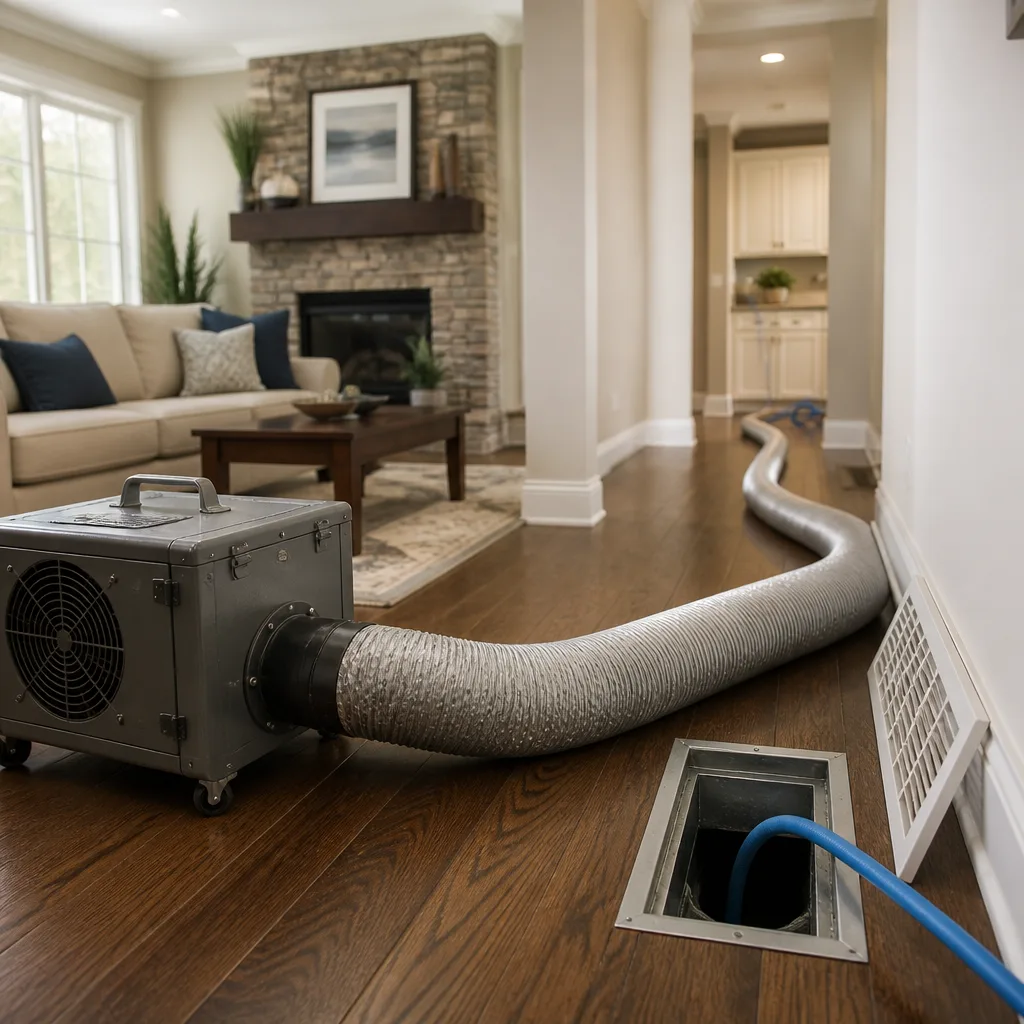 Whole-home duct cleaning
 Dryer vent cleaning
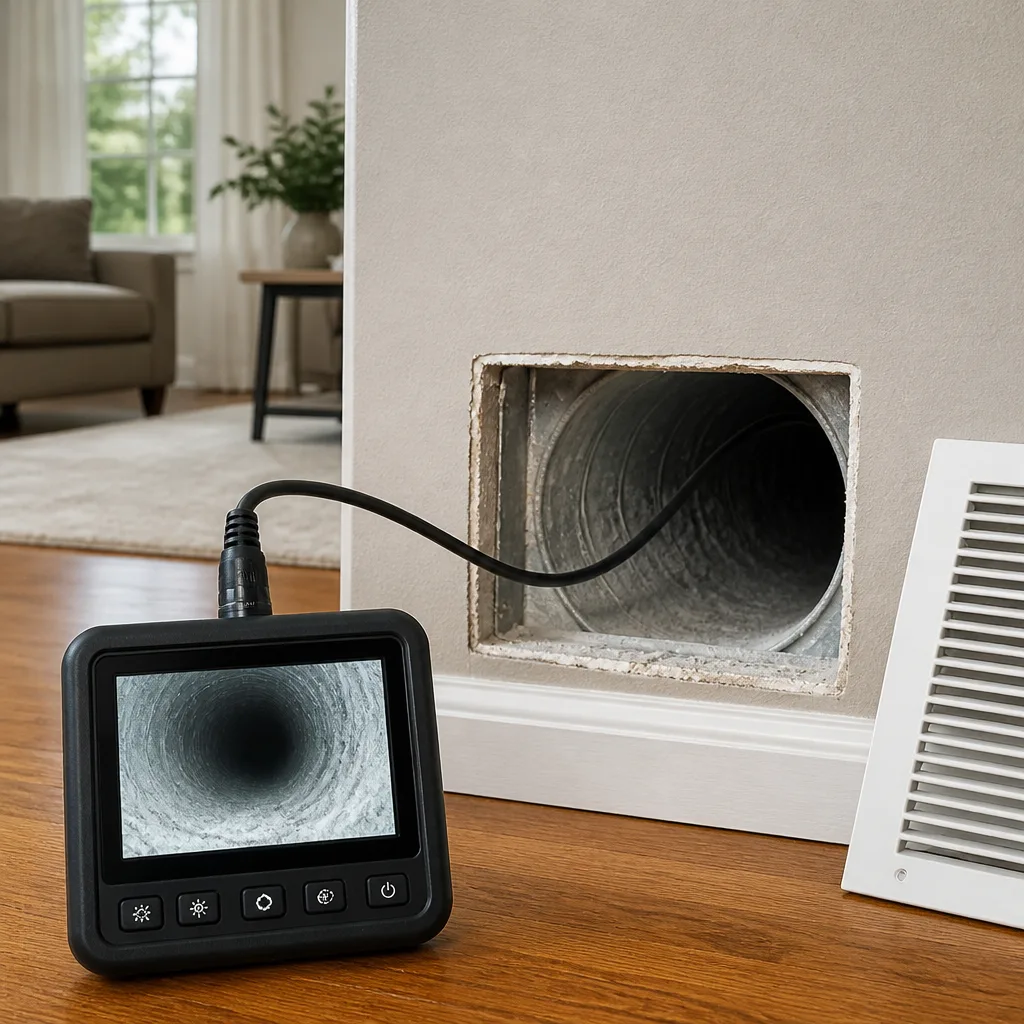 Camera inspection
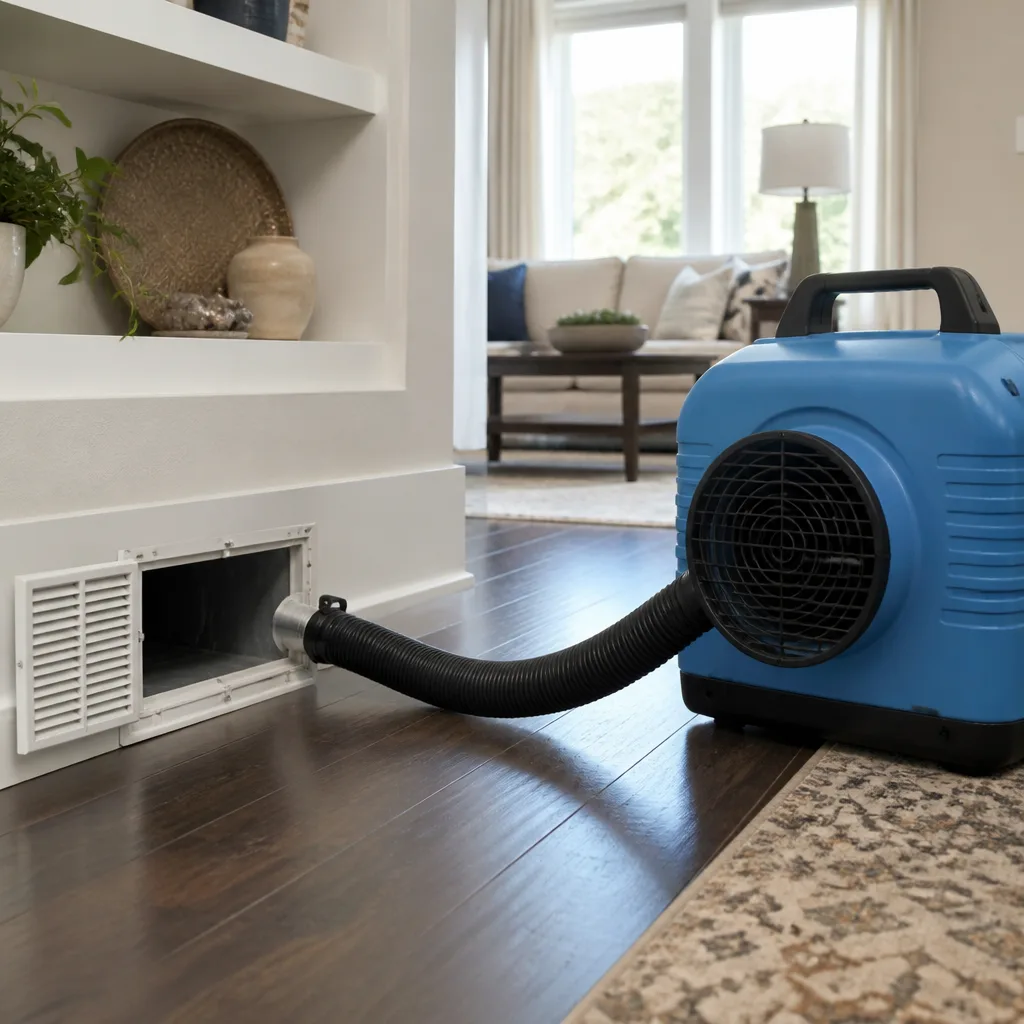 Sanitizing & deodorizing
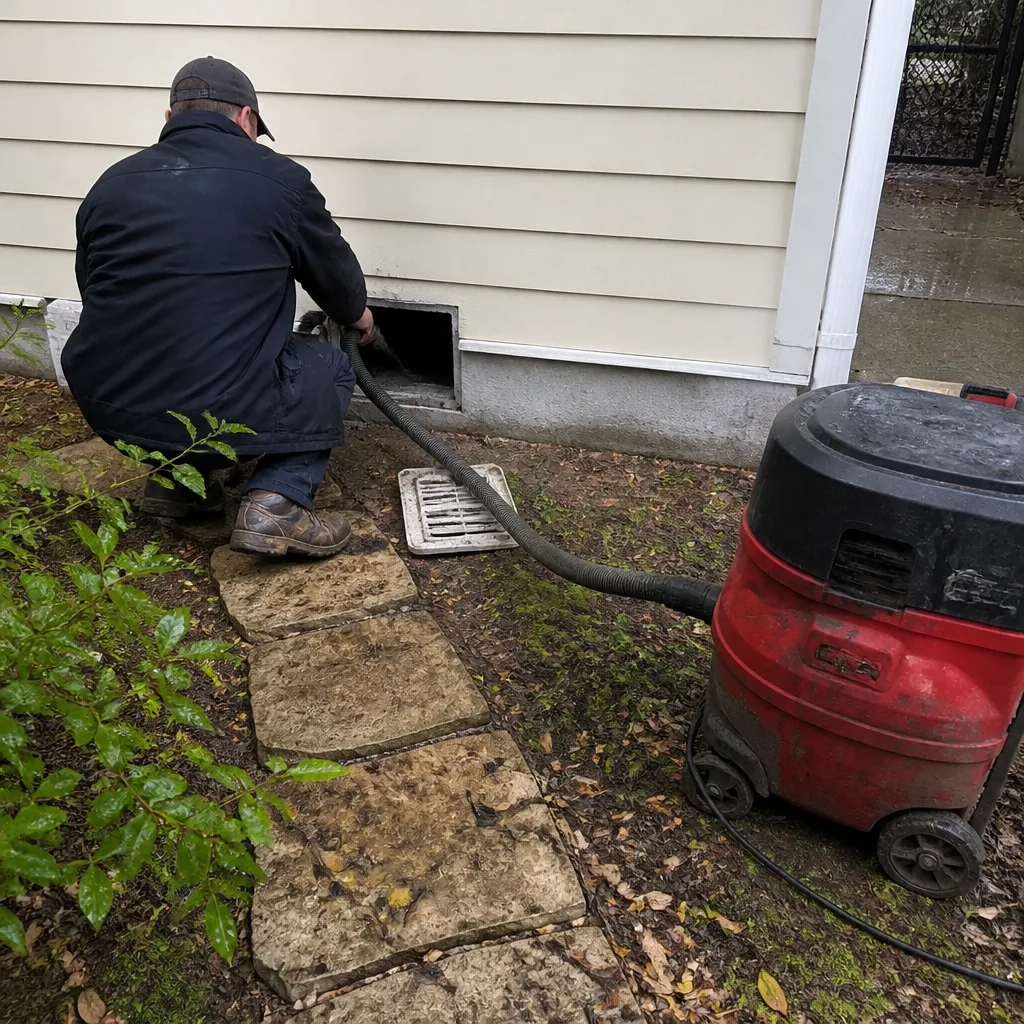
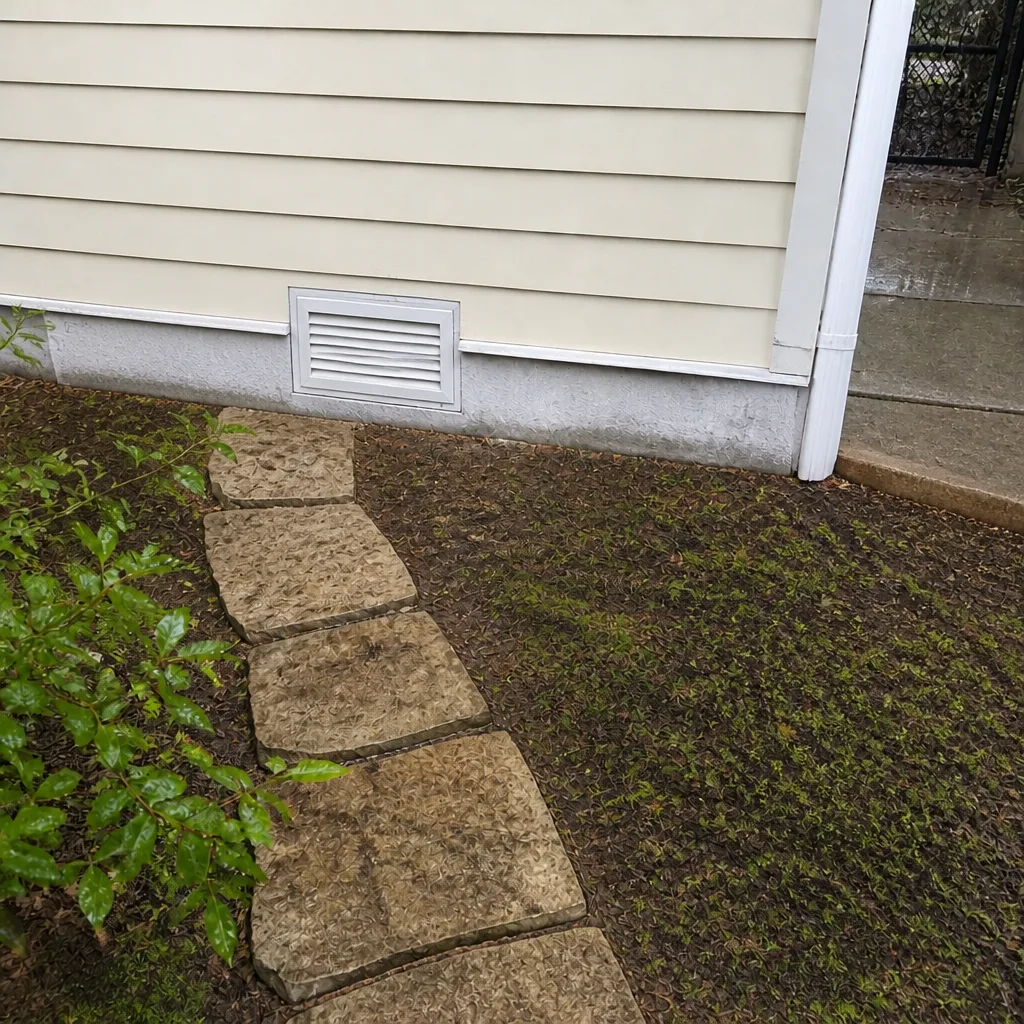
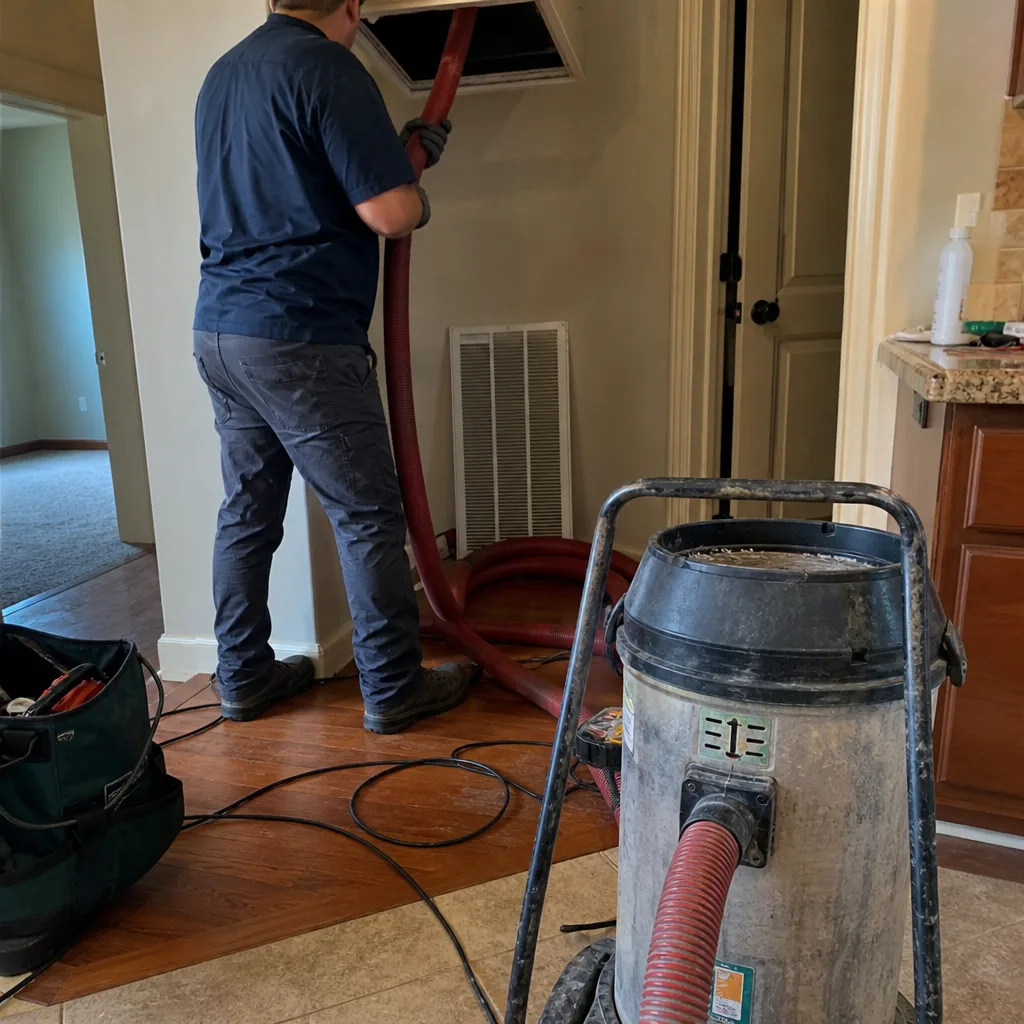
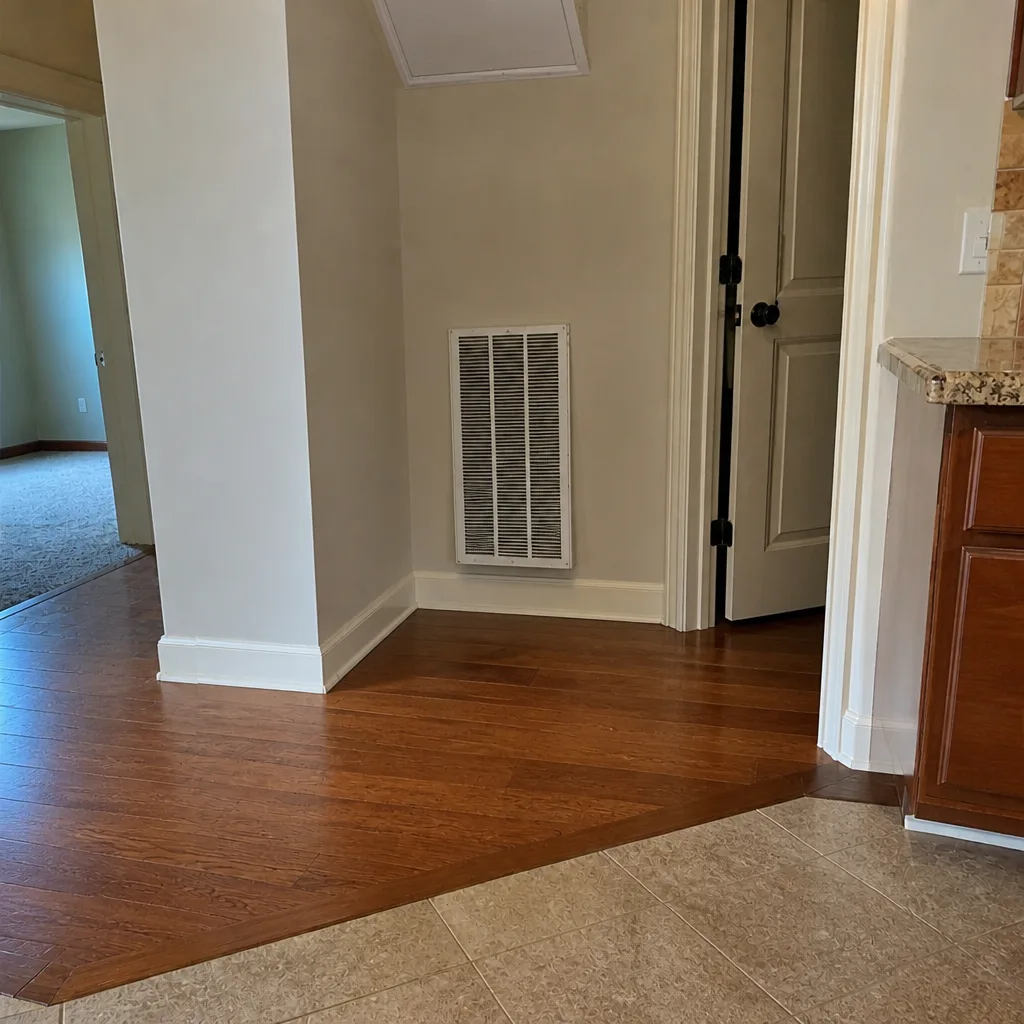
Whole-system duct and dryer vent check with before-and-after photos - you see exactly what came out of your vents
That "$99 whole-house special" is a bait ad - the real number appears once they are in your hallway, or the "clean" is a shop-vac at the register. We photograph the inside of your ducts before and after instead.
Seasonal Air Duct Cleaning Care for Georgetown: Year-Round Homeowner’s Guide
Most homeowners treat air duct cleaning as a once-a-year box to check, usually in whatever month they happen to remember. That thinking misses how ductwork actually loads up in central Texas. Georgetown sits in a climate where the air conditioning runs hard for months, cedar pollen arrives in winter, and spring rains push humidity into the walls before summer heat bakes it in. Each of those seasons leaves a different layer behind. One cleaning date, wherever it lands, can’t catch all four. This guide breaks the year into separate diagnostic windows so you know what’s building up, what to look for, and the right time to act.
Quick Answer
In Georgetown, air ducts collect different contaminants in each season: cedar pollen in winter, mold-opportunity humidity in spring, moisture and dust during peak AC months in summer, and fireplace particulate in fall. A single annual cleaning misses most of this. The most practical schedule is a full professional cleaning in early fall, before heating season, paired with seasonal filter checks and a post-spring inspection of the duct interior.
Styles & brands we work with
- Whole-home duct cleaning
- Dryer vent cleaning
- Camera inspection
- Sanitizing & deodorizing
Table of Contents
- Why Georgetown Ducts Have Four Stress Seasons, Not One
- Winter (December-February): Cedar Allergen Loading
- Spring (March-May): Post-Cedar Inspection and Mold Risk
- Summer (June-September): Peak Runtime and Moisture Signs
- Fall (October-November): The Best Window for a Full Cleaning
- Using Seasonal Filter Checks as a Leading Indicator
- Month-by-Month Action Checklist for Georgetown Homeowners
- Choosing a Duct Cleaning Provider: What Separates Real Work from Surface Work
Why Georgetown Ducts Have Four Stress Seasons, Not One
Ductwork is a passive system. It doesn’t generate contamination; it captures whatever the airstream carries and holds it on interior surfaces. In a milder climate like ours, that capture happens in distinct waves tied to what’s airborne outside and how hard your HVAC equipment works inside. Cedar season, spring humidity, summer cooling load, and fall’s first furnace runs each contribute a different material.
The practical problem is layering. Particles don’t replace each other. Fine winter pollen settles into dust that accumulated the previous summer. Spring moisture can bind those layers together against the duct wall. By the time you notice reduced airflow in a Georgetown home, the buildup isn’t a single substance but a stack of them. A cleaning that only vacuums the loose top layer leaves the rest behind.
That’s why thinking seasonally matters more than thinking annually. When we assess a system, we look at what season the home is entering, what equipment is about to run, and what evidence the interior surfaces show. A whole-system approach, informed by familiarity with components from Aprilaire and Honeywell equipment, catches what a generic pass-through misses.
Here’s the framework:
- Winter: Cedar pollen drawn indoors and redistributed by heat cycles.
- Spring: Post-rain humidity creating the year’s highest mold-growth opportunity.
- Summer: Peak AC runtime, condensate issues, moisture infiltration.
- Fall: Fireplace particulate and the ideal window for a full cleaning.
Each of the sections below treats one season as its own diagnostic window. For homeowners ready to schedule a professional assessment, our Duct Cleaning Georgetown page covers the full service.
Winter (December-February): Cedar Allergen Loading
Cedar pollen is a winter event in central Texas, not a spring one. It arrives when many residents assume the outdoor allergy season is over, which is why its effect on indoor air goes unnoticed. Cedar particles are fine. They slip through standard filters more easily than larger dust. Once inside, they settle into ductwork and register pads, then get pushed back into living spaces every time the heater cycles.
What’s happening inside the ducts
During heating months, warm air rises and the system pulls cool return air from low in the home. That return air carries whatever the filter passed. Fine cedar particles collect on interior duct surfaces and, because they’re light, stay loosely attached. Each heat cycle lifts some back into the airstream. The result in many Georgetown homes is the pattern homeowners describe as “winter allergies that come out of nowhere” – sneezing, irritated eyes, and dust on surfaces that returns quickly after cleaning.
What to watch for
- Dust settling on horizontal surfaces faster than usual even with cleaning.
- Increased allergy symptoms that track with furnace runtime.
- A visible film on return registers that’s finer and lighter than summer dust.
What to do in winter
- Change or clean your filter more frequently during the cedar peak, and use a filter rated to catch fine particles.
- Inspect return registers for the fine, pale dust film that signals cedar loading.
- Avoid opening windows on high-pollen days; that’s the fastest route for cedar into the duct system.
- If symptoms and dust both escalate, schedule an inspection so the duct interior can be assessed directly.
Winter isn’t usually the ideal time for a full cleaning. But it’s the season to document how much fine material is accumulating, which informs the spring and fall decisions below.
Spring (March-May): Post-Cedar Inspection and Mold Risk
Spring is the year’s highest mold-growth opportunity in Georgetown ductwork, and it’s driven by humidity rather than heat. After the cedar season ends and spring rains arrive, outdoor humidity climbs. Air conditioning begins running again, which means moisture-laden air enters the system and the cold evaporator coil condenses it. That coil sits in the same airstream your ducts carry. If moisture lingers there or in the duct interior, mold spores have what they need: food (dust and organic material), moisture, and a surface to grow on.
Why spring inspection matters
Once spring humidity settles, the dust layers left from winter can become a growth medium. An inspection early in the season catches this before it spreads. Waiting until summer heat arrives doesn’t help, because the summer AC load keeps the coil wet and the risk constant.
What a post-cedar inspection looks for
- Moisture or dampness on duct interior surfaces, especially near the air handler and coil.
- Musty or earthy odors that appear when the system starts up.
- Visible dark spotting or discoloration on duct surfaces, insulation, or near the coil.
- The condition of the condensate pan and drain line, which can hold standing water if clogged.
Steps for spring
- Schedule a duct interior inspection after the cedar season and before humidity peaks.
- Have the evaporator coil and condensate pan checked for standing water or buildup.
- Address any moisture source before it becomes a biological growth problem.
- If growth is suspected, cleaning and correction come before any filter upgrade.
For a homeowner who wants the cleaning and inspection together, our air duct cleaning service page explains what’s covered and what separates a full cleaning from a surface pass.
Summer (June-September): Peak Runtime and Moisture Signs
Summer is when your AC works hardest and when moisture problems inside ductwork are most likely to reveal themselves. In Georgetown, summer runtime keeps the evaporator coil continuously cold and wet from condensation. Airborne dust from outside and from indoors collects on the wet coil and in the plenum around it. If a duct seal or a connection near the coil is compromised, warm humid air from an unconditioned space can infiltrate and condense inside the duct.
The moisture question
Moisture intrusion in summer comes from a few sources: a failing seal at a duct joint, poorly insulated ducts running through a hot attic, a clogged condensate drain, or an over-sized system that short-cycles and never fully dehumidifies. Any of these can keep duct surfaces damp enough to support mold growth even with the AC running.
Signs of moisture infiltration to look for
- Water stains, drip marks, or rust near supply registers.
- A musty smell that’s strongest when the AC first starts.
- Condensation on exterior duct surfaces visible in an attic or unconditioned space.
- Water pooling near the air handler or in the condensate pan.
What to do during peak summer
- Check the condensate pan and drain line for clogs or standing water each month.
- Look at accessible duct connections for visible gaps, sagging, or separated joints.
- Watch for water stains or condensation, which signal a seal or insulation problem.
- If you find compromised ductwork, have it repaired rather than simply cleaned around.
This is where duct repair as a standalone service matters. Cleaning a leaky system and leaving the leaks alone leaves the problem unsolved. Our technicians repair what other crews only clean around, sealing the gaps and restoring the system’s ability to hold its own air.
Fall (October-November): The Best Window for a Full Cleaning
Early fall is the single best time to schedule a full duct cleaning in Georgetown. The reasoning is straightforward: you want the system clean before heating season pushes the first furnace air through it. A cleaning in fall removes the accumulated cedar, spring dust and moisture residue, and summer’s trapped particulate, leaving a clean interior for the heating months. It also primes the system for the next winter’s cedar load.
Why fall beats spring or summer
- Spring humidity hasn’t yet created new growth, so the cleaning happens before the risk window opens.
- Summer’s runtime dust is present and can be captured and removed in a single pass.
- Fireplace particulate from the coming heating season hasn’t been added yet.
- You’re not competing with peak summer scheduling and demand.
What a full fall cleaning should involve
- A source-removal approach: the contaminants are agitated and then extracted, not just vacuumed at the register.
- Rotary-brush equipment that reaches duct interior surfaces, breaking loose what a plain vacuum can’t.
- Negative-air containment with professional filtration so debris doesn’t escape into living spaces.
- Inspection of the air handler, coil, and accessible duct connections.
- Before-and-after photos so you can see the interior condition you paid to improve.
On every air duct cleaning we run, we use a Rotobrush rotary-brush system and Nikro collection equipment – the same class of tools specified in professional HVAC remediation work. For surrounding communities that ask about scheduling, the Georgetown page has the local service details. Another important fall task is dryer vent cleaning, which we treat as a fire-safety service rather than an upsell. Winter is when dryers run often and vent lint builds up, so getting it handled in fall reduces risk.
Using Seasonal Filter Checks as a Leading Indicator
Your filter tells you a great deal about what your ducts are doing – if you read it correctly. The color, texture, and rate of loading on each filter change reveal what’s in the airstream and how much of it is reaching the interior surfaces of the duct system. Treating filter checks as a diagnostic habit, not just routine maintenance, gives you a cheap early warning system between professional visits.
What each pattern hints at
- Fine, pale dust loading fast: usually pollen season. Signs of winter cedar loading.
- Thick, gray dust with visible fibers: higher particulate load, often after construction or renovation nearby.
- Dark staining, musty smell when wet: moisture present in the system. Treated as a priority.
- Filter loading unevenly across its surface: possible duct imbalance or a leak drawing air from another space.
A practical filter-check routine
- Check the filter at each change of season; during cedar season, check it more often.
- Note the loading color and texture, not just whether it looks dirty.
- Hold the filter up to light: how much passes through tells you about loading, not just appearance.
- If loading accelerates faster than the seasons would explain, that’s a sign to inspect the duct interior.
Filter changes don’t clean ducts. They’re only a leading indicator. But used consistently, they tell you when the system is telling you something.
Month-by-Month Action Checklist for Georgetown Homeowners
This checklist pulls the seasonal strategy into a single sequence you can act on. It’s a guide, not a rigid schedule; homes with pets, recent construction, or occupants with allergies may need to compress it.
- December-February: Check filters more often during the cedar peak. Note fine pale dust on returns. Log any allergy symptoms tied to heat cycles.
- March: Book a post-cedar duct interior inspection. Look for musty smells and moisture near the coil.
- April-May: Watch for spring-rain humidity effects. Confirm the condensate pan and drain are clear. Address any moisture before it becomes growth.
- June-August: Check the condensate pan monthly. Watch for water stains, rust at registers, and condensation. Assess accessible duct connections for gaps.
- September: Plan the fall cleaning. Note summer dust loading and any signs of moisture that need repair.
- October-November: Schedule the full professional cleaning before the furnace runs hard. Add dryer vent cleaning to the same visit if possible. Take before-and-after photos of the duct interior.
That sequence is the heart of the seasonal approach: inspect in spring, watch in summer, clean in fall, and stay aware in winter.
Choosing a Duct Cleaning Provider: What Separates Real Work from Surface Work
Duct cleaning is a service where equipment and process matter enormously, and where low-bid operators are common. The difference between real cleaning and surface work comes down to four things: what tools are brought into the home, whether containment is used, whether the duct interior is inspected rather than assumed, and whether leaks and gaps get repaired or simply cleaned around.
The equipment question
Contractor-grade equipment is the clearest signal of professional seriousness. A rotary-brush system agitates and lifts debris from duct surfaces; a high-capacity collection system then extracts it. Consumer vacuums and shop vacs can’t do this. When a crew arrives with equipment that looks portable, that’s surface cleaning. When they arrive with professional systems, that’s the standard.
What to ask before booking
- What equipment will be used, and is it professional-grade?
- Will negative-air containment and filtration be used?
- Will the interior be inspected and documented before and after?
- Can the provider repair duct leaks as well as clean them?
- Is the duct repair service a real capability or a referral?
Why containment matters
Negative-air containment with Abatement Technologies filtration equipment keeps debris inside the work zone. Without it, cleaning can push particulate into living spaces – the opposite of the goal. A crew that doesn’t set up containment isn’t cleaning a duct system; it’s redistributing its contents.
Our technicians have up to experience, and our three-service capability means you deal with one accountable provider for cleaning, dryer vent work, and duct repair. When you call us, expect an up-front explanation of the process and a written estimate before any work starts at a flat price per system, agreed in advance. No per-vent pricing, no surprises after the technician is on site.
Common Mistakes to Avoid
- Cleaning on a fixed annual date, ignoring the seasons. A spring cleaning leaves the summer load uncaptured, and a summer cleaning misses the cedar to come. Line the work up with the season the home actually needs.
- Judging a cleaning by what’s visible at the register. The register is the last five percent of the system. Interior ducts, the coil, and the plenum hold the material that actually affects airflow.
- Treating filter changes as a substitute for cleaning. Filters catch what they can, but fine particles and moisture-driven binding on duct surfaces are out of reach. A clean filter on a loaded system is still a loaded system.
- Ignoring moisture after spring rains. A musty smell is the audible signal from inside the ductwork. Address it early rather than letting growth spread through the season.
- Skipping duct repair to “just get it cleaned.” A leaky duct re-contaminates itself from unconditioned air. Cleaning without repair is cleaning a moving target.
- Choosing a provider on price alone. The cheapest quote usually reflects the equipment and process, not a better value. Ask what’s actually being brought to the job.
- Forgetting the dryer vent. The dryer vent is a fire-safety component, not an accessory. Treat it as a separate scheduled service rather than an afterthought.
See the difference
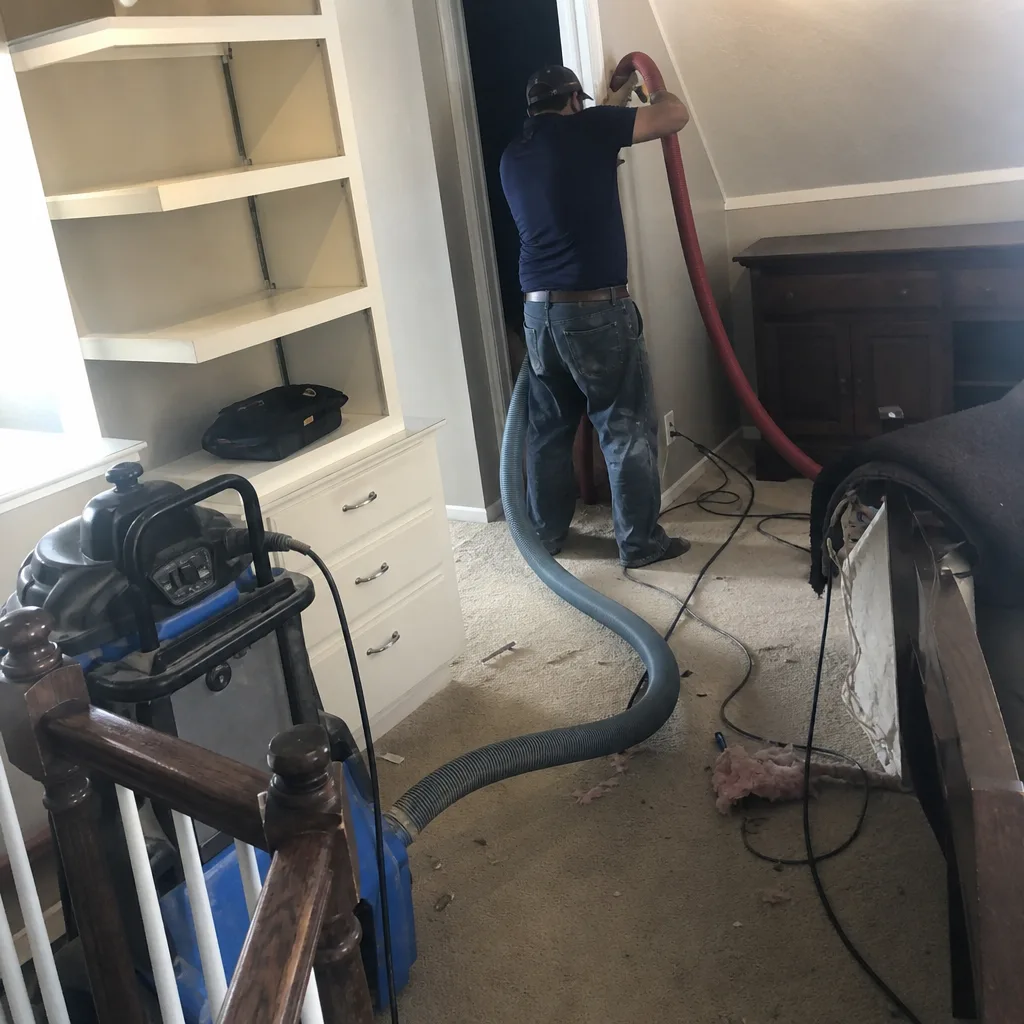 Before
 After
 Before
 After
 Before
 After
When to Call a Professional
Some problems are visible only through the duct interior, and that’s the point at which a professional inspection is worth the call. Call when you notice persistent dust returning to surfaces faster than explained by the season, when allergy symptoms track with system runtime, when a musty smell appears at startup, or when you see water stains, rust, or condensation near registers. Call if you’ve recently renovated or live near active construction, since that dust settles into the system. Call if your system shows visible gaps or sagging joints, since that’s the case for repair, not just cleaning. Call if it’s been more than a year since any professional work, or if the fall window is approaching and you haven’t scheduled the full cleaning. Duct Cleaning Georgetown offers free estimates in Georgetown – call (844) 560-6431. We answer 24/7. Fast dispatch from 7am to 7pm, Sunday through Friday.
Frequently Asked Questions
Most Georgetown homes do well on an every-12-to-18-month cycle, with the full cleaning timed for early fall before heating season. Homes with pets, allergy-sensitive occupants, recent renovation, or high dust load may need it more often. The seasonal inspection in spring and the filter checks in between tell you whether the cycle should be shorter.
Yes. Cedar particles are fine and slip through standard filters more easily than larger dust. Once inside, they settle in ductwork and get pushed back into living spaces with every heat cycle. That’s why winter is treated as its own diagnostic window rather than a quiet season for the system.
A musty or earthy smell at startup is a strong indicator of moisture in the system, often near the evaporator coil or in a section of duct with a compromised seal. It’s a reason to book an inspection rather than wait. Cleaning and correcting the moisture source come before anything else.
Partly. Cleaning removes the dust that moisture binds to, which reduces the surface area available for growth. But it doesn’t solve a moisture source like a clogged condensate drain or an unsealed duct joint. Humidity problems need the moisture source fixed, which is duct repair work, not cleaning work.
Ask for before-and-after photos of your own duct interior and a walk-through of the process being used. Professional crews use containment and filtration that you can see set up, and they can show you the interior condition before and after. A one flat price per system, agreed before work starts, also removes the incentive to cut corners mid-job.
Low quotes typically reflect equipment and process, not value. Portable vacuums and shop vacs clean the register and little else, while professional systems agitate and extract the full duct interior with containment. The honest comparison is what tools and method are brought into the home, not the headline number.
The Bottom Line
Georgetown’s air ducts don’t have one busy season. They have four, each depositing a different layer of contamination. Handle them seasonally: winter cedar awareness, spring humidity inspection, summer moisture watching, and a full professional cleaning in early fall before heating season begins. Pair that with regular filter checks as a leading indicator, and duct repair rather than simply cleaning around leaks. The result is a system that holds its air, a home that holds its comfort, and a schedule that matches what’s actually happening in Georgetown’s climate rather than a generic annual reminder.
If fall is approaching and you haven’t scheduled the full cleaning, or if you’ve noticed any of the warning signs above, call Duct Cleaning Georgetown at (844) 560-6431 for a free estimate. We answer 24/7. Fast dispatch from 7am to 7pm, Sunday through Friday. One flat price per system, agreed before work starts, with before-and-after photos of your own ducts.
Written by the team at Duct Cleaning Georgetown.