
Last updated November 16, 2026
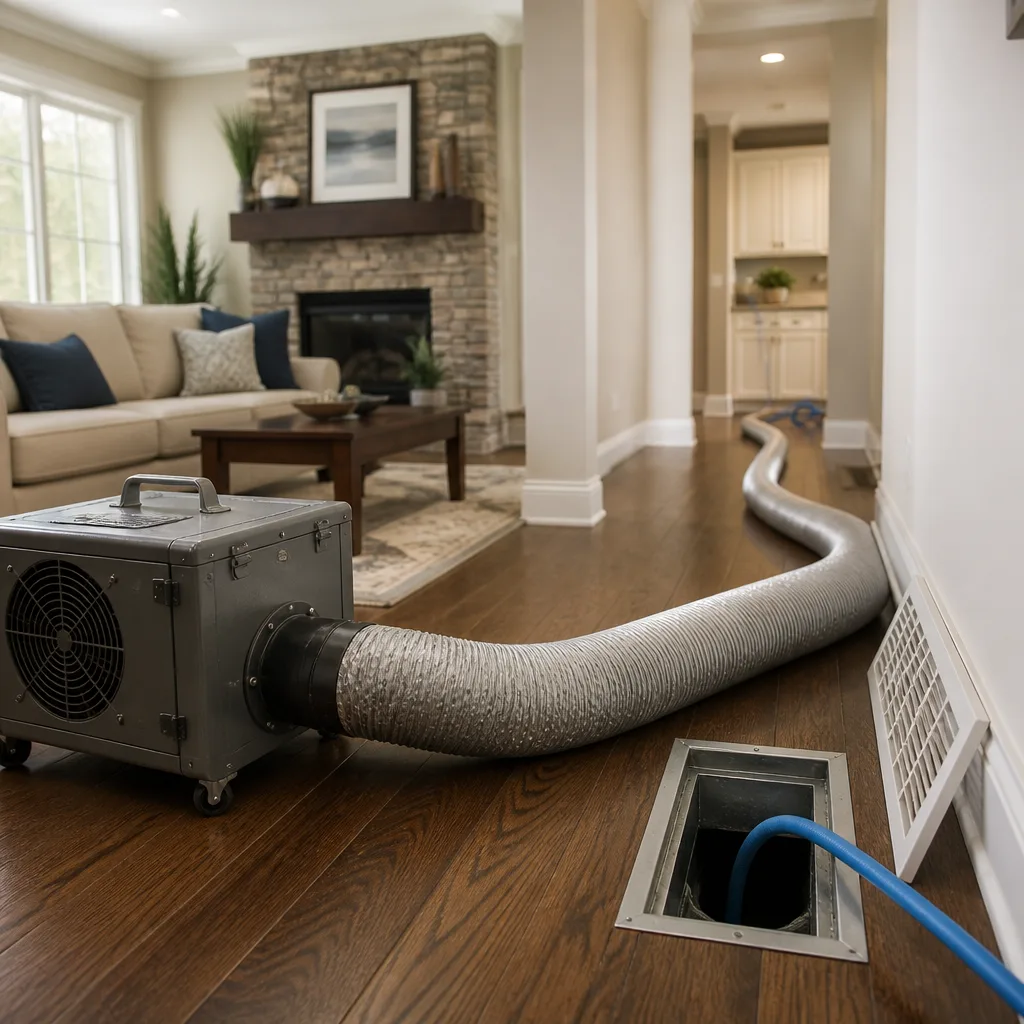 Whole-home duct cleaning
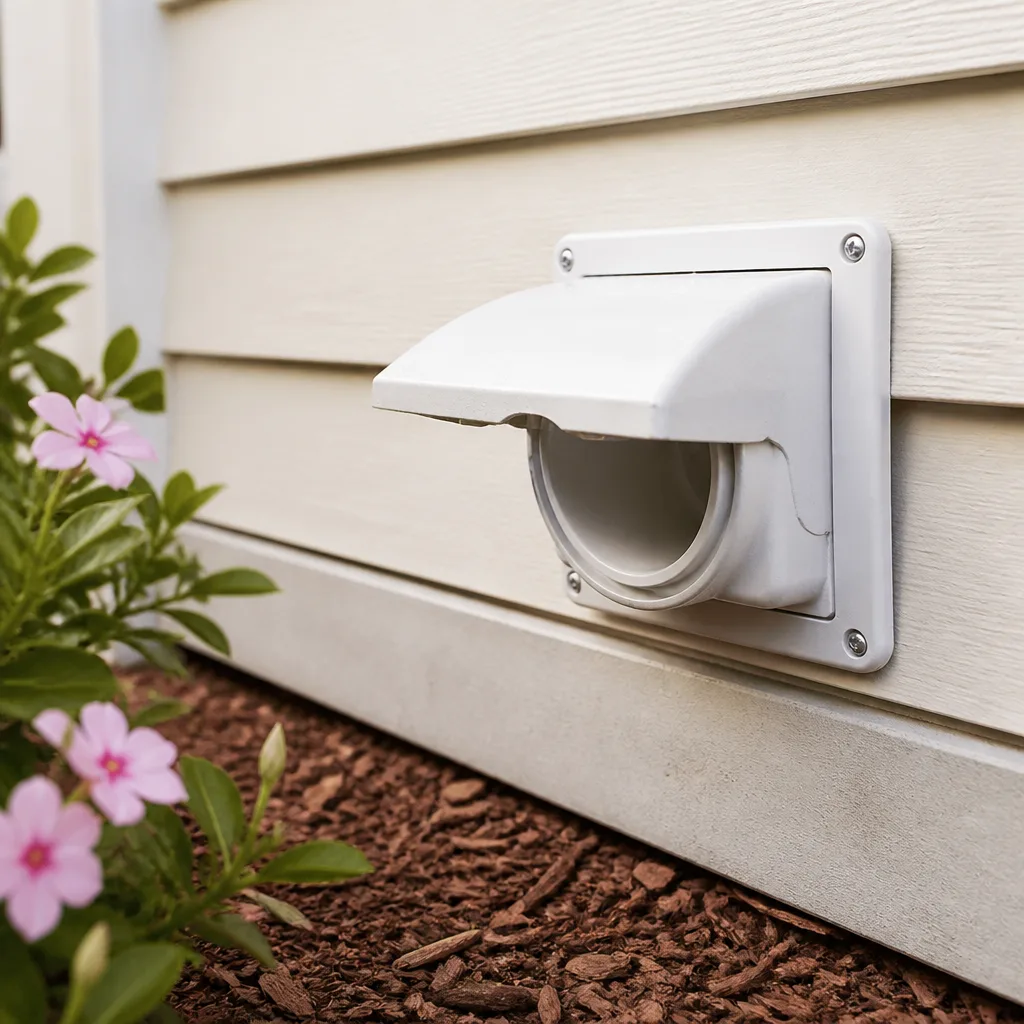 Dryer vent cleaning
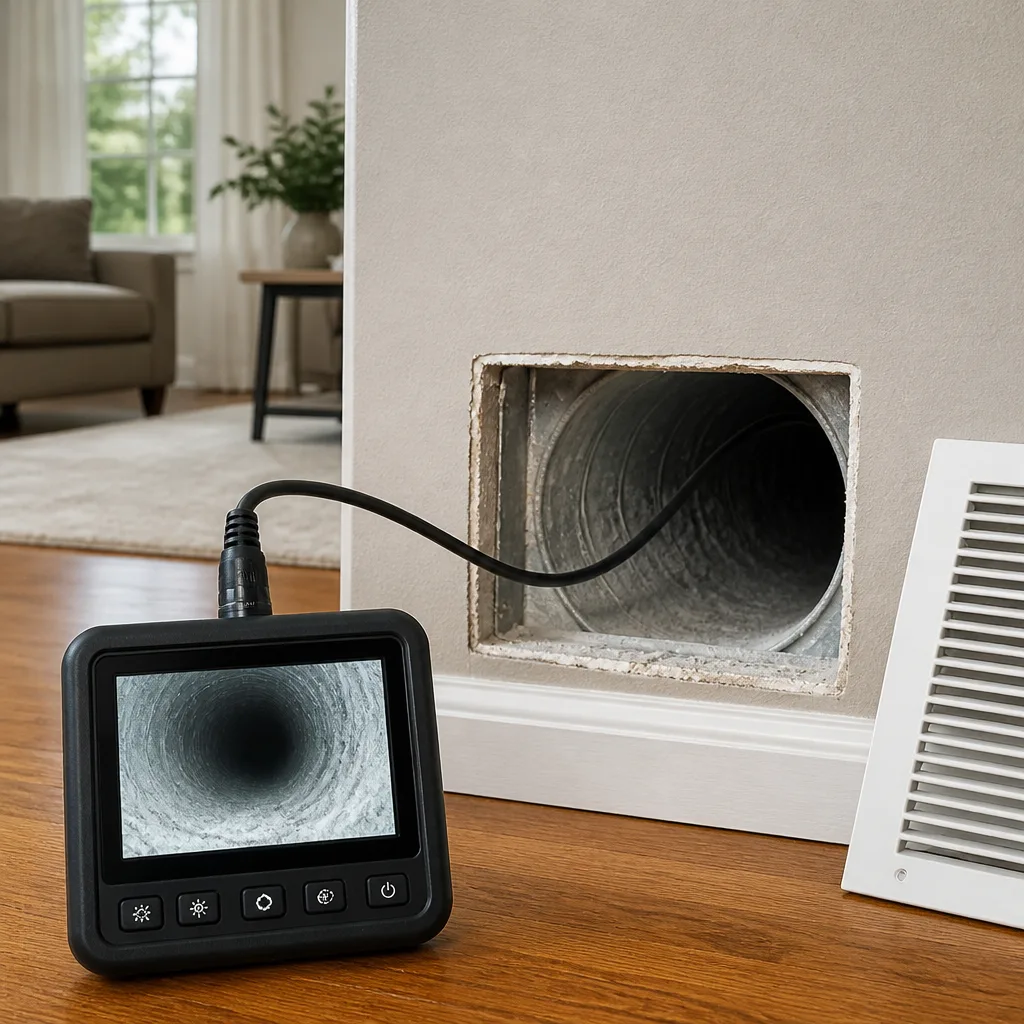 Camera inspection
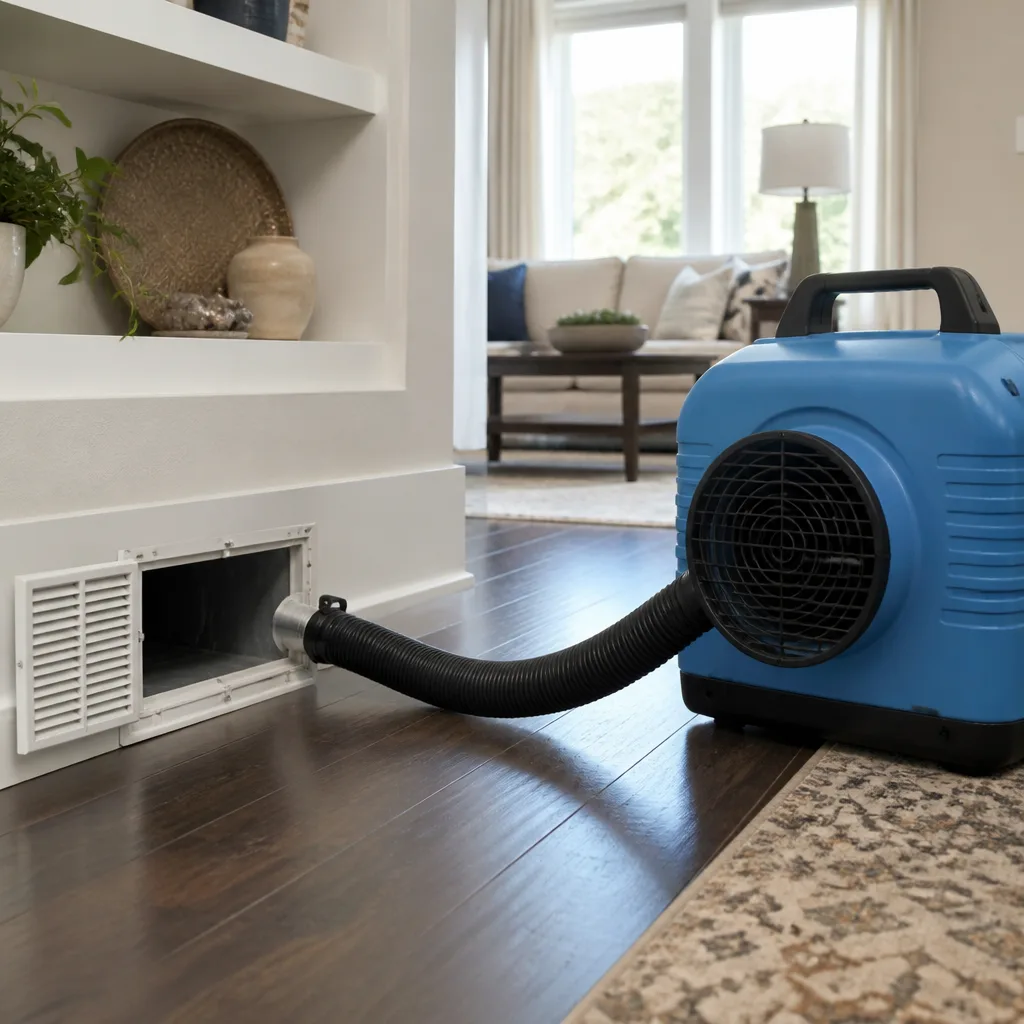 Sanitizing & deodorizing
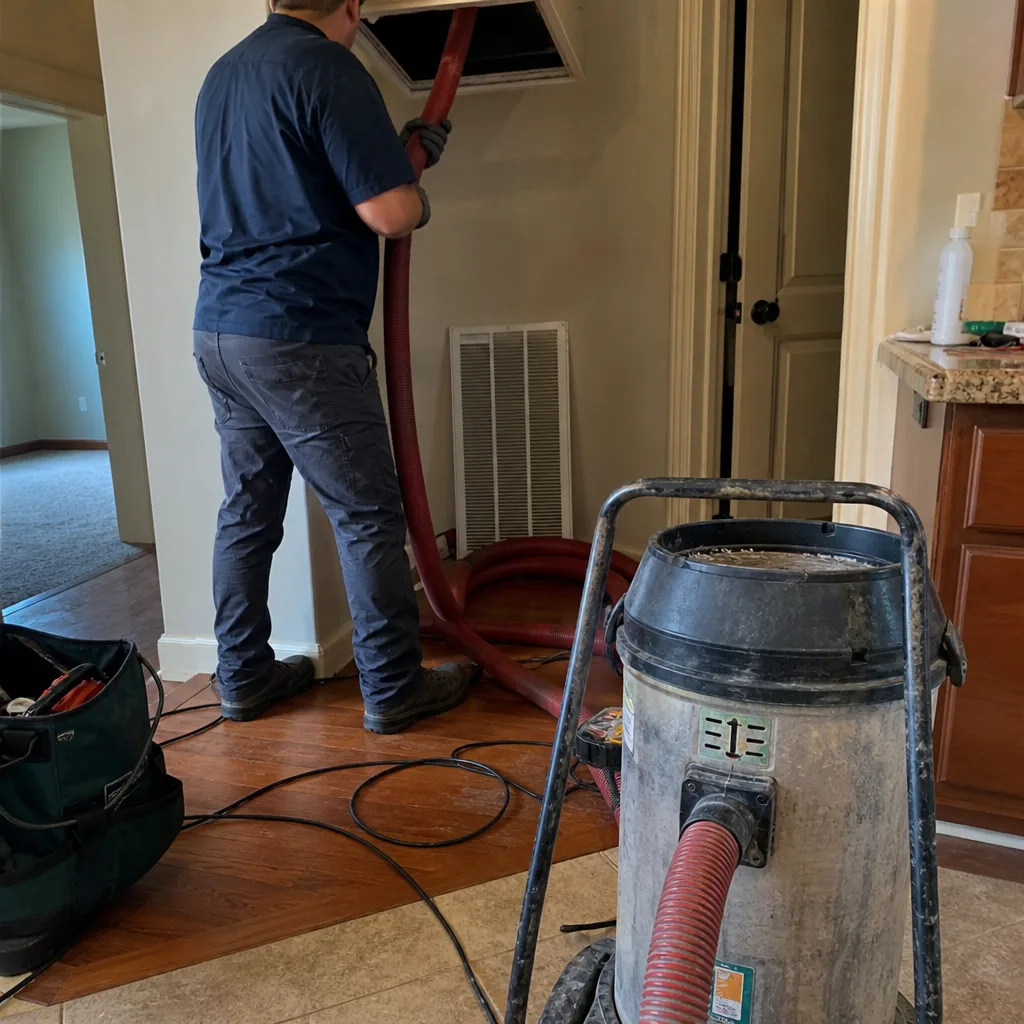
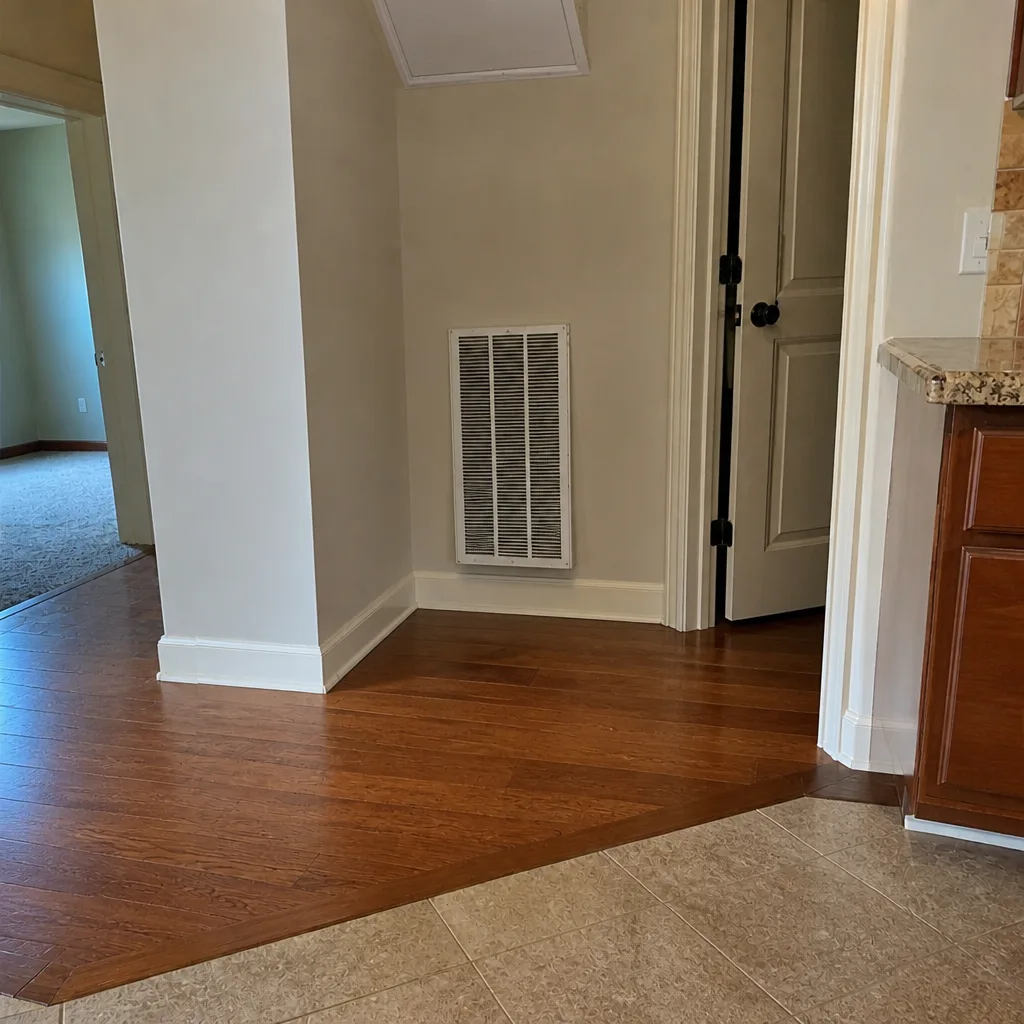
Whole-system duct and dryer vent check with before-and-after photos - you see exactly what came out of your vents
That "$99 whole-house special" is a bait ad - the real number appears once they are in your hallway, or the "clean" is a shop-vac at the register. We photograph the inside of your ducts before and after instead.
How to Hire an Air Duct Cleaning Contractor in Georgetown: A Step-by-Step Guide
If a contractor quotes your duct cleaning job without asking how many supply registers you have, what your square footage is, or when the system was last serviced, hang up. That quote is not based on your house. It’s a script, and the number at the end of it is bait.
Georgetown has a real low-bid problem in this trade. Coupon mailers arrive by the stack, “$99 whole house” gets shouted from the mailbox, and the crew that shows up frequently can’t name its vacuum unit, can’t show you a negative pressure reading, and leaves before the particulate is actually captured. This guide gives you a phone-call interview framework that separates equipment-serious specialists from van-and-vac operations in about ten minutes, before anyone touches your system.
Styles & brands we work with
- Whole-home duct cleaning
- Dryer vent cleaning
- Camera inspection
- Sanitizing & deodorizing
Quick Answer
To hire an air duct cleaning contractor in Georgetown, ask five equipment questions before you book: the vacuum unit model, its airflow rating, the brushing system, the containment method, and how they verify the work after the job. The answers should be specific, not “we use the best.” Then compare quotes on equipment, written scope, and time-on-site – not price alone. A legitimate quote follows an assessment of your specific system, and the final price is set by a written estimate you approve before work starts.
Table of Contents
- Why the Georgetown Market Attracts Low-Bid Duct Cleaning
- The Five Equipment Questions to Ask Before You Schedule
- How to Verify NADCA Membership and What It Does (and Doesn’t) Guarantee
- Red Flags Specific to Georgetown
- What a Legitimate Job Proposal Should Include
- How to Compare Quotes When Equipment, Scope, and Time Differ
- What a Professional Duct Cleaning Job Looks Like, Step by Step
- The Dryer Vent Question Most Homeowners Never Ask
- Common Mistakes to Avoid
- When to Call a Professional
- Frequently Asked Questions
- The Bottom Line
Why the Georgetown Market Attracts Low-Bid Duct Cleaning
Georgetown is a fast-growing city, and fast growth in a housing market tends to attract a certain kind of contractor: the one who spends more on a mailer than on a vacuum. In a market where new construction sits beside homes that have been running the same ductwork for years, buyers who are new to the area don’t yet have a go-to name. That gap gets filled by whoever leaves a coupon on the door.
The low-bid model works like this. A crew quotes a floor price over the phone – sight unseen, system unseen, house unseen. On site, the price grows: “your main trunk needs an extra pass,” “that return is heavy,” “the coil is separate.” Because nothing was scoped or written down, the homeowner has no ground to stand on, and the technician is on the clock. What started as a coupon becomes a bill three times the number on the mailer.
That model is cheap for one reason: the work is superficial. Sorting a home’s ducts into an actual scoped job requires equipment that costs real money – a rotary-brush system, a high-volume vacuum, a negative-air machine to protect living spaces while the work happens. A van-and-vac operator skipping all three can charge less because they’re doing less.
Georgetown homeowners dealing with reduced airflow or recurring dust need a contractor who scopes the job before quoting it. If the caller can’t name their machine, their brushing method, or their containment approach, the quote isn’t a quote – it’s a guess. Any professional duct cleaning job in Georgetown should start with an assessment, not a coupon.
The Five Equipment Questions to Ask Before You Schedule
This is the core of the framework. Ask these five questions on the phone, in this order, and take notes. The answers alone will sort the field.
- What vacuum unit do you use? A serious contractor names a model or brand without hesitating – a truck-mounted high-volume unit or a contractor-grade portable like a Nikro. If the answer is “a strong shop vac” or “industrial-grade,” that’s a red flag. A shop vac cannot move enough air to dislodge the debris stuck to duct walls.
- What’s the airflow rating in CFM? CFM – cubic feet per minute – is the machine’s muscle. A contractor who can’t quote a number is operating equipment they don’t fully understand. Ask for the rating of the vacuum unit they’ll actually use at your house.
- What brushing system do you use? The best answer names a rotary-brush system like Rotobrush – a mechanical brush fed down each duct while the vacuum runs. The wrong answer is “we just vacuum it out.” Suction alone doesn’t break debris loose from the walls; a brush does. This question alone eliminates most low-bid operators.
- How do you contain the debris while you work? Professional crews run negative-air equipment – for example Abatement Technologies filtration units – so that loosened dust is pulled into the collection system rather than pushed through the house. If the crew has no answer for containment, ask yourself where that dust is going to land.
- How do you verify the work after the job? A professional can describe their verification, whether that’s a visual inspection of the supply registers, a before-and-after photo set of your own ducts, or a final pass reading. “You’ll feel the difference” is not verification.
Frame each question as a genuine question, not an interrogation – a good contractor answers these with enthusiasm because they’re proud of their equipment. The ones who get defensive or evasive are telling you something useful. A quick call is far cheaper than discovering the issue with a technician in your hallway.
How to Verify NADCA Membership and What It Does (and Doesn’t) Guarantee
The National Air Duct Cleaners Association (NADCA) is the trade body that publishes a recognized standard for how duct cleaning should be done, including its ACR standard for assessment, cleaning, and restoration of HVAC systems. Membership is a useful starting signal that a contractor takes the process seriously enough to join an industry organization.
Ask for it directly. A contractor who is a member will tell you, and you can verify membership through NADCA’s own directory rather than taking a website badge at face value. A contractor who isn’t a member may still do solid work – membership isn’t mandatory – but the absence of any affiliation combined with vague equipment answers is a pattern worth noting.
What NADCA membership does not guarantee:
- That the contractor uses rotary-brush equipment on your job.
- That containment is run to standard on every visit.
- That the price is fair, or that the quote is based on your specific system.
- That you’ll get before-and-after documentation.
The membership question is one input, not a green light. Combine it with the equipment questions above, and you have a real profile. In Georgetown’s busy market, some operators put a credential badge on a website without doing the work behind it. The phone answers still count more than the badge.
Red Flags Specific to Georgetown
Watch for these on the mailer, on the phone, and in the driveway.
- Coupon mailers with a whole-house price. A “$99 whole house” mailer is not a price, it’s an opening bid. Real duct cleaning is priced per system after assessment, and the price is set by a written estimate. A mailer that quotes a number before seeing your house is quoting a number that isn’t yours.
- No written scope of work. If the contractor can’t hand you a document that lists access points, containment plan, and verification method, you’re buying a promise, not a job.
- Equipment they can’t name. A specialist names the machine. A salesperson describes it as “professional-grade.”
- Pressure to sign before you think. The low-bid model runs on urgency – “we’re in the neighborhood today only.” A legitimate job doesn’t evaporate if you take an hour to think.
- No before-and-after photos. The dust control question is answered by evidence from your own ducts, not a brochure.
- Duct repair for an upcharge. A crew that only cleans will discover “problems” on site. Real repair capability (more below) means the assessment happens before the quote, not during the invoice.
What a Legitimate Job Proposal Should Include
A professional proposal is scoped to your house. It’s the answer to the hook at the top of this guide: a quote that doesn’t reference your register count, square footage, or system condition isn’t a quote. Here’s what to expect in writing.
- Number of supply and return registers and how each will be accessed.
- The equipment named – vacuum unit, brushing system, containment equipment.
- A containment plan describing how debris is contained during the job.
- Access points and any areas where access needs your sign-off.
- A verification method for the finished work.
- A flat price per system, with the scope attached to it – not a line item per vent that can grow at the technician’s discretion.
- Clear boundaries on what’s included and what would cost extra, agreed before work starts.
Whole-system pricing means the price is for the system, not per vent. That one detail does a lot of the sorting for you. Per-vent pricing invites the bait-and-switch. A flat per-system price, tied to a written scope, is a contractor who’s willing to be accountable to a single number.
Duct repair should be on the same table. Many jobs reveal small gaps, disconnected joints, or sections that no cleaning-only operator can fix – they’ll clean around the problem and leave it. If you’re comparing contractors, the ones who can address repair in the same visit save you a second round of vendors.
How to Compare Quotes When Equipment, Scope, and Time Differ
Comparing two duct cleaning quotes is not comparing two prices. It’s comparing two scopes and the equipment behind them. A higher quote with brush-based cleaning, containment, and documented verification is doing a different job than a lower quote from a crew with a portable vacuum and a promise.
Build a simple comparison before you decide:
- Equipment. Does the quote name the vacuum unit and brushing system? Does it mention CFM or a rotary brush?
- Containment. Is negative-air containment part of the scope, or is it “we’ll be careful”?
- Scope. How many registers, returns, and main trunk runs are covered – and is that written down?
- Time-on-site. Ask how long the job is expected to take. A whole-house job that runs fewer than a couple of hours should raise a question: what didn’t they clean?
- Verification. Before-and-after photos and a final inspection, or nothing?
When you line quotes up this way, the cheap quote usually stops being cheap. If a crew isn’t brushing, isn’t containing, and isn’t verifying, you’re paying for the appearance of a job. That’s the trap the Georgetown market is full of, and the comparison above is how to spot it before you’re inside it.
What a Professional Duct Cleaning Job Looks Like, Step by Step
Knowledge of the process is your best defense against a bad one. Here’s how a properly run job goes.
- Assessment. The technician walks the system, counts registers and returns, checks access, and notes problems before work starts.
- Containment setup. Negative-air equipment and filtration go in first, so loosened debris is captured, not released into the house.
- Register and vent removal. Grilles come off for individual cleaning – a surface wiped with a rag is not the same thing.
- Rotary-brush cleaning. Each duct run is brushed mechanically while the vacuum pulls the loosened debris under negative pressure into the collection system.
- Main trunk and plenum. The larger trunk lines and the plenum near the air handler get the same treatment.
- Component check. If the system includes integrated air quality equipment – Honeywell or Aprilaire components, for instance – the technician can assess those parts as part of the system rather than in isolation.
- Verification. Registers are inspected, the containment is removed, and before-and-after photos of your own ducts are shared.
Note the shape of the process: assessment first, containment second, cleaning third, verification last. If a job at your home skips a step, you have a concrete question to ask. If it skips two, you have your answer. A Howard resident or a Sun City resident gets the same process; the system is what’s assessed, not the zip code.
The Dryer Vent Question Most Homeowners Never Ask
When you’re interviewing an air duct contractor, ask whether they handle dryer vent cleaning as part of the visit. It’s a separate system from your HVAC ducts, and it’s the one that matters to fire safety. Lint buildup in a dryer vent line is a documented residential fire risk – a safety checklist item, not an upsell tacked onto the end of a cleaning invoice.
The equipment question carries over. A proper dryer vent job involves an assessment of the line’s run and termination point, mechanical removal of lint, and verification that airflow is restored out the exterior vent. A vacuum applied at the outside hood is not the same as a full-line clearing. If a contractor lumps the dryer vent into a bundle without looking at the run, that’s the same low-bid instinct showing up in a different place.
A company that handles air duct cleaning, dryer vent cleaning, and duct repair under one provider gives you one accountable contact for related systems rather than three vendors with no conversation between them. When you schedule your air duct cleaning, ask whether the dryer vent can be assessed on the same visit.
Common Mistakes to Avoid
- Booking from a mailer price. A number on a coupon is not a quote. Ask for a scoped, written estimate based on your actual system before you book. Without that, the number you were shown has no bearing on the one you’ll pay.
- Not asking what equipment will be used. If you don’t know whether the crew is bringing a rotary-brush system and a high-volume vacuum, you’re buying the label “duct cleaning” and hoping. Ask first; it’s a two-minute call.
- Treating “we clean the vents” as the whole job. Registers and grilles are the visible part. The ducts behind them, the main trunk, and the plenum are the system. A job that only touches the visible openings leaves the rest untouched.
- Skipping the containment question. A crew without negative-air equipment pushes debris into living spaces. Ask how debris is contained while the work is being done, and don’t accept “we’re careful” as the answer.
- Ignoring the repair gap. A cleaning-only operator will clean around a gap or disconnected joint and leave it. If the contractor can’t repair what they find, the problem stays in your system. Factor repair capability into the comparison.
- Forgetting the dryer vent. Lint in a dryer vent line is a fire risk, and it’s the most commonly skipped part of a “duct cleaning” visit. Ask about it while you’re already on the phone.
- Comparing quotes on price alone. When equipment, scope, and time-on-site differ, the prices are measuring different jobs. Compare the scope first, then the price.
When to Call a Professional
You don’t need duct cleaning on a set calendar – it depends on the system, the household, and what you’re noticing. Call a professional when air from the registers smells stale or musty, when rooms that used to heat and cool well now struggle to keep up, when visible dust settles on surfaces soon after cleaning, or when someone in the home has allergy or respiratory sensitivity and the symptoms track with the HVAC system running. If you’ve just moved into a Georgetown home and don’t know when the ducts were last serviced, an assessment tells you where you stand. If your dryer takes longer than it used to, that’s a dryer vent question worth asking on the same call. Our dryer vent cleaning is treated as a fire-safety service, not a postscript. Georgetown homeowners can get a free, scoped estimate from Duct Cleaning Georgetown – call (844) 560-6431. We answer 24/7. Fast dispatch from 7am to 7pm, Sunday through Friday.
Frequently Asked Questions
Ask the five equipment questions – vacuum unit, CFM rating, brushing system, containment method, verification – and get a written scope before booking. Specific answers are the qualification signal. Any contractor who answers “we use professional-grade equipment” without naming it is telling you something useful. Call (844) 560-6431 for a scoped quote from Duct Cleaning Georgetown – estimates are free.
Ask what vacuum unit will be used and its airflow rating; what brushing system they use; how they contain debris during the work; whether they’re a NADCA member; and how they verify the job afterward. A serious contractor welcomes all five. If the answers are vague, keep shopping. Call (844) 560-6431 and ask us these five on the spot.
Cheap quotes usually reflect a shorter, more superficial job: no rotary brush, no negative-air containment, no verification, and a per-vent price that grows on site. The crew that skips the equipment is charging less because it’s doing less. Compare equipment and scope before comparing price. Call (844) 560-6431 for an honest, scoped estimate.
It’s a useful signal, but not a guarantee. Membership shows the contractor has joined the industry body that publishes the ACR standard, and it’s worth verifying through NADCA’s own directory rather than a website badge. Pair that with specific equipment answers and a written scope. Call (844) 560-6431 to ask us these questions directly.
A legitimate proposal lists your register and return count, names the equipment (vacuum, brush, containment), states access points, describes the verification method, and gives a flat price per system tied to that scope. If a proposal is a single number with no scope attached, don’t book from it. Call (844) 560-6431 for a written, scoped proposal.
A thorough job runs several hours because every run gets brushed under negative pressure and the trunk and plenum are handled too. A job that wraps up quickly is worth questioning: find out what was cleaned. Time-on-site is one of the most reliable indicators of scope. Call (844) 560-6431 and we’ll walk you through the expected timing for your system.
The Bottom Line
Hiring a duct cleaning contractor in Georgetown comes down to one habit: ask specific questions before you book, and accept only specific answers. The five equipment questions – vacuum unit, CFM rating, brushing system, containment, verification – sort the field faster than any directory. Pair those with a written, scoped proposal and a flat per-system price, and the coupon trap loses its power. Duct cleaning, dryer vent cleaning (a fire-safety job in its own right), and duct repair should all be on the table. A contractor who cleans around the problem and leaves it is not finished. One who can assess the whole system – including Honeywell and Aprilaire components – and repair what they find is the one worth your call. You’re welcome to compare equipment and get a scoped quote in Georgetown. Call Duct Cleaning Georgetown at (844) 560-6431 for a free estimate. We answer 24/7. Fast dispatch from 7am to 7pm, Sunday through Friday.
Written by the team at Duct Cleaning Georgetown.
See the difference
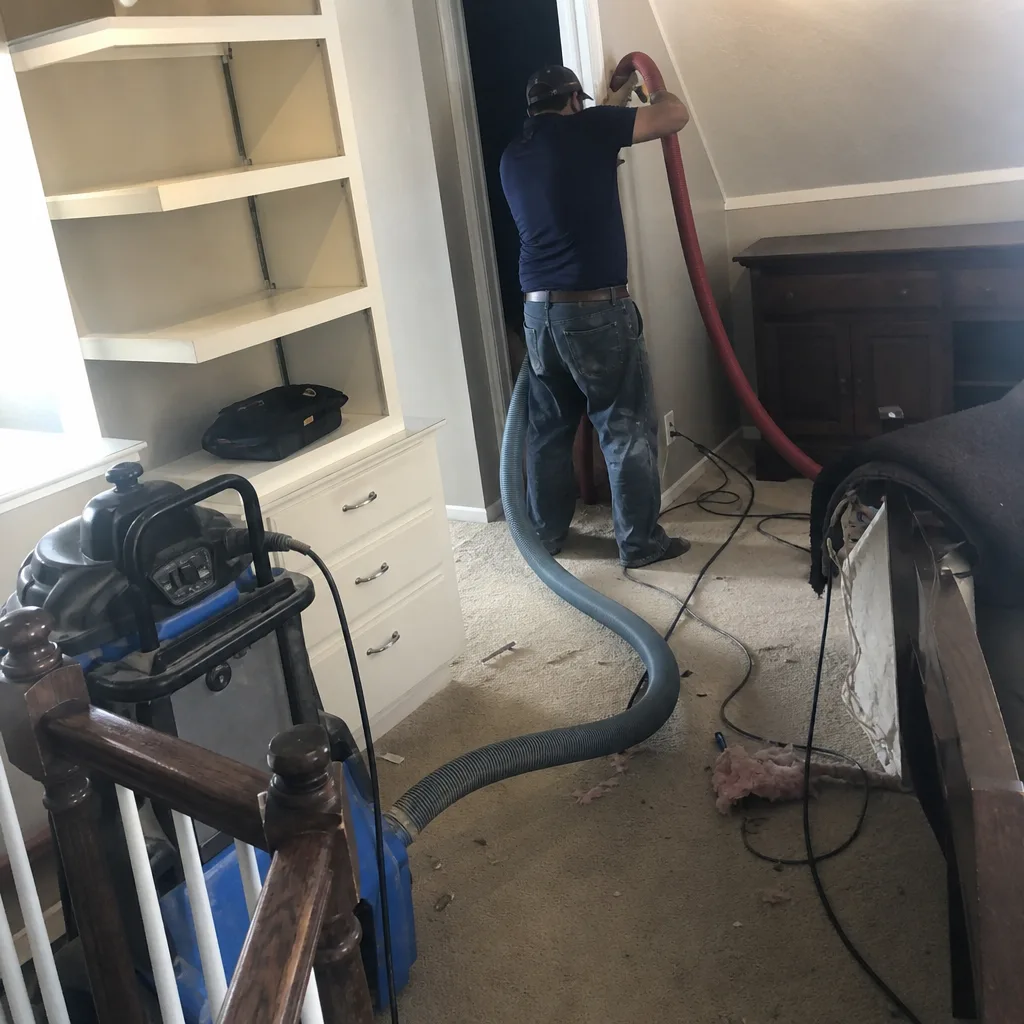 Before
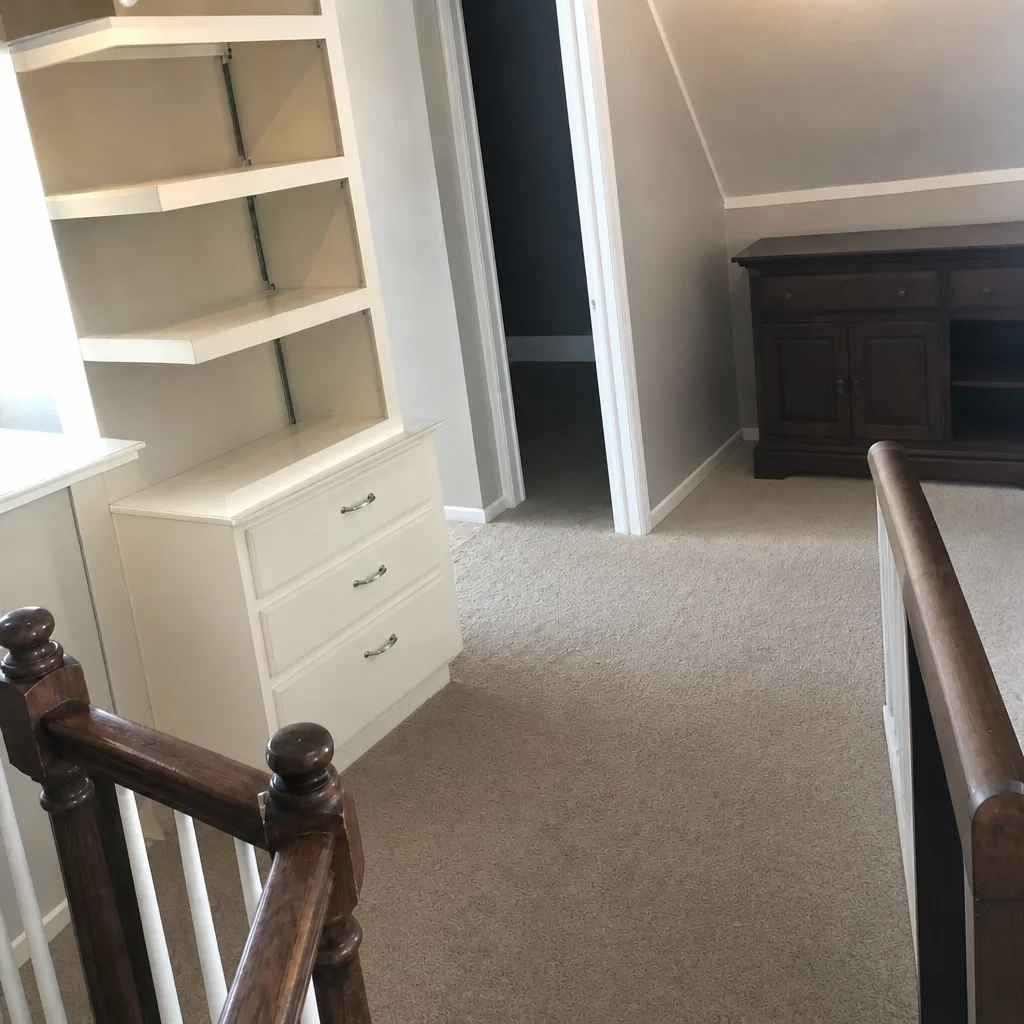 After
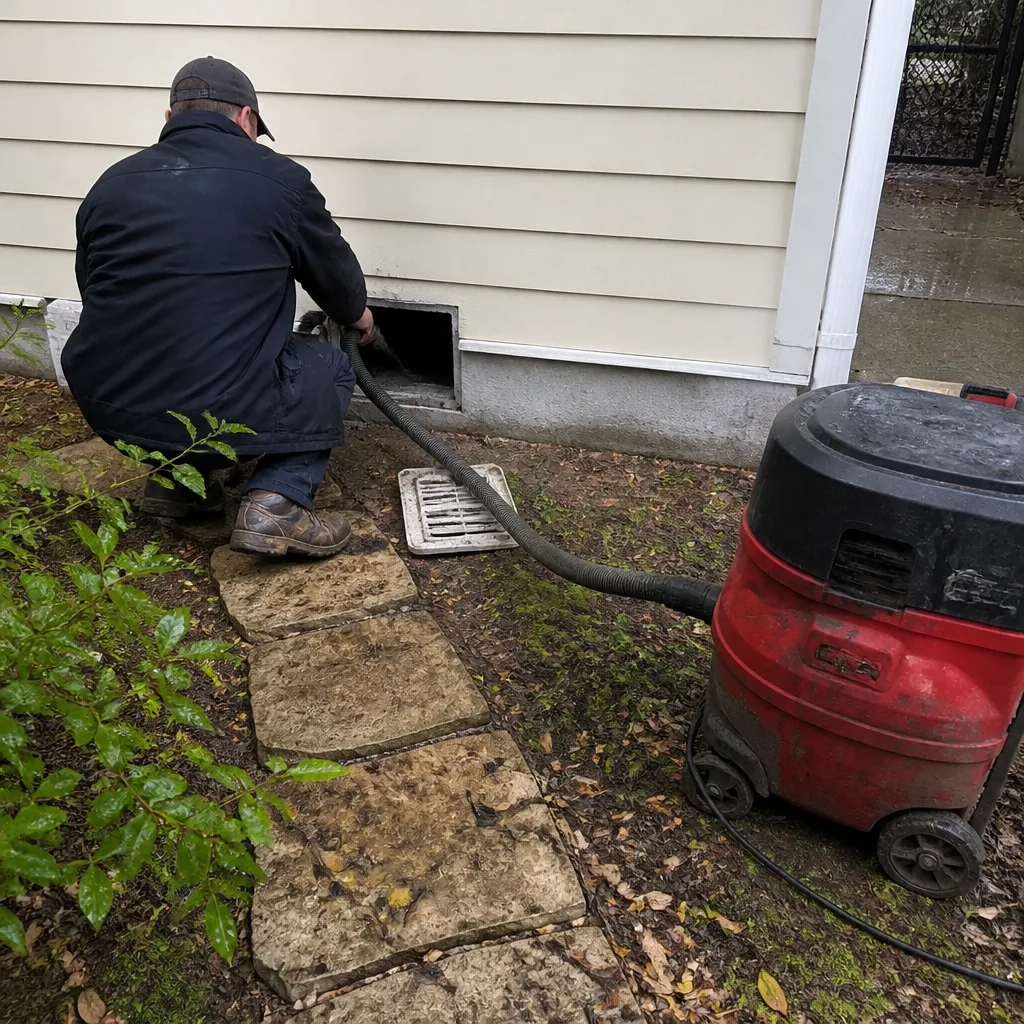 Before
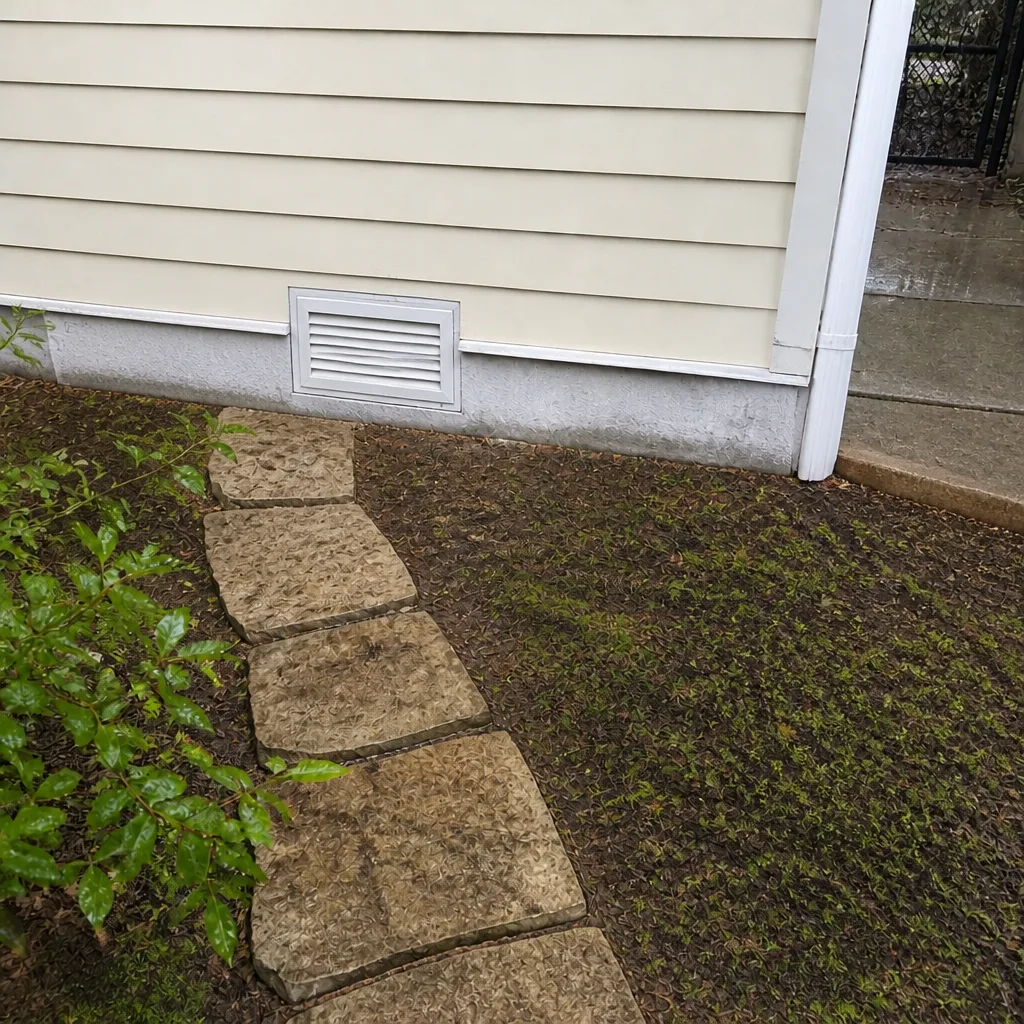 After
 Before
 After