
Last updated November 16, 2026
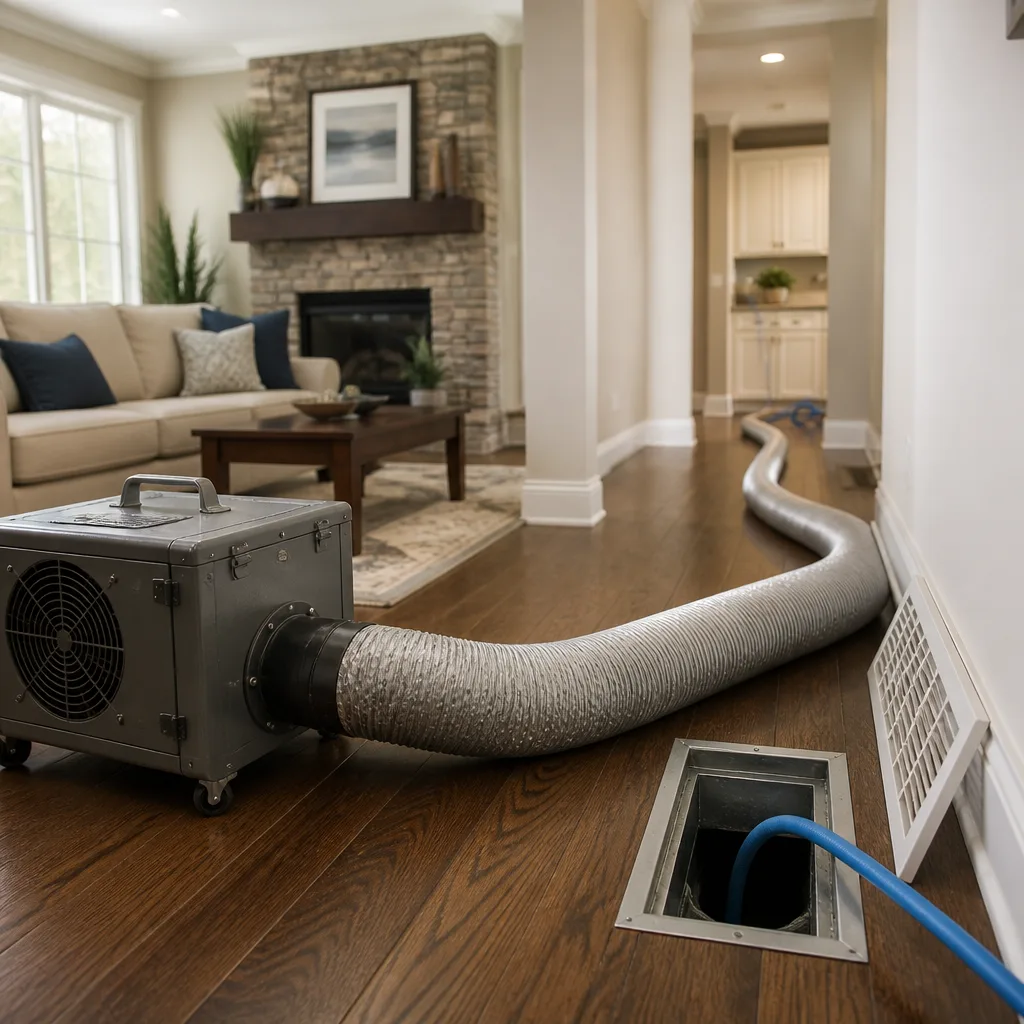 Whole-home duct cleaning
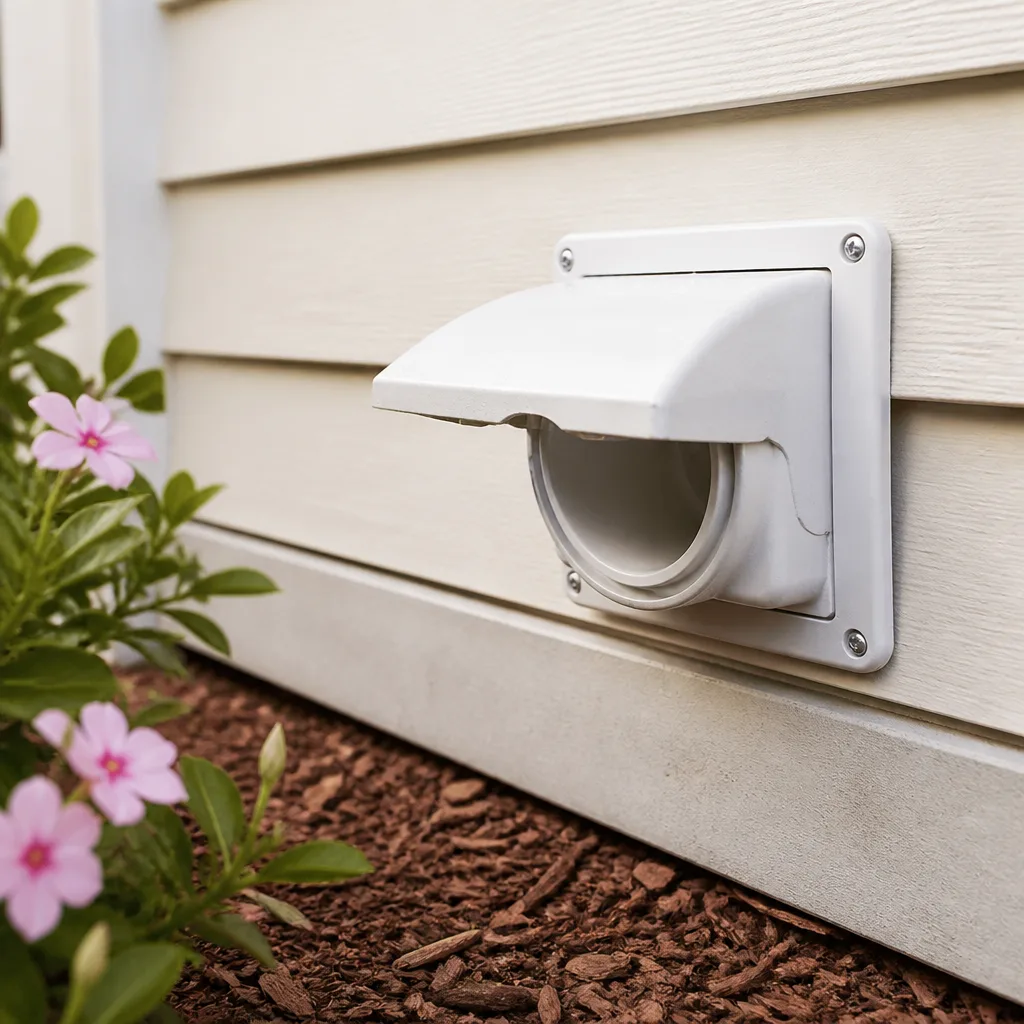 Dryer vent cleaning
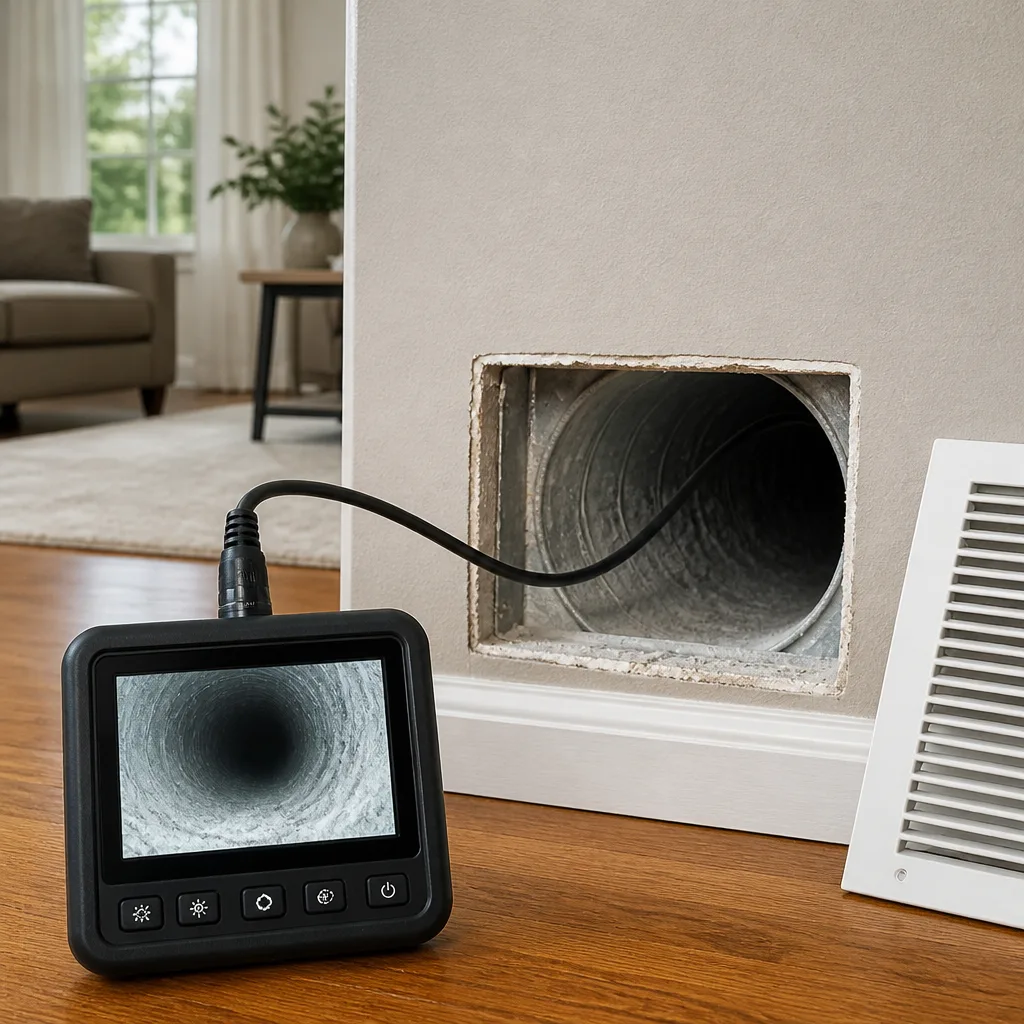 Camera inspection
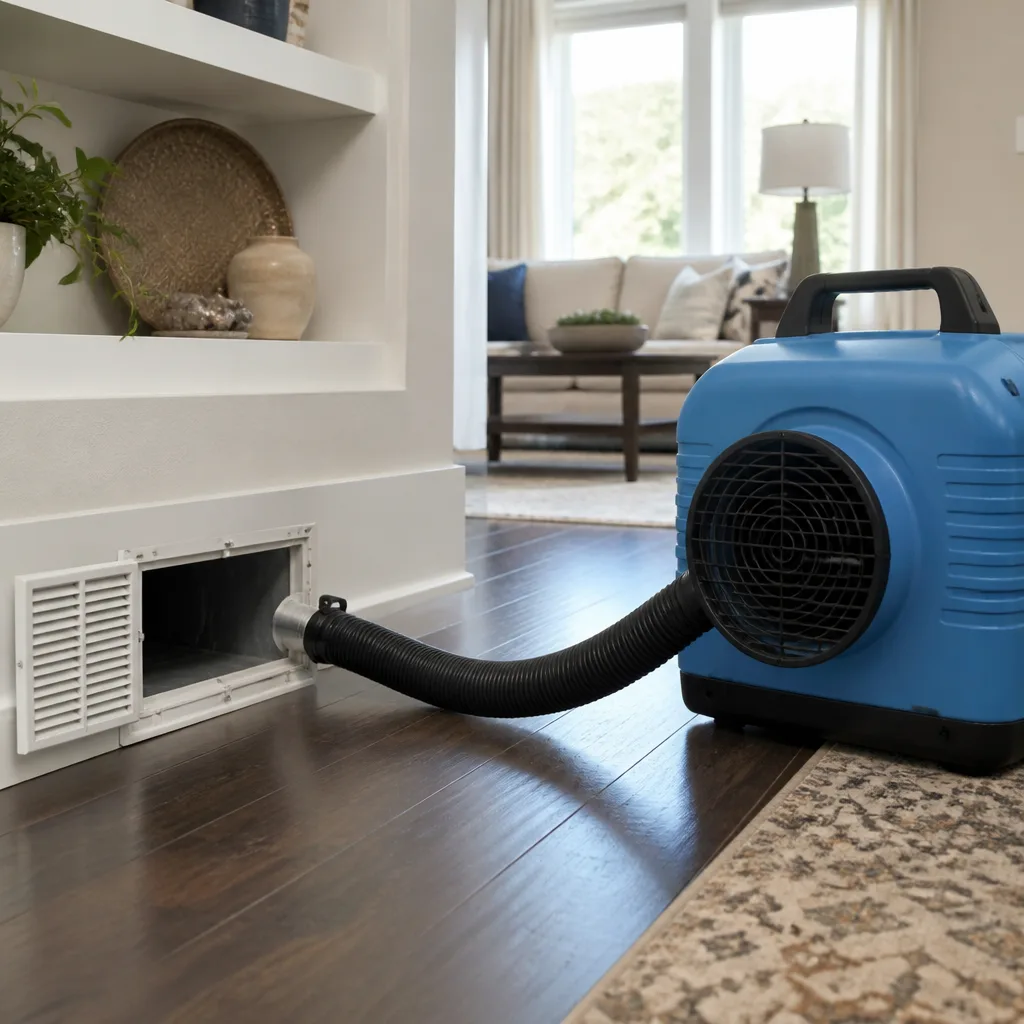 Sanitizing & deodorizing
Whole-system duct and dryer vent check with before-and-after photos - you see exactly what came out of your vents
That "$99 whole-house special" is a bait ad - the real number appears once they are in your hallway, or the "clean" is a shop-vac at the register. We photograph the inside of your ducts before and after instead.
Air Duct Cleaning Emergency Preparedness Guide for Georgetown Homes
Most Georgetown homeowners treat duct cleaning as routine maintenance. That’s the misconception. A duct system is the one part of your house that quietly absorbs whatever the outside world throws at it, and this part of Central Texas throws a lot: winter storm power failures, wildfire smoke drifting in from regional burns, flash flooding that surprises everyone. Each of those events can push particles and moisture into ductwork in a single afternoon, and each one needs a different response. This guide walks through a structured post-emergency inspection protocol for Georgetown, with a decision tree for each type of event, so you know what to check and when to call.
Quick Answer
Air duct cleaning after an emergency in Georgetown should start with a documented visual inspection before the HVAC system runs again, then a targeted cleaning matched to the event type: combustion cleanup after generator or heater use, moisture assessment after flooding, and smoke particulate removal after wildfire events. If ductwork was submerged or stayed wet past 48 to 72 hours, replacement usually beats cleaning. Call (844) 560-6431 for a free estimate. We answer 24/7. Fast dispatch from 7am to 7pm, Sunday through Friday.
Styles & brands we work with
- Whole-home duct cleaning
- Dryer vent cleaning
- Camera inspection
- Sanitizing & deodorizing
Table of Contents
- Why Emergency Events Hit Ducts Hard in Georgetown
- Indoor Combustion Events: A Pre-Restart Inspection Sequence
- Post-Freeze Protocol: Pipe Bursts and Moisture in Ducts
- Wildfire Smoke Events and What Your HVAC Pulls In
- Post-Flood Protocol: Clean It or Replace It?
- How to Document Contamination for an Insurance Claim
- What Professional Equipment Actually Does Differently
- Common Mistakes to Avoid
Why Emergency Events Hit Ducts Hard in Georgetown
A duct system is not a sealed envelope. It’s a network of sheet metal and flex runs with returns, seams, and registers that pull air from rooms and push it back. Every time the blower runs, the system exchanges air with the rooms it serves. When the air in those rooms is contaminated with smoke, carbon soot, or moisture vapor, that material settles on the inside surfaces of the ducts and stays there long after the event that caused it is forgotten.
Georgetown sits in a climate that produces three quarters of the year in comfortable weather and a few weeks where rapid swings hit hard. The two extremes that matter for duct contamination are cold snaps severe enough to trigger regional power failures, and hot, dry, windy stretches when regional wildfire smoke drifts into the Austin metro. Add to that a landscape of limestone hills and clay soils that can shed water fast during a heavy rain event, and you have three distinct emergency types that can affect ductwork inside the city limits.
What we’ve learned in this region is that the event itself is often less damaging than the recovery. A power failure is over in hours. But the combustion products from a generator or a kerosene heater running indoors stay in the ductwork. A flash flood recedes in a day. But the moisture that crept into a low return or a floor register will feed mold in less than 72 hours if it isn’t dried.
Here’s the sequence that matters: the emergency ends, the house goes back to normal, and the duct system is the last thing anyone checks. This guide is built around reversing that. If you’re in the middle of cleanup right now and just need the service, our air duct cleaning team handles post-event work with negative-air containment so the debris comes out of the house, not into it.
Emergency vs. Routine: The Difference in Practice
Routine duct cleaning is about removing accumulated dust and normal household debris. Post-emergency cleaning is about removing a specific contaminant layer: carbon deposits, smoke residue, biological growth from moisture, or fine mineral silt from floodwater. The equipment is the same class of tool, but the diagnostic step before it runs is different. A routine clean starts when the technician opens the main return. A post-event clean starts with a documented inspection of every register, because the contamination is rarely uniform. The registers nearest the source of the event will be the worst, and the documentation of that distribution matters if you’re going to file a claim.
Indoor Combustion Events: A Pre-Restart Inspection Sequence
When a winter storm knocks out the grid, the replacement heat sources people bring indoors are gas generators, propane camp stoves, kerosene heaters, and fireplaces run without a full draw. All of them produce combustion byproducts: carbon particulates, aldehydes, fine ash, and in the case of unvented heaters, carbon monoxide that should never be in a living space. Those particles settle on surfaces including the inside of the ductwork. If the HVAC system runs before that layer is dealt with, the blower distributes it through the whole house.
Before you turn the HVAC system back on after any combustion event, run this inspection sequence:
- Look at the supply registers. Check for dark film, greasy residue, or fine soot on the grille slats. If registers closest to the room where the generator or heater ran look darker than the far rooms, that’s your contamination map.
- Open the blower compartment. With the breaker off, look at the blower wheel and the filter door. A gray or black coating on the wheel blades is combustion particulate that made it into the system.
- Check the filter. A filter that went from clean to dark gray during the outage tells you particulate was circulating before the system shut down, or that the system ran on contaminated air after power returned.
- Smell the return. A closed return that smells like exhaust or burnt kerosene is holding combustion residue in its duct run.
- Check for CO after the event. A carbon monoxide detector placed near the furnace and water heater can catch a venting problem the event may have created. If it alarms, leave and call your gas utility before anything else.
If any of those five checks points to contamination, don’t run the system. The blower will move the particles into every room. Call (844) 560-6431 and tell us which event you had. We schedule a cleaning with the blower off and use Abatement Technologies negative-air equipment so the extraction happens while the living space is protected, not blanketed. Our technicians have up to experience on combustion-related duct work in this part of Central Texas.
Post-Freeze Protocol: Pipe Bursts and Moisture in Ducts
The winter storm that hits Georgetown is rarely a deep alpine freeze. It’s a hard, fast drop that catches plumbing without insulation or heat tape. When pipes burst, the water goes where water always goes: down through floors, into wall cavities, and into the lowest ductwork in the house. A floor register in a first-floor room that sat under a burst second-floor pipe can take water directly. So can a return duct run through a wall cavity where moisture collected.
The window is tight. Mold can establish on the inside of wet ductwork within 48 to 72 hours. That’s not a reason to panic. It’s a reason to check the following before the system is restarted:
- Any register that sat under water. Look for staining on the boot, the box, or the flex connector.
- Any flex duct run with a sag. Flex duct that held water will droop. A low spot in the run is where it stayed wet.
- Any return that runs through an exterior wall. Moisture migration in wall cavities is where the hidden contamination lives.
- The furnace’s own drain. High-efficiency furnaces have a condensate drain, and a freeze event can crack the trap or push it loose. That moisture has nothing to do with the burst pipe, but it’s the same problem.
- The air handler cabinet. Look for standing water in the cabinet or rust on the blower housing.
If any of those checks shows moisture or staining, the system should be evaluated before you run the blower. Running it on wet ductwork distributes mold spores through the house. If a run is fully soaked and the materials are saturated, replacement is usually the right answer. If the ductwork was wet but has dried without visible growth, cleaning and an assessment of the interior surface finishes the job. Either way, the diagnosis comes before the cleaning. We handle both cleaning and replacement recommendations as part of the same inspection, because duct repair is a service we run separately for exactly this reason: we repair what other crews clean around.
Wildfire Smoke Events and What Your HVAC Pulls In
On an elevated air quality index day during a regional wildfire event, the particles you can see are not the whole story. The fine particulate that matters is PM2.5 class material, and it drifts in as smoke haze that can last for days across the Austin metro and into Georgetown. What enters the house through the HVAC system is what the filter and the return pull in. A MERV 8 filter catches a lot. A MERV 13 catches more. Neither catches all of it, and neither keeps the fine fraction out of the duct interior over multiple days.
Here’s what to check after a smoke event:
- Register grilles closest to the outdoor air intake or the return. These are where smoke particulate lands first.
- The filter, again. A filter that loaded up during the event should be replaced, not re-used. Its pleats have done their job.
- The return in the room where the system draws its largest volume. That run usually shows the highest particulate deposit.
- Your own sense of the house. A faint campfire or ashtray smell that returns a week after the smoke clears usually means the duct interior is holding it, not the air.
- Your air quality hardware, if you have it. Homes with a Honeywell or Aprilaire whole-house air quality system will show filter status or sensor readings you can check. Our technicians work on both brands as part of the duct assessment, which is what “we work on the system, not just the surface” actually means in practice.
If the house still smells like smoke a week after the regional event clears, that’s the cue. Call for a cleaning and we’ll run it with the blower off and negative-air containment in place. Same estimate standard as everything else we do: one flat price per system, agreed before work starts, and before-and-after photos of your own ductwork so you can see what came out.
Post-Flood Protocol: Clean It or Replace It?
Flash flooding in this part of Texas does not need a river to rise. A heavy rain cell over the limestone hills can shed water faster than the ground takes it, and if it finds a low window, a crawl space, or a garage slab, it enters the house. When floodwater touches ductwork, the decision to clean or replace depends on one factor: how long the ductwork held water.
Use this decision list. It reflects what most duct repair professionals recommend, and it matches what we’d do for our own homes:
- Water touched the exterior of the duct but never entered it. Clean the surfaces, dry, reassess. Cleaning is a reasonable next step.
- Water entered through a floor register or a return opening and sat less than 48 hours. Aggressive drying followed by a full interior clean is the standard approach, with a visual inspection of the duct interior before the system runs again. This is the scenario that most benefits from professional negative-air equipment, because what comes out needs to be contained.
- Water entered and stayed in the duct for more than 72 hours. Mold can have established. Flex duct sections typically cannot be cleaned reliably and need replacement. Rigid sheet metal may be salvageable if the interior surface is intact and the full run can be accessed and dried.
- The ductwork is a flex product that was fully submerged. Replace it. Flex duct is not designed to be cleaned after a submerged event, and the cost of replacement is easier to justify than the risk of mold returning.
- There’s any visible mold on the interior surface. Replace the affected run. Coming back from a visible mold problem on duct liner or flex is not a cleaning job.
What the Duct Evaluation Actually Involves
The evaluation starts with a visual inspection at each register and at the air handler. If there’s an access panel below the air handler, the technician will check for standing water in the cabinet. From there, the assessment moves through the main trunk line and each branch, with a note on any flex run that shows moisture staining or a sag. This is also the moment we look at Guardsman inline filtration elements if the house has them, since a filter that took in floodwater is contaminated and needs replacement regardless of whether the duct behind it needs work.
How to Document Contamination for an Insurance Claim
Insurance adjusters don’t pay for duct cleaning as a general service. They pay for duct cleanup when the contamination is the direct result of a covered event: a pipe burst, a storm-driven water intrusion, a smoke event that the policy treats as a loss. The difference between a paid claim and a denied one is usually the documentation of conditions before any cleaning begins.
Document the following before you touch anything:
- Photograph the source. The burst pipe, the water line on the wall, the generator sitting indoors, whatever caused the contamination. Date and time stamp matters.
- Photograph each register. Take a wide shot of the room and a close shot of the register grille. Do the same for every register you suspect held contamination, so the distribution is documented.
- Photograph the filter. A filter photo is one of the strongest pieces of evidence for particulate contamination.
- Photograph the air handler cabinet and blower. Any rust, standing water, or coating shows the system’s condition at the time of the event.
- Get a written scope from the professional before service. A cleaning estimate written in event-specific terms (“post-freeze water intrusion at first-floor register run”) supports the claim in a way that a generic cleaning estimate does not. Save that document. Adjusters rely on it.
- Keep the before-and-after photos. Our technicians photograph the ductwork before work starts and after it’s finished. Those photos go with the invoice, and they’re how you or your adjuster can verify what was found.
Nothing in that list requires a special inspection service. It requires a homeowner with a phone camera and a professional who writes the scope in event-specific language. If we do the inspection, our report reflects the event type and the register distribution, not just a generic cleaning line.
What Professional Equipment Actually Does Differently
The difference between a professional duct cleaning and a shop-vac job is not a marketing claim. It’s mechanical. Here’s what each piece does and why it matters post-event:
- Rotobrush rotary-brush systems. A rotary brush is a spinning head on a flexible shaft that is fed through the duct run and scrubs the interior surface as it goes. It’s the equipment class specified in professional HVAC remediation standards, and it’s what separates a surface pass from an actual removal of the deposit layer. Every air duct cleaning we run uses the rotary brush.
- Nikro vacuum and collection systems. These are high-volume, contained extraction systems. The debris that comes off the duct wall has to go somewhere, and where it goes is the collector, not the room.
- Abatement Technologies negative-air equipment. Negative pressure is the containment step. It means the room the work is happening in is under slight negative pressure relative to the rest of the house, so any particles that escape the extraction get pulled toward the containment unit instead of dispersing through the living space.
- Honeywell and Aprilaire component work. A lot of Georgetown homes have whole-house air quality equipment integrated into the duct system: humidifiers, dehumidifiers, air cleaners, ventilators. Our technicians work on both brands, which means the cleaning and the reassessment cover the system as a whole, not just the ducts as an isolated component.
The combination of rotary brush, contained high-volume extraction, and negative-air containment is the whole story of why a post-event clean needs to be done by someone with the equipment to do it. It’s the process that keeps the contamination out of the living space while it’s being removed from the ductwork. If you want the full service scope, our Duct Cleaning Georgetown page covers the equipment, the process, and how to schedule. If you’re a property manager handling a multi-unit event, the same process works across units, and the documentation is written the same way per unit.
Where Dryer Vents Fit Into Emergency Preparedness
The dryer vent is the other part of the house’s air system that gets overlooked after an emergency, and it doesn’t need a storm to become a hazard. Lint accumulation reduces airflow through the vent, and restricted airflow is a documented contributor to residential dryer fires. After any event where the dryer ran, or where the vent may have taken on water or debris, check the exterior vent flap. If it’s stuck open, sticking closed, or showing lint build-up at the termination, get it cleaned. Our dryer vent cleaning service is run as a fire-risk checklist item, not an upsell on top of a duct cleaning. The two services stand on their own, and the vent one is the one most often deferred until it matters.
Common Mistakes to Avoid
- Running the HVAC before the inspection. The blower is an air distribution system. Running it on contaminated ductwork spreads the contamination into every room. The inspection comes first, always.
- Assuming visible cleanliness means clean ductwork. Registers that look clear can sit on a duct run packed with soot or biological growth. The register grille is the least informative part of the system after an event.
- Ignoring the water that came in from a burst pipe because the ducts “looked dry.” Flex duct that took on water sags and holds it in place. Dry on the outside means nothing about the inside of the run.
- Filing an insurance claim without event-specific documentation. A generic duct cleaning estimate tends to get denied; a scope that names the event type, the register location, and the contamination pattern supports the claim. Take photos first.
- Hiring the crew that shows up with a shop vac and a low price. Post-event work is where containment equipment matters most. A low bid with no negative-air containment means the debris ends up in your house one way or another.
- Replacing ductwork when cleaning would have worked, or cleaning when replacement was required. The 48-to-72-hour window after water contact is the dividing line. Past it, flex duct that was submerged should be replaced, not cleaned.
- Skipping the dryer vent because the ducts were cleaned. They are separate systems that both matter. The dryer vent is a fire-safety check, and skipping it after a duct cleaning leaves a known risk untouched.
See the difference
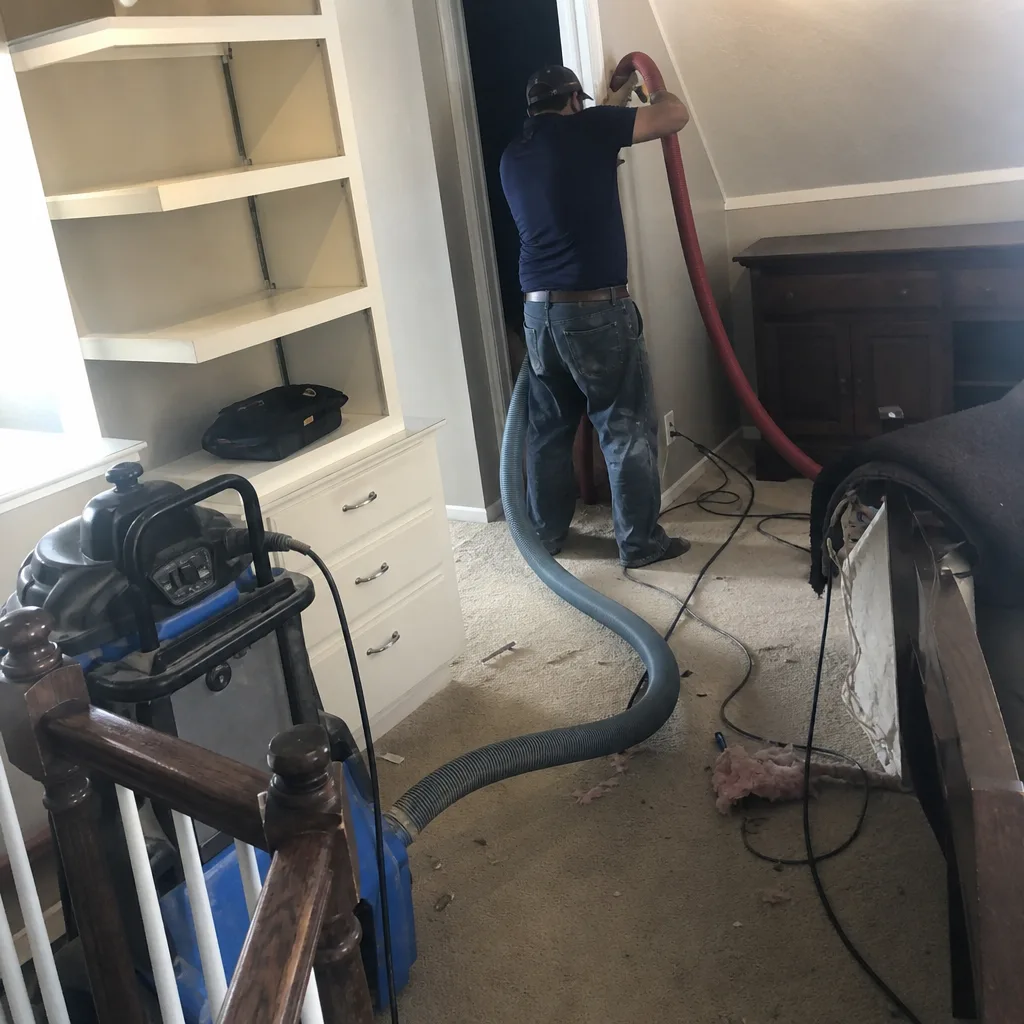 Before
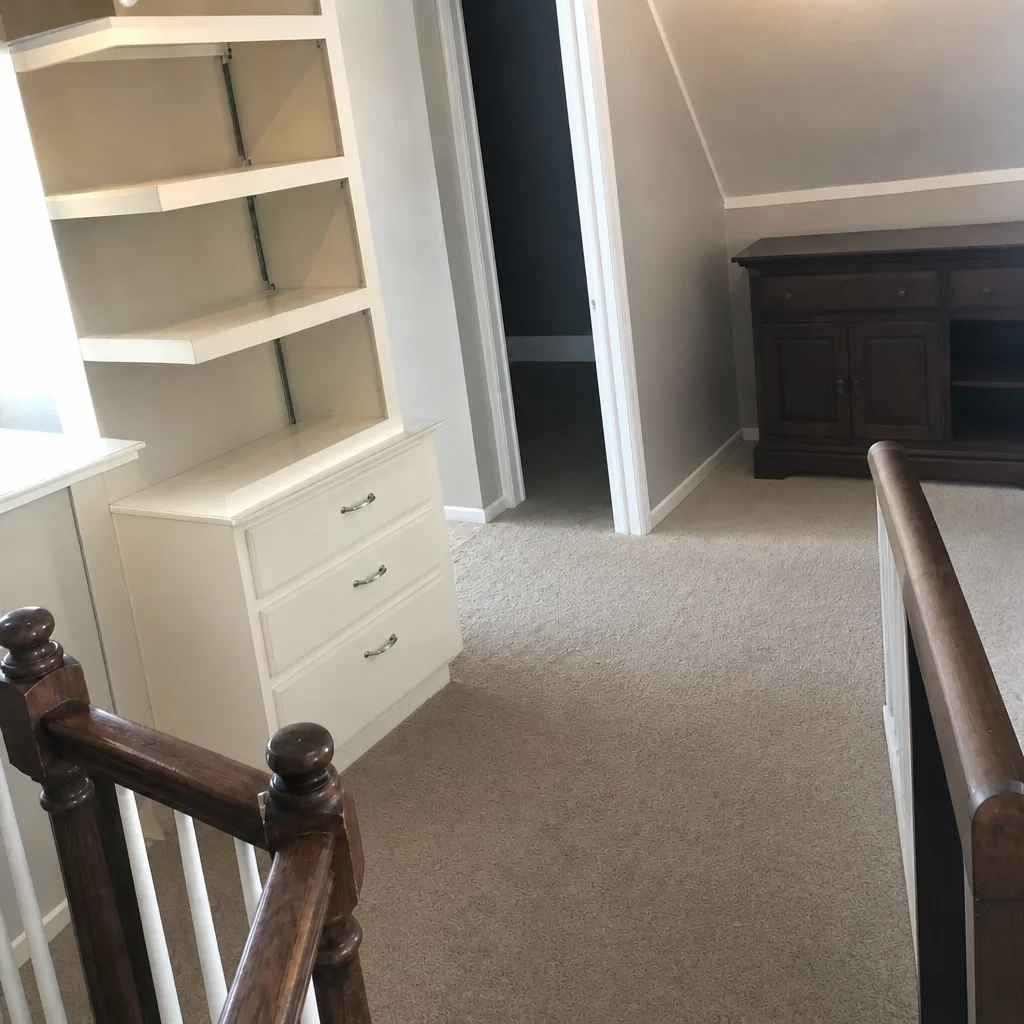 After
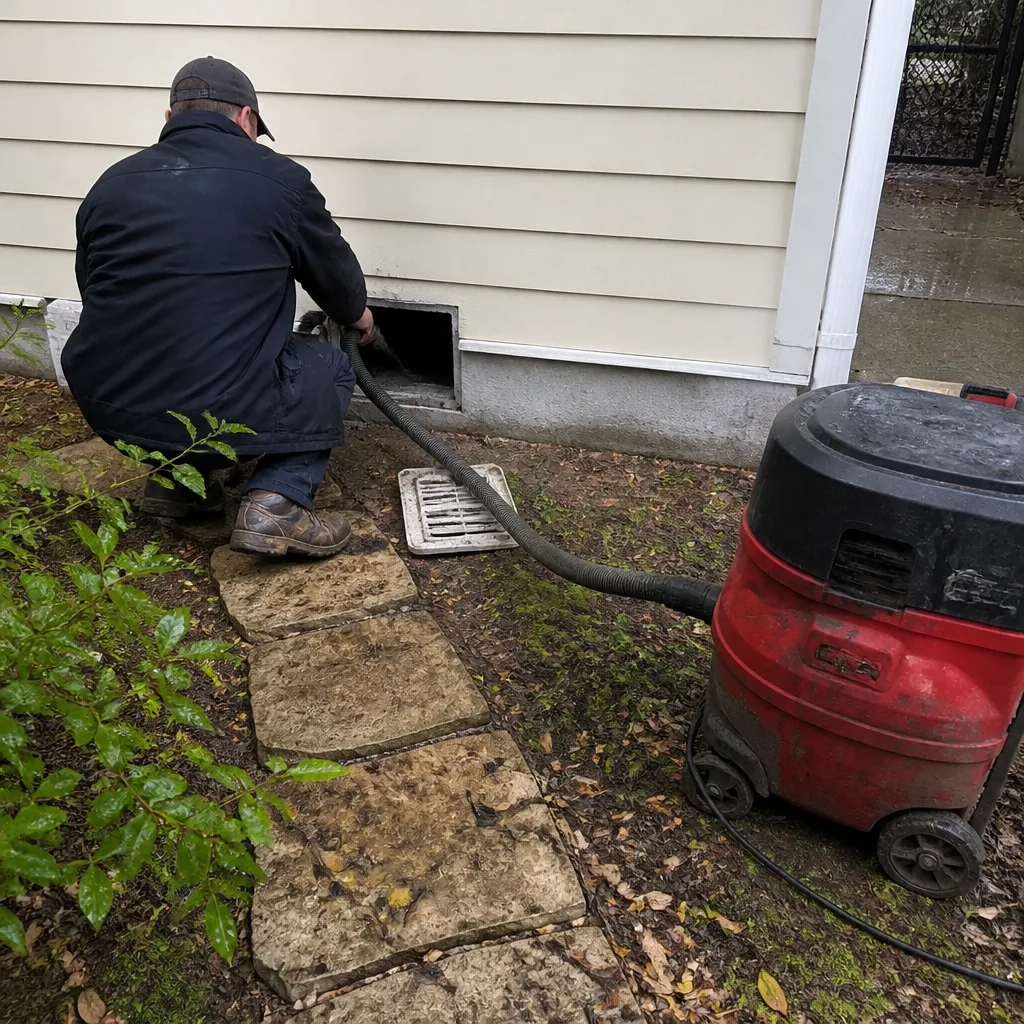 Before
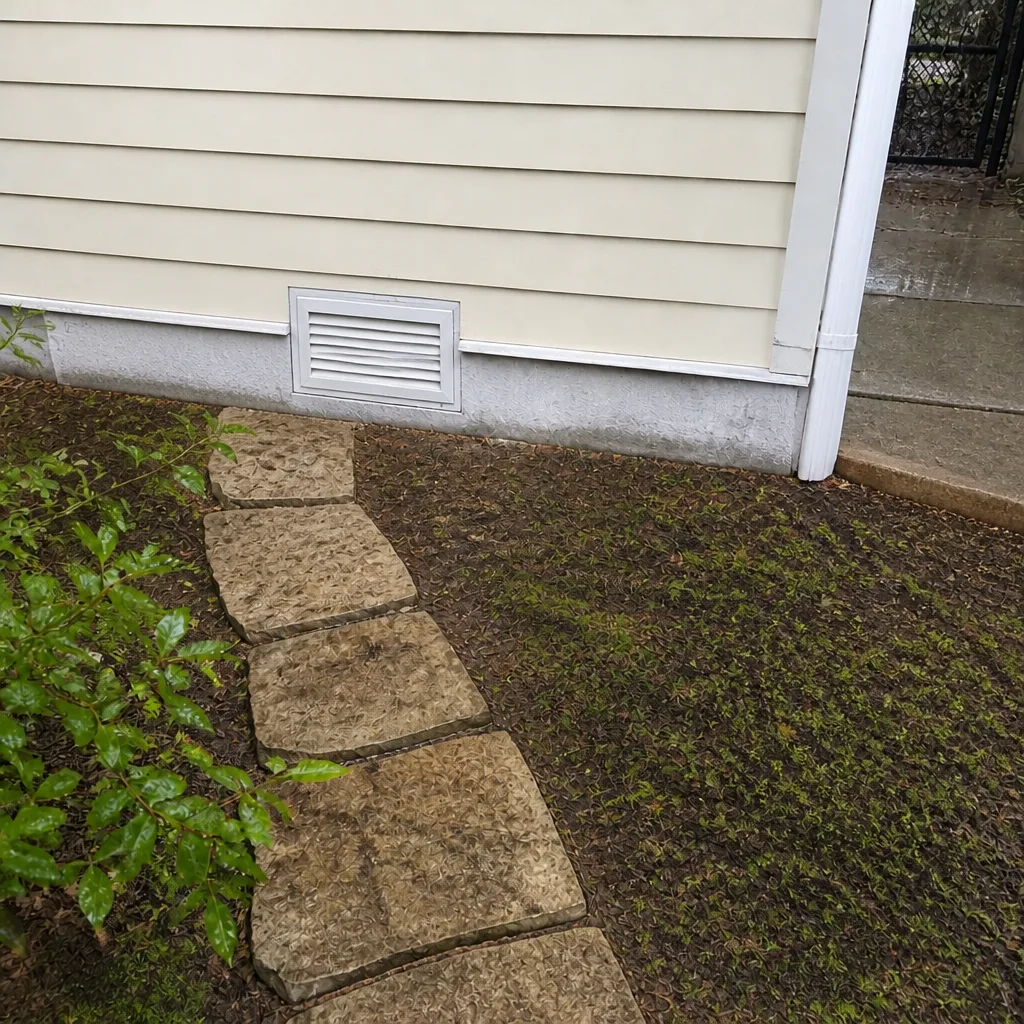 After
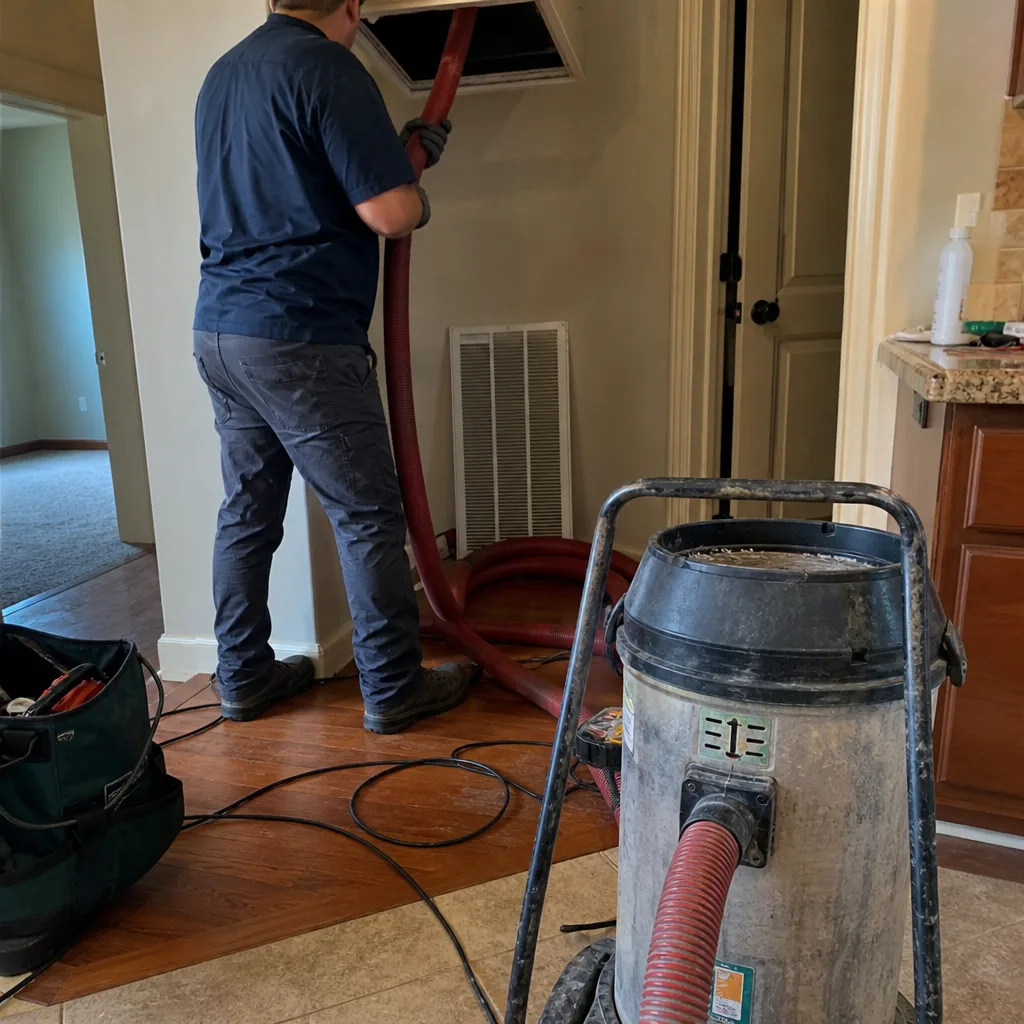 Before
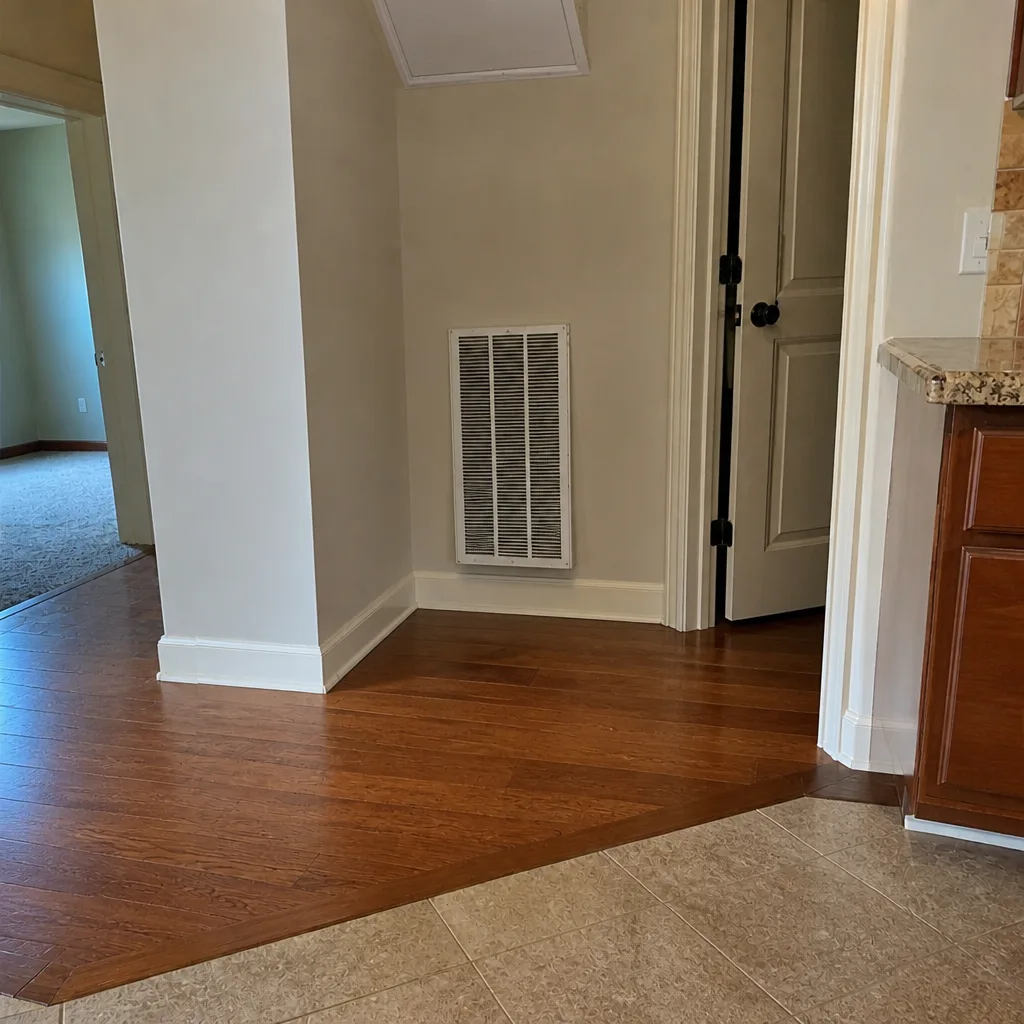 After
When to Call a Professional
Call a professional for any of these: a generator, kerosene heater, or camp stove ran indoors during a power failure; pipes burst during a freeze and any register was near the water; a flood event touched a floor register or return; a wildfire smoke event left a smell in the house that persists after the regional air quality clears; visible mold appears at a register; or the dryer vent has restricted airflow. Do not run the HVAC system in any of these scenarios until the ductwork has been inspected. In our experience, the homes that come out of these events with the least duct damage are the ones where the homeowner called for inspection before the system restarted.
Duct Cleaning Georgetown offers free estimates in Georgetown, and the estimate is written per system with a flat price agreed before work starts. Our technicians have up to experience on post-event duct work. We schedule Georgetown homes for inspections and cleaning throughout the week, and we do not run the truck without a scope in hand. Call (844) 560-6431. We answer 24/7. Fast dispatch from 7am to 7pm, Sunday through Friday.
Frequently Asked Questions
For a flood event or any water intrusion into ductwork, get an inspection within 48 hours, and no later than 72. That’s the window before mold can establish on wet interior surfaces. For a combustion event, the inspection should happen before you restart the HVAC system, and that is usually the same day or the day after power returns. For wildfire smoke exposure, the inspection can wait until the regional event clears, but the smell test is the cue: if the house still smells like smoke a week after the smoke clears, the ductwork needs attention. Call (844) 560-6431 for a free estimate. We answer 24/7. Fast dispatch from 7am to 7pm, Sunday through Friday.
No. The blower will distribute the combustion particulate that settled in the return and the air handler into every room the system serves. Get the blower cabinet, the filter, and the supply registers checked first. If the filter is gray or the blower wheel has a coating, the system has to be cleaned before it runs. Call (844) 560-6431 and tell us what event you had; the estimate is written per system and the price is set before work starts.
Yes, when the cleaning includes surface removal and not just a vacuum pass. Smoke particulate deposits on the interior surface of the duct, and removing the surface is what removes the smell source. That’s the reason we run a rotary brush and contained high-volume extraction on every duct cleaning. If the system has a Honeywell or Aprilaire air cleaner integrated, we assess and clean that component too. Call (844) 560-6431 for an estimate.
Coverage depends on your policy and whether the contamination is a direct result of a covered event. Storm-driven water intrusion, a burst pipe, and certain smoke losses are commonly covered; routine duct cleaning generally is not. The deciding factor is documentation: photos of the source, photos of each register before cleaning, and a written scope that names the event. Our reports are written in those terms. Call (844) 560-6431 to schedule the inspection and get an event-specific written scope for your adjuster.
Clean it if the ductwork was wet for less than 48 hours and the interior surface is intact. Replace it if water stayed in the duct past 72 hours, if the run is flex duct that was fully submerged, or if visible mold is present. The evaluation is a visual inspection of each run and the air handler cabinet, and it’s done before any cleaning. Call (844) 560-6431 to book the inspection.
Low quotes usually mean the crew is bringing portable shop vacuums and no negative-air containment, or they’re quoting a per-vent price that leaves the main trunk line and the return untouched. Post-event cleaning needs rotary-brush agitation, contained extraction, and negative-pressure containment during the work; without all three, debris gets pushed back into the living space. We price per system, not per vent, with one flat price agreed before work starts and before-and-after photos of your own ductwork. Call (844) 560-6431 for a free estimate.
The Bottom Line
Every major emergency in Georgetown leaves a question about the ductwork: did this event put particulate, smoke, or moisture into the system, and if so, is the answer cleaning or replacement? The protocol is the same for each event type. Inspect before the system runs. Document the conditions before service. Match the treatment to the contamination: combustion cleaning, moisture assessment, smoke removal, or replacement. Use equipment with rotary agitation, contained extraction, and negative-air containment. And check the dryer vent while you’re at it, because it’s a fire-risk item, not a footnote. The estimate is free, the price is set per system in writing, and the before-and-after photos are yours. That’s how the three services fit together under one provider.
Call (844) 560-6431 for a free estimate. We answer 24/7. Fast dispatch from 7am to 7pm, Sunday through Friday.
Written by the team at Duct Cleaning Georgetown.